

Grundinformationen
- Standard-SMILES
CCCC[N+](CCCC)(CCCC)CCCC.O=S(=O)([O-])O- InChIKey
SHFJWMWCIHQNCP-UHFFFAOYSA-M- Summenformel
- C16H36N.HO4S
- Durchschnittliche Molmasse
- 339,5 g/mol
Namen und Bezeichner
- Bevorzugter Name
- Tetrabutylammonium hydrogen sulfate
- IUPAC
- hydrogen sulfate;tetrabutylazanium
- Lokaler Name
- Tetrabutylammoniumhydrogensulfat
- Englischer Name
- Tetrabutylammonium hydrogen sulfate
- Summenformel
- C16H37NO4S
- Molmasse
- 339.53
Namen und Synonyme
32503-27-8Tetrabutylammonium hydrogen sulfateTetrabutylammonium hydrogen sulphate1-Butanaminium, N,N,N-tributyl-, sulfate (1:1)RefChem:896764251-068-5Tetrabutylammonium hydrogensulfatetetra-n-Butylammonium hydrogen sulfateTetrabutylammonium bisulfateTetrabutylammonium sulfate (1:1)tetrabutylazanium hydrogen sulfatetetrabutyl ammonium hydrogen sulfate
Weitere Namen anzeigen
TBAHSBu4NHSO4IPC-TBA-HSammonium hydrogTETRA-N-BUTYLAMMONIUM HYDROGENSULFATETETRA-N-BUTYLAMMONIUM HYDROGEN SULPHATETetrabutylaminium·sulfuric acid hydrogenanion
Tetrabutyl-ammonium hydrogen sulfatetetrabutylammonium hydrosulfatehydrogen sulfate,tetrabutylazaniumhydrogen sulfate;tetrabutylazaniumtetrabutyl-ammonium hydrogensulfateMFCD00011637TETRABUTYLAMMONIUMHYDROGENSULFATETetrabutylammonium (hydrogensulfate)
Datenbank-Bezeichner
- CAS
32503-27-8- PubChem CID
- 94433
- DTXSID
DTXSID4067690- ChEMBL
CHEMBL1079247- UNII
- KCU8DU7VEL
- EC Number
- 251-068-5
Eigenschaften
Berechnete Struktureigenschaften
- Polarare Oberfläche (TPSA)
- 85,8 Ų
- H-Brücken-Donoren
- 1
- H-Brücken-Akzeptoren
- 4
- Frei drehbare Bindungen
- 12
- Schwere Atome
- 22
- Formalladung
- 0
- Komplexität
- 192
Experimentelle und physikochemische Eigenschaften
Chemical ClassesNitrogen Compounds -> Quaternary Amines
Physical DescriptionWhite crystalline powder; Hygroscopic; [Alfa Aesar MSDS]
Physikochemische Eigenschaften
- Schmelzpunkt
- 171 · 171-174 °C
- Siedepunkt
- 213.3 · 213.3-593.92℃[at 101 325 Pa]
- Dichte
- 1.01 · 1.01
- Dampfdruck
- 0 Pa · 0Pa at 25℃
- storage temp.
- 30 °C · Store below +30°C.
- Löslichkeit
- 2 O: · H2O: soluble10% (w/v), clear, colorless
- Aggregatzustand
- Solution
- Farbe
- White to beige
- Wichte
- 1.01 · 1.01
- Geruch (Odor)
- Amine like
- PH
- 1 · 1-2 (100g/l, H2O, 20℃)
- Wasserlöslichkeit
- Soluble
- BRN
- 3599663 · 3599663
- Stabilität
- Stable, but moisture sensitive. Incompatible with strong oxidizing agents.
- InChI
- 1S/C16H36N.H2O4S/c1-5-9-13-17(14-10-6-2,15-11-7-3)16-12-8-4;1-5(2,3)4/h5-16H2,1-4H3;(H2,1,2,3,4)/q+1;/p-1
- InChIKey
- SHFJWMWCIHQNCP-UHFFFAOYSA-M
- SMILES
- OS([O-])(=O)=O.CCCC[N+](CCCC)(CCCC)CCCC
- LogP
- 0.96 at · 0.96 at 25℃
- CAS Datenbank
- 32503 · 32503-27-8(CAS DataBase Reference)
- NIST chemische Informationen
- Tetrabutylammonium hydrogen sulfate(32503-27-8)
- EPA chemische Informationen
- Tetrabutylammonium sulfate (1:1) (32503-27-8)
Sicherheit und Regulatorisches
GHS-Klassifizierung
GHS Classification
This chemical does not meet GHS hazard criteria for 0.4% (1 of 231) of reports.
Danger
H302 (90.9%): Harmful if swallowed [Warning Acute toxicity, oral]
P260, P261, P264, P264+P265, P270, P271, P273, P280, P301+P317, P301+P330+P331, P302+P352, P302+P361+P354, P304+P340, P305+P351+P338, P305+P354+P338, P316, P317, P319, P321, P330, P332+P317, P337+P317, P362+P364, P363, P403+P233, P405, and P501 (click each P-code to see the statement)
Aggregated GHS information provided per 231 reports by companies from 28 notifications to the ECHA C&L Inventory. Each notification may be associated with multiple companies.
Gefahrenhinweise
Regulatory Information
Chemical: 1-Butanaminium, N,N,N-tributyl-, sulfate (1:1)
Status: Active Update: 06-08-2018 https://echa.europa.eu/registration-dossier/-/registered-dossier/18908
Tetrabutylammonium hydrogen sulphate: Does not have an individual approval but may be used under an appropriate group standard
Hazards SummaryA skin and strong eye irritant; Toxic by ingestion; [Alfa Aesar MSDS]
Hazard Classes and CategoriesAcute Tox. 4 (90.9%)
Sicherheitsdaten
- F
- 8-10
- wgk
- 3
- tsca
- TSCA listed
- hs_code
- 29239000
- risk_code
- 36/37/38-22
- hazard_code
- Xn,Xi
- hazard_note
- Irritant
- safety_code
- 26-36-37/39
- Speicherklasse
- 8A - Combustible corrosive hazardous materials
- Hazard Classifications
- Acute Tox. 4 OralAquatic Chronic 3Eye Dam. 1Skin Corr. 1
Chemie und Industrie
Pharmakologische Informationen
MeSH Pharmacological Classification
Purifying or cleansing agents, usually salts of long-chain aliphatic bases or acids, that exert cleansing (oil-dissolving) and antimicrobial effects through a surface action that depends on possessing both hydrophilic and hydrophobic properties.
Verwendung und Herstellung
General Manufacturing Information1-Butanaminium, N,N,N-tributyl-, sulfate (1:1): ACTIVE
Anwendungen
VerwendenA compound that displays antibacterial properties due to the presence of the quaternary amine and the counter ion. Tetrabutylammonium hydrogen sulfate is an ion pairing reagent that is used in liquid chromatography. It is frequently utilized in the analysis of pharmaceutical compounds and metabolites.
Darstellung
synthetischeTetrabutylammonium hydrogen sulfate can be prepared from tetrabutylammonium azide by treating it with potassium hydrogen sulfate and 10% aqueous sulfuric acid in aqueous medium or from tetrabutylammonium thiocyanate by treating it with relatively concentrated sulfuric acid (70%) at 75 °C.
Vor- und nachgelagerte Produkte
Vorgelagerte Rohstoffe
Nachgelagerte Produkte
Anbieter50 Anbieter
国药集团化学试剂有限公司86-21-63210123 · [email protected]
梯希爱(上海)化成工业发展有限公司021-67121386 · [email protected]
上海阿拉丁生化科技股份有限公司400-6206333 13167063860 · [email protected]
INTATRADE GmbH+49 3493/605464 · [email protected]
爱斯特(成都)生物制药股份有限公司+86-28-85122536 85324413 · [email protected]
南京兰亚化工贸易有限公司+86-25-8331-5620 · [email protected]
韶远科技(上海)有限公司021-50795510 4000665055 · [email protected]
科瑞迪化学400-821-5857 021-64326257 · [email protected]
Syntechem Co.,Ltd[email protected]
上海迈瑞尔生化科技有限公司4006356688 18621169109 · [email protected]
武汉易泰科技有限公司上海分公司18930552037 · [email protected]
阿法埃莎(中国)化学有限公司400-6106006 · [email protected]
太原市瑞和丰科贸有限公司+86 351 7031519 · [email protected]
上海德默医药科技有限公司400-021-7337 2355568890 · [email protected]
安耐吉化学&3A(安徽泽升科技股份有限公司)400-0056266 · [email protected]
石家庄斯迪亚诺精细化工有限公司0311-89250318 13582355795 · [email protected]
上海柏卡化学技术有限公司400-026-1533/(021) 6478-0600 · [email protected]
上海瀚鸿科技股份有限公司021-54306202 13764082696 · [email protected]
上海景颜化工科技有限公司13817811078 · [email protected]
嘉兴市艾森化工有限公司0573-85285100 18627885956 · [email protected]
Pure Chemistry Scientific Inc.001-857-928-2050 or 1-888-588-9418 · [email protected]
上海隆盛化工有限公司58099637 13585536065 · [email protected]
上海长根化学科技有限公司021-69106814 13917161715
孝感深远化工有限公司15527621225; 15527621225 · [email protected]
山东西亚化学有限公司13355009207 13355009207 · [email protected]
唐山默内德贸易有限公司0315-8309571 15633399667 · [email protected]
玛雅试剂+86 (573) 82222445 (0)18006601000 452520369 · [email protected]
四川库利南科技有限公司400-1166-196 18981987031 · [email protected]
天津希恩思生化科技有限公司400 638 7771 · [email protected]
湖南汇百侍生物科技有限公司0731-85526065 13308475853 · [email protected]
南京维奥化工有限公司Please Send Email 18652950785 · [email protected]
Connect Chemicals GmbH+49 2102 2077 19 · [email protected]
河南多贝化工有限公司0370-2785118 17550508557 · [email protected]
斯百全化学(上海)有限公司021-021-021-67601398-809-809-809 15221380277 · [email protected]
上海源叶生物科技有限公司13636370518 · [email protected]
艾科试剂4008-755-333 18080918076 · [email protected]
上海思域化工科技有限公司86-21-34053660 · [email protected]
赛默飞世尔科技(中国)有限公司800-810-5118 · [email protected]
北京伊诺凯科技有限公司400-810-7969 010-59572699 · [email protected]
上海遐瑞医药科技有限公司+86 21 61551611
江苏艾康生物医药研发有限公司025-66113011 13913916777 · [email protected]
上海健超生物科技有限公司150-2103-5486 18017383231 · [email protected]
TCI AMERICA800-4238616 · [email protected]
TOKYO CHEMICAL INDUSTRY CO., LTD.03-36680489 · [email protected]
TCI Europe320-37350700 · [email protected]
上海贤鼎生物科技有限公司4009209199 · [email protected]
深圳振强药物研发有限公司0755-66853366 13670046396 · [email protected]
深圳康特腾科技有限公司86-0755-86635001 · [email protected]
越林试剂021-62960152 · [email protected]
苏州安尼康药物研发有限公司0512-69369885 · [email protected]
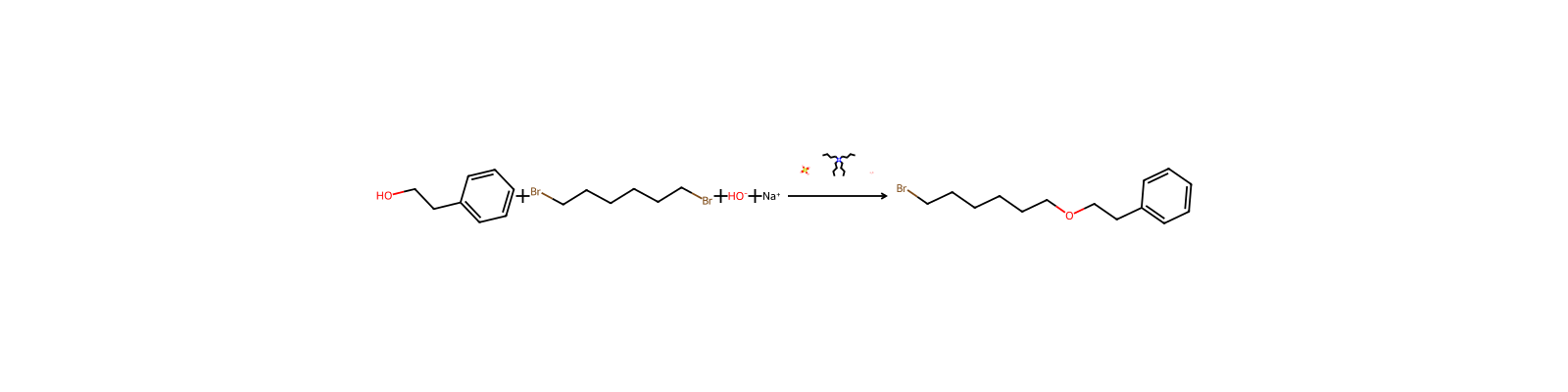
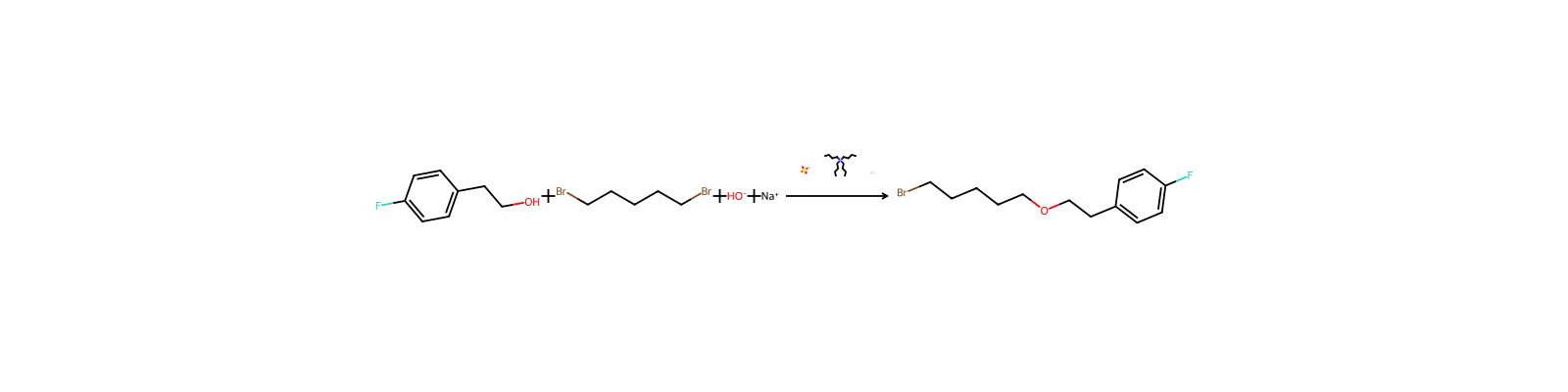
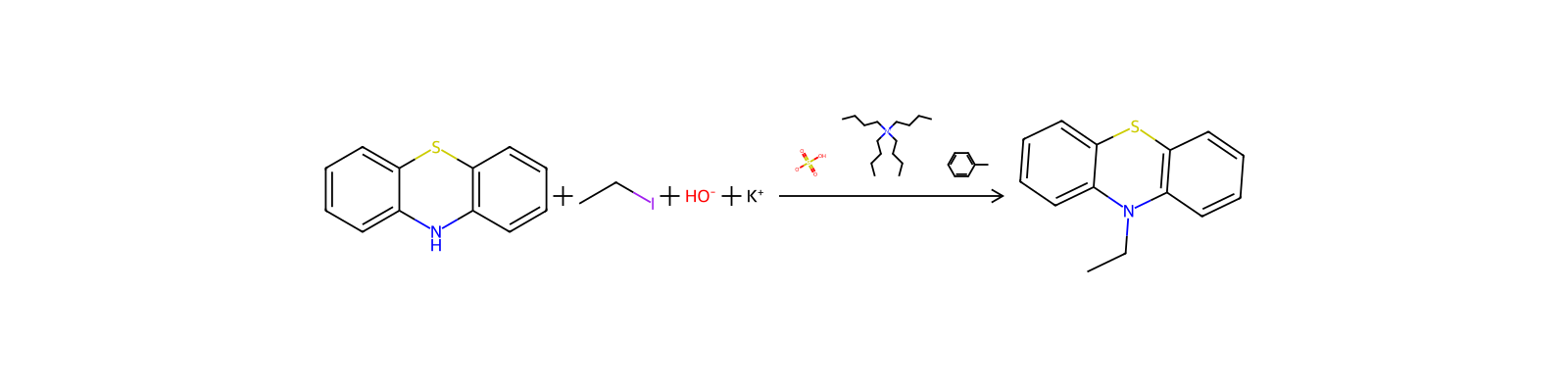
Zugehörige Reaktionen
1.326




Verknüpfte Notizen
Wird geladen…