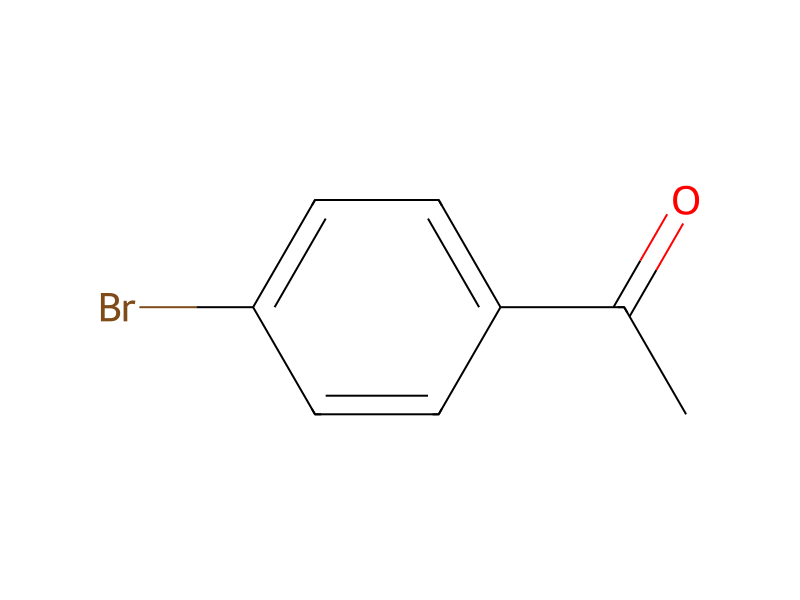
In a 500 ml flask, 23 g(0.1 mol) of ethyl benzylphosphonate, 20 g (0.1 mol) of 4-bromoacetophenone and 200 ml of dimethyl sulfoxide were placed and cooled at 0° C. with ice water. Then, 13.4 g (0.12 mol) of potassium t-butoxide was slowly added and the resultant mixture was kept being stirred at the room temperature for one night. After the reaction was completed, the reaction solution was poured into 500 ml of water and the organic layer was treated by extraction with ethyl acetate. After drying with magnesium sulfate, the organic layer was concentrated in vacuo using a rotary evaporator. The obtained product were purified in accordance with the column chromatography (silica gel; the developing solvent: hexane) and 26 g (the yield: 88%) of 3-bromo-α-methylstilbene as the object compound was obtained.