StartseiteMCPSkillsWorkbenchOpenChem
StartseiteWorkbenchBenachrichtigungenMein Bereich
llms.txt · skill.md · MCP-AnleitungDatenschutz · Nutzungsbedingungen · Supportv1.8.4
  1. Startseite
  2. /Reaktion

Hydrochloric Acid → 3-(Naphth-2-yl)acrylic acid

HRID 1019102
Drucken

Reaktionsgleichung

[CH:1]1[C:10]2[C:5](=[CH:6][CH:7]=[CH:8][CH:9]=2)[CH:4]=[CH:3][C:2]=1/[CH:11]=[CH:12]/[C:13]([O:15]CC)=[O:14].O1CCCC1.O.[OH-].[Li+].Cl>O>[CH:1]1[C:10]2[C:5](=[CH:6][CH:7]=[CH:8][CH:9]=2)[CH:4]=[CH:3][C:2]=1/[CH:11]=[CH:12]/[C:13]([OH:15])=[O:14]
KomponentenVersuchsvorschriftAufarbeitungQuellen und NachweiseNotizen zur Reaktion

Komponenten

6

Edukt 4

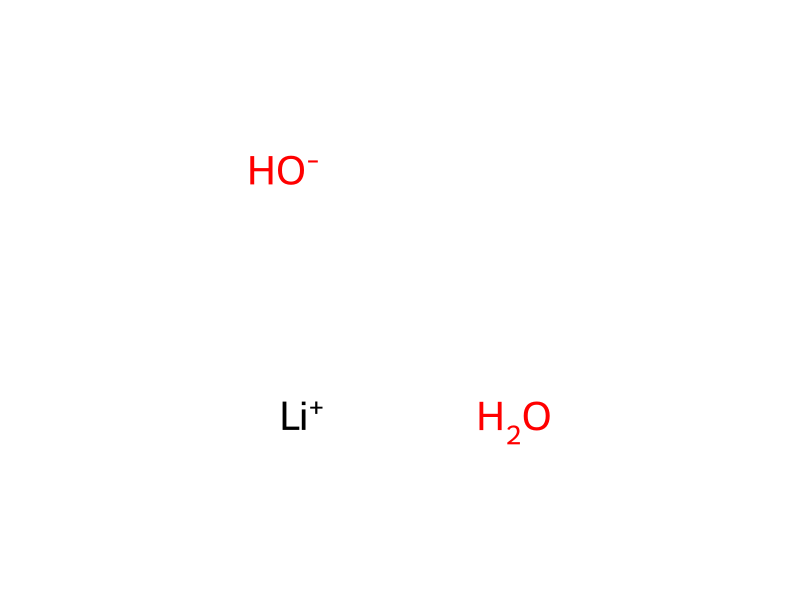
HCID 313Hydrochloric AcidHCID 8028TetrahydrofuranHCID 168937Lithium hydroxide, monohydrateHCID 61144212-Naphthaleneacrylic acid ethyl ester

Produkt 1

HCID 7358353-(Naphth-2-yl)acrylic acidAusbeute 98,2 %

Reagenzien, Katalysatoren, Lösungsmittel 1

HCID 962
Water
Lösungsmittel

Versuchsvorschrift

Combine ethyl trans-3-(naphth-2-yl)-propenoate (4.24 g, 18.8 mmol) and tetrahydrofuran (75 mL). Add lithium hydroxide hydrate (2.36 g, 56.3 mmol) in water (19 mL). After 18 hours, acidified to a pH of about 2 with aqueous 12 M hydrochloric acid solution to give a precipitate. Extract with ethyl acetate (3×150 mL). Dry the combined extracts over MgSO4, filter, and concentrated in vacuo to give trans-3-(naphth-2-yl)-propenoic acid as a white solid (3.66 g, 98% yield). NMR (CDCl3) δ 7.97 (d, 1H, J=15.7 Hz); 7.90 (d, 1H, J=15.3 Hz); 7.90-7.83 (c, 3H); 7.70 (dd, 1H, J=1.6, 8.6 Hz); 7.57-7.50 (c, 2H); 6.58 (d, 1H, J=16.0 Hz).

Aufarbeitung

  1. customto give a precipitate
  2. extractionExtract with ethyl acetate (3×150 mL)
  3. dry with materialDry the combined extracts over MgSO4
  4. filtrationfilter
  5. concentrationconcentrated in vacuo

Quellen und Nachweise

ORD-Eintrag
ord-90c65c424d7f42eda7bb9f0a06724f6c
Quelldatensatz
uspto-grants-2002_11
DOI
10.6084/m9.figshare.5104873.v1
Patentnummer
US06486193B2

Notizen zur Reaktion

Auf dieser SeiteKomponentenVersuchsvorschriftAufarbeitungQuellen und NachweiseNotizen zur Reaktion