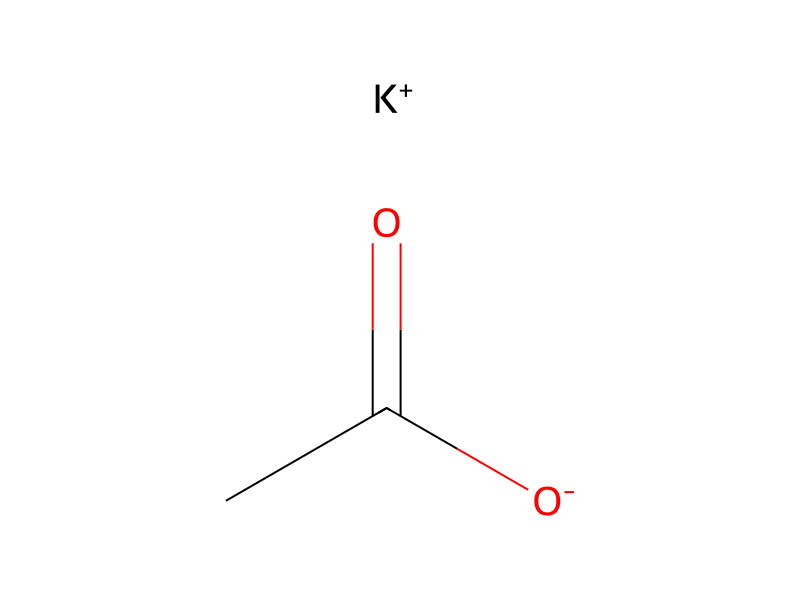
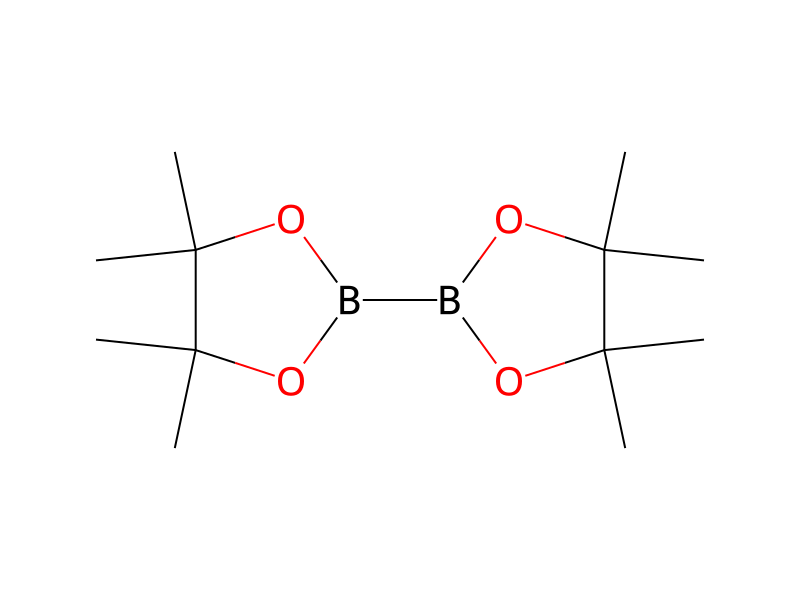
Br[C:2]1[CH:3]=[N:4][C:5]([N:8]2[CH2:13][CH2:12][O:11][CH2:10][CH2:9]2)=[N:6][CH:7]=1.CC1(C)C(C)(C)OB(B2OC(C)(C)C(C)(C)O2)[O:16]1.C([O-])(=O)C.[K+].O1CCOCC1>Cl[Pd](Cl)([P](C1C=CC=CC=1)(C1C=CC=CC=1)C1C=CC=CC=1)[P](C1C=CC=CC=1)(C1C=CC=CC=1)C1C=CC=CC=1.CCOC(C)=O.O>[N:8]1([C:5]2[N:4]=[CH:3][C:2]([OH:16])=[CH:7][N:6]=2)[CH2:13][CH2:12][O:11][CH2:10][CH2:9]1A mixture of 4-(5-bromopyrimidin-2-yl)morpholine (2 g), 4,4,4′,4′,5,5,5′,5′-octamethyl-2,2′-bi-1,3,2-dioxaborolane (2.5 g), bis(triphenylphosphine)palladium chloride (180 mg), potassium acetate (2.5 g), and dioxane (20 ml) was stirred at 80° C. overnight under argon atmosphere. Water and EtOAc were added to the reaction mixture, and the organic layer was dried over MgSO4 and concentrated under reduced pressure. The obtained residue was mixed with THF (10 ml) and water (10 ml), and sodium perborate.tetrahydrate (3.5 g) was added thereto, followed by stirring at room temperature overnight. Then, a saturated aqueous ammonium chloride solution was added thereto. The aqueous layer was extracted with EtOAc, and the organic layer was dried over MgSO4 and concentrated under reduced pressure. The obtained residue was purified by silica gel column chromatography (hexane/EtOAc) to obtain 2-(morpholin-4-yl)pyrimidin-5-ol (610 mg).