Reaktionsgleichung

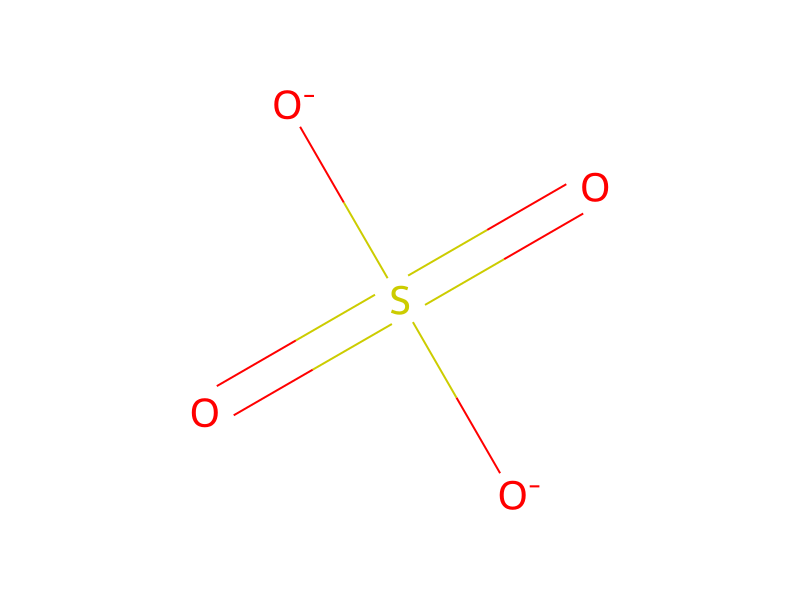
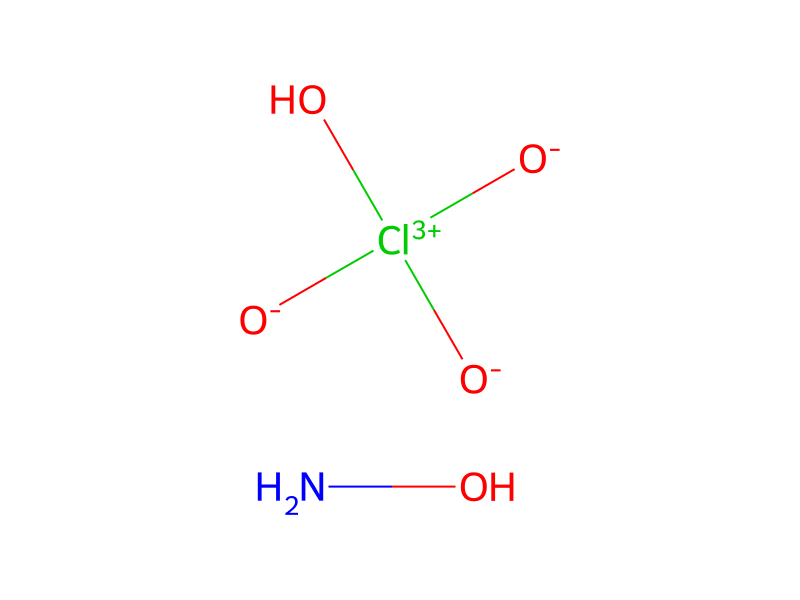
[S:1]([OH:5])([OH:4])(=[O:3])=[O:2].[NH2:6][OH:7].[Na].[Ca].[N+:10]([O-:13])([O-:12])=[O:11].[Ba+2].[N+:15]([O-])([O-])=[O:16].[Cl:19]([O-:23])(=[O:22])(=[O:21])=[O:20]>>[S:1]([O-:5])([O-:4])(=[O:3])=[O:2].[N+:10]([O-:13])([OH:12])=[O:11].[NH2:15][OH:16].[Cl:19]([OH:23])(=[O:22])(=[O:21])=[O:20].[NH2:6][OH:7]Komponenten
8





Versuchsvorschrift
In the aqueous precipitation process a saturated aqueous solution of hydroxylamine sulfate is combined with a saturated aqueous solution of sodium, calcium or barium nitrate or perchlorate. These reactions result in the formation of a very difficult-to-filter sulfate precipitate and of an aqueous solution of either hydroxylamine nitrate (HAN) or hydroxylamine perchlorate (HAP). In the case of HAN the concentration is about 15%. Since most of the useful concentrations of these oxidizers are in the 50 to 85% range, water has to be removed by the costly process of distillation. Because the sulfate is difficult to precipitate, residual metal contaminants are present in high concentrations in the final product.
Quellen und Nachweise
- ORD-Eintrag
- ord-a3f0303009fd45cb832b440cbe7ffc91
- Quelldatensatz
- uspto-grants-1990_09
- Patentnummer
- US04956168
Verknüpfte Notizen
Wird geladen…