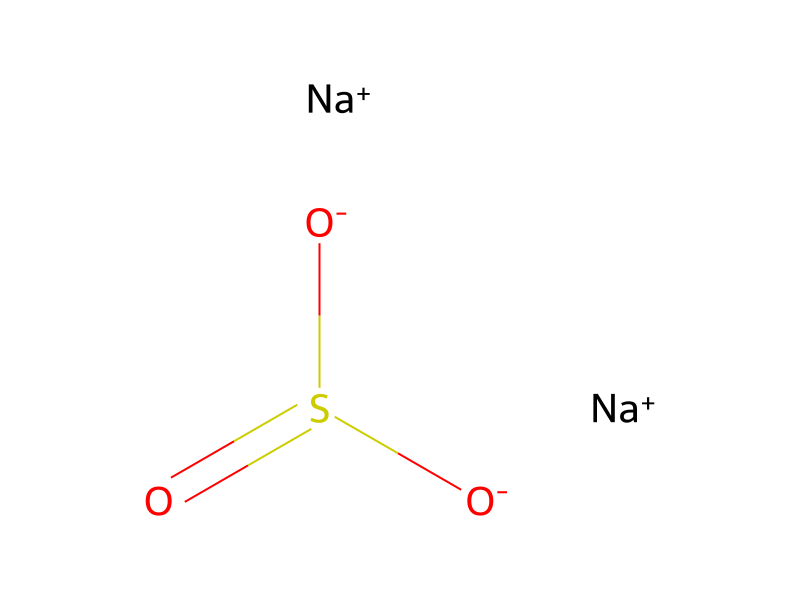
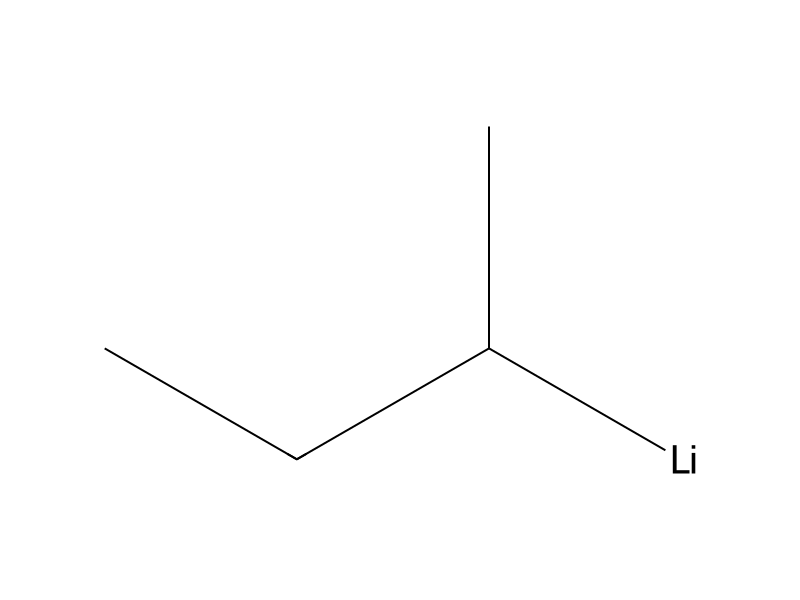
s-BuLi (59.3 mL, 71.2 mmol, 1.4M in cyclohexane) at −78° C. was added to 4-chloro-1-(tri isopropylsilyl)-1H-pyrrolo[2,3-b]pyridine (10.0 g, 32.4 mmol) in THF (100 mL), and the reaction was stirred at −78° C. for 30 minutes. I2 (20.5 g, 80.9 mmol) in THF (50 mL) was added, and the reaction was stirred at −78° C. for 20 minutes. A saturated ammonium chloride solution (50 mL) and a saturated sodium sulfite solution (50 mL) were added, and the mixture was extracted with hexanes (200 mL), washed with brine and dried over sodium sulfate. After removal of the solvent, the residue was dissolved in THF (50 mL), and TBAF (32.4 mL, 32.4 mmol) was added. The reaction was stirred at room temperature for 10 minutes, and then water (20 mL) and ethyl acetate (100 mL) were added. The organic layer was separated, washed with brine, and dried over sodium sulfate. After removal of the solvent, the residue was suspended in dichloromethane (“DCM”; 20 mL) and stirred for 10 minutes. The solid formed was collected by filtration to give 4-chloro-5-iodo-1H-pyrrolo[2,3-b]pyridine (6.6 g, 73% yield) as a solid.