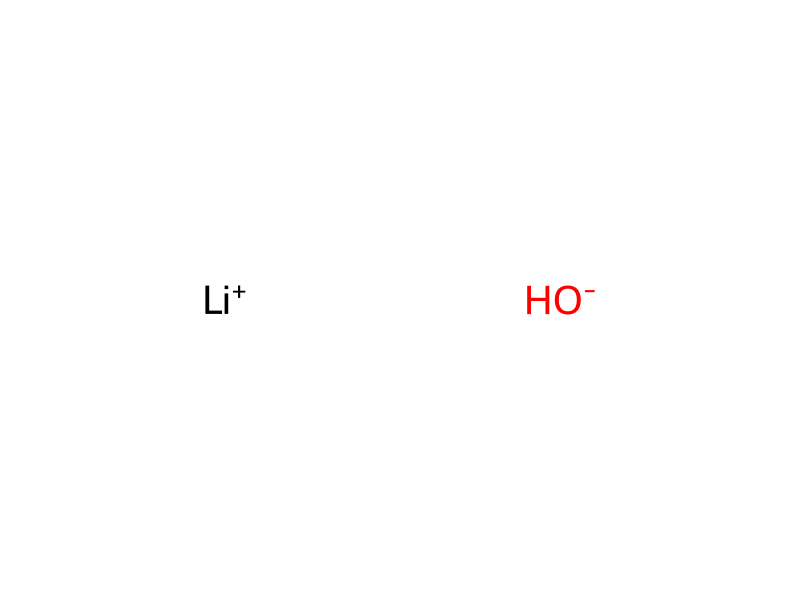
The mixture of (R)-4-(6-((4-tert-butylcyclohexyl)methyl)naphthalen-2-yl)-4-methyloxazolidin-2-one (18.6 mg, 0.0000490 mol) and lithium hydroxide (12.9 mg, 0.000539 mol) in ethanol (1 mL, 0.02 mol) and water (0.50 mL, 0.028 mol) was heated to reflux overnight. The solvent was removed under vacuum and the residue was partitioned between water/CH2Cl2. The aqueous was extensively extracted with CH2Cl2 and the combined organic phase was dried over Na2SO4. The concentrated residue was taken up into methylene chloride and subjected to chromatography with MeOH/CH2Cl2 (10:90 to 80:20) to give (R)-2-amino-2-(6-((4-tert-butylcyclohexyl)methyl)naphthalen-2-yl)propan-1-ol as a white solid (4.6 mg, 26%). LCMS: Rf=1.76 min 337.36 [M−NH2]+. 1H NMR (400 MHz, CHLOROFORM-d) δ=7.88 (s, 1H), 7.77 (d, J=8.0 Hz, 1H), 7.74 (d, J=7.0 Hz, 1H), 7.56 (s, 1H), 7.52 (dd, J=1.8, 8.7 Hz, 1H), 7.32 (d, J=8.3 Hz, 1H), 3.82-3.75 (m, 1H), 3.72-3.67 (m, 1H), 2.80 (d, J=8.0 Hz, 2H), 2.69 (br. s., 1H), 2.08 (br. s., 1H), 1.64 (d, J=12.9 Hz, 2H), 1.56 (br. s., 5H), 1.46 (tt, J=4.0, 13.0 Hz, 2H), 1.38-1.24 (m, 2H), 1.03 (tt, J=3.1, 11.9 Hz, 1H), 0.91 (s, 9H).