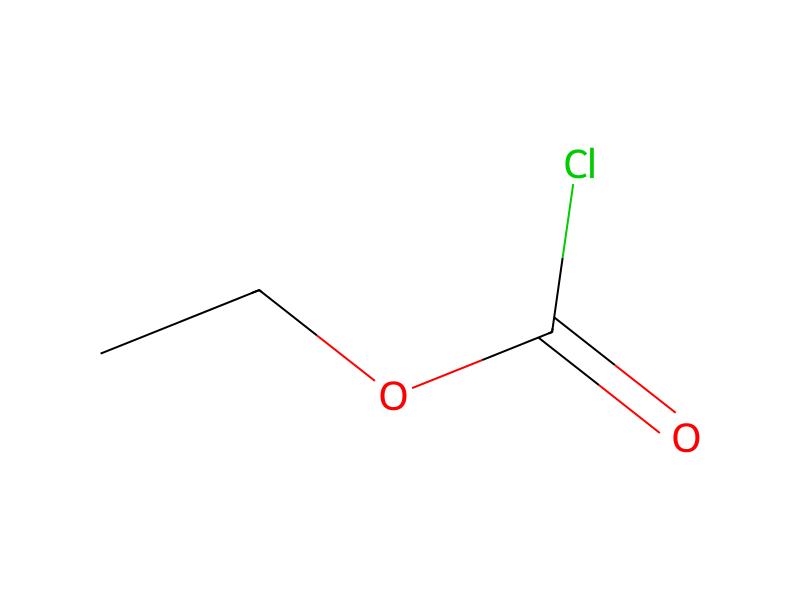
C(NC(C)C)(C)C.C([Li])CCC.[O:13]1[C:17]2([CH2:22][CH2:21][CH:20]([C:23]([O:25][CH2:26][CH3:27])=[O:24])[CH2:19][CH2:18]2)[O:16][CH2:15][CH2:14]1.Cl[C:29]([O:31][CH2:32][CH3:33])=[O:30]>O1CCCC1>[O:13]1[C:17]2([CH2:22][CH2:21][C:20]([C:29]([O:31][CH2:32][CH3:33])=[O:30])([C:23]([O:25][CH2:26][CH3:27])=[O:24])[CH2:19][CH2:18]2)[O:16][CH2:15][CH2:14]1A 500 mL round-bottomed flask was charged with diisopropylamine (16 mL) and tetrahydrofuran (311 mL). The solution was cooled to −78° C. under N2 and n-butyllithium (2.5 M in hexanes, 44.8 mL)) was added. The reaction was stirred for 30 minutes at −78° C. and ethyl 1,4-dioxaspiro[4.5]decane-8-carboxylate (20 g) was added as a tetrahydrofuran solution (ca. 10 mL). The mixture was stirred at −78° C. for 1 hour and ethyl chloroformate (9 mL) was added neat. After stirring at −78° C. for 10 minutes, the reaction was warmed to room temperature over 2 hours. The reaction was quenched with saturated aqueous NH4Cl and diluted with diethyl ether. The layers were separated, the aqueous layer was extracted with diethyl ether and the combined organics were dried (Na2SO4), filtered and concentrated by rotary evaporation. The residue was purified by regular phase flash column chromatography (Analogix, 0-65% hexanes/ethyl acetate).