StartseiteMCPWorkbenchSkills
StartseiteWorkbenchBenachrichtigungenMein Bereich
llms.txt · MCP-AnleitungDatenschutz · Nutzungsbedingungen · Supportv1.8.3
  1. Startseite
  2. /Reaktion

Bromide ion → E-7-Phenylhept-4-enoic acid

HRID 1060028
Drucken

Reaktionsgleichung

Reaktionsgleichung von HRID 1060028
C(=O)CCC1C=CC=CC=1.[Li].C(O[PH+]([CH2:19][C:20]([O:22]CC)=[O:21])OCC)C.[Br-].Br[CH2:27]/[CH:28]=[CH:29]/[CH2:30][CH2:31][C:32]1[CH:37]=[CH:36][CH:35]=[CH:34][CH:33]=1.C1(P(C2C=CC=CC=2)C2C=CC=CC=2)C=CC=CC=1.C(Br)(Br)(Br)Br.[Na].C(OCC)(=O)CC(OCC)=O>O1CCCC1.C(Cl)Cl>[C:32]1([CH2:31][CH2:30]/[CH:29]=[CH:28]/[CH2:27][CH2:19][C:20]([OH:22])=[O:21])[CH:37]=[CH:36][CH:35]=[CH:34][CH:33]=1
KomponentenVersuchsvorschriftAufarbeitungQuellen und NachweiseNotizen zur Reaktion

Komponenten

12

Edukt 9

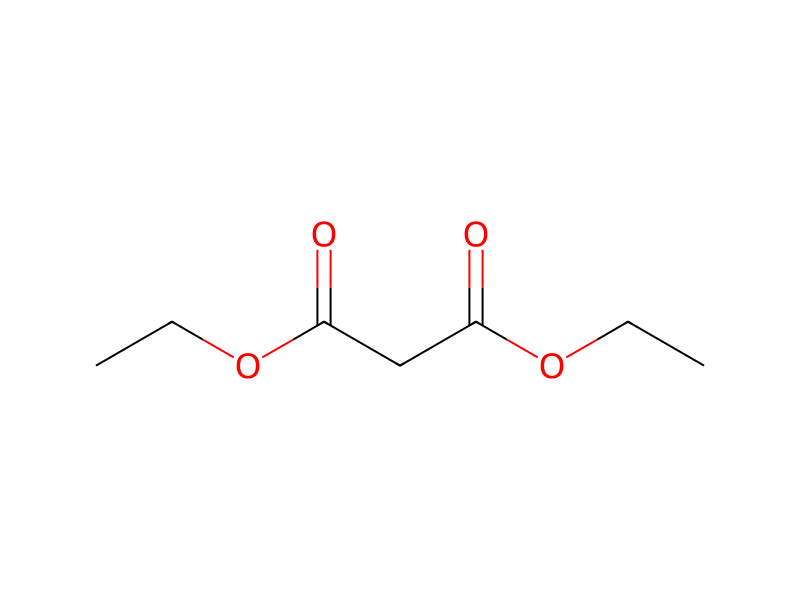
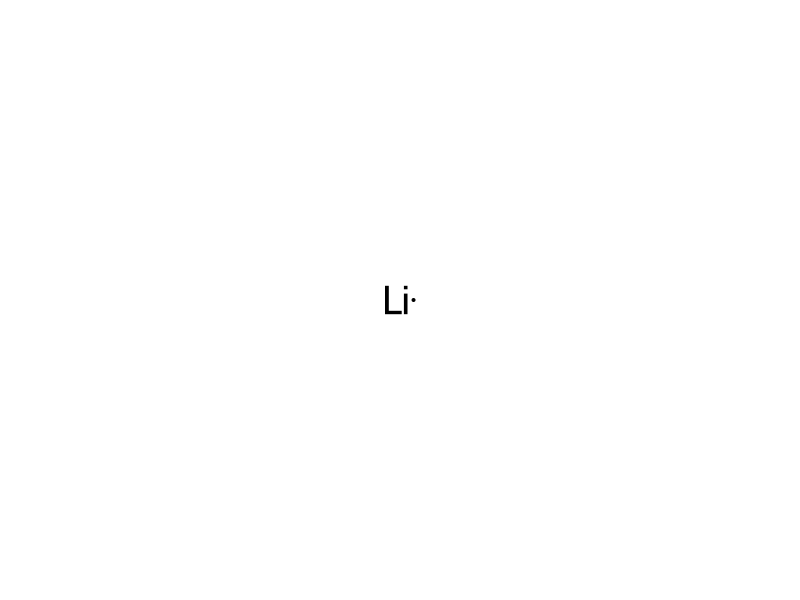
HCID 259Bromide ion2×HCID 7707Benzenepropanal2×HCID 7761Diethyl MalonateHCID 11205Carbon tetrabromideHCID 11776TriphenylphosphineHCID 3028194LithiumHCID 5360545Sodium
HCID 12056815
E-1-bromo-5-phenylpent-2-ene
HCID 22731479Ethyl diethoxyphosphonioacetate

Produkt 1

HCID 9899164E-7-Phenylhept-4-enoic acid

Reagenzien, Katalysatoren, Lösungsmittel 2

HCID 6344DichloromethaneLösungsmittelHCID 8028TetrahydrofuranLösungsmittel

Versuchsvorschrift

E-7-Phenylhept-4-enoic acid was prepared from commercially available dihydrocinnamaldehyde in five steps. Dihydrocinnamaldehyde was combined with the lithium salt of ethyl diethoxyphosphonioacetate in tetrahydrofuran at room temperature. The resulting unsaturated ester, ethyl 5-phenylpent-2-enoate, was purified by chromatography. The unsaturated ester was then reduced to the allylic alcohol, E-5-phenylpent-2-en-1-ol, by reaction with excess diisobutylaluminum hydride in tetrahydrofuran at −78° C. The purified alcohol was then converted to the bromide, E-1-bromo-5-phenylpent-2-ene, by reaction with triphenylphosphine and carbon tetrabromide in methylene chloride at 0° C. The purified bromide was then used to alkylate the sodium salt of diethyl malonate to provide the diester, methyl E-1-carbomethoxy-5-phenylhept-4-enoate. The diester was purified by chromatography and then subjected to saponification using methanolic sodium hydroxide. The diacid was purified by acid/base extraction and then used directly in the next step of the reaction sequence. Decarboxylation was effected by heating the neat diacid at 170° C. (under Ar) for 30 minutes. The product, E-7-phenylhept-4-enoic acid, was obtained in greater than 95% purity. Any residual diacid was removed by dissolving the acid in hexane and filtering. All compounds in the reaction sequence were fully characterized by spectral analysis (infrared and nuclear magnetic spectroscopy) and new compounds were analyzed by combustion analysis.

Aufarbeitung

  1. customThe resulting unsaturated ester, ethyl 5-phenylpent-2-enoate, was purified by chromatography
  2. customThe unsaturated ester was then reduced to the allylic alcohol, E-5-phenylpent-2-en-1-ol, by reaction with excess diisobutylaluminum hydride in tetrahydrofuran at −78° C

Quellen und Nachweise

ORD-Eintrag
ord-7d1946261aa044bdbf42747f408b0d30
Quelldatensatz
uspto-grants-2003_02
DOI
10.6084/m9.figshare.5104873.v1
Patentnummer
US06521664B1

Notizen zur Reaktion

Auf dieser SeiteKomponentenVersuchsvorschriftAufarbeitungQuellen und NachweiseNotizen zur Reaktion