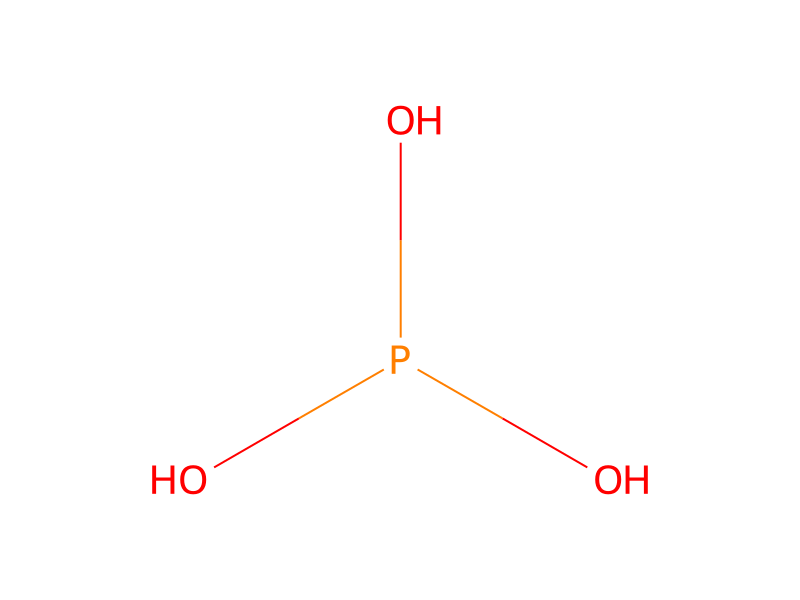
83.5 g (0.5 mol) of 4-nitrobenzoic acid, 33.0 g (0.55 mol) of urea and 0.5 g of phosphorous acid are heated in 250 ml of diisopropylnaphthalene with stirring at from 150° to 158° C. for 8 h. After cooling the batch to 25° C. the solid is filtered off with suction and washed with 50 ml of diisopropylnaphthalene. The filter cake is introduced into 250 ml of water, and the mixture is adjusted to a pH of 12 using aqueous sodium hydroxide solution and is stirred at 25° C. for 30 min. Subsequently the solid is filtered off with suction and dried at 100° C. 81.4 g of 4-nitrobenzamide are obtained having a melting point of from 191° to 194° C. This corresponds to a yield of 98% of theory.