

Grundinformationen
- Standard-SMILES
O=C(O)c1ccc([N+](=O)[O-])cc1- InChIKey
OTLNPYWUJOZPPA-UHFFFAOYSA-N- Summenformel
- C7H5NO4
- Durchschnittliche Molmasse
- 167,12 g/mol
- Monoisotopische Masse
- 167,02185764
Namen und Bezeichner
- Bevorzugter Name
- 4-Nitrobenzoic Acid
- IUPAC
- 4-nitrobenzoic acid
- Lokaler Name
- 4-Nitrobenzoesäure
- Englischer Name
- 4-Nitrobenzoic acid
- Summenformel
- C7H5NO4
- Molmasse
- 167.12
Namen und Synonyme
4-NITROBENZOIC ACIDp-Nitrobenzoic acid62-23-7Benzoic acid, 4-nitro-Nitrodracylic acid4-Nitrodracylic acid1-Carboxy-4-nitrobenzenep-Nitrobenzenecarboxylic acidBenzoic acid, p-nitro-p-Nitrodracylic acidDTXSID3020966para-nitrobenzoic acid
Weitere Namen anzeigen
PNBA4-Nitrobenzoicp-nitrobenzoicPARA-NITROBENZOATE-Nitrobenzoic AcidPARA NITRO-BENZOIC ACID19/KG
G83NWR61OWNSC-7707DTXCID90966CHEBI:262350RefChem:100048200-526-2Kyselina p-nitrobenzoovaMFCD00007352
Datenbank-Bezeichner
- CAS
62-23-7- PubChem CID
- 6108
- DTXSID
DTXSID3020966- ChEMBL
CHEMBL101263- ChEBI
CHEBI:262350- UNII
- G83NWR61OW
- EC Number
- 200-526-2
- Nikkaji
- J2.346I、J485.889A
Eigenschaften
Berechnete Struktureigenschaften
- XLogP
- 1,9
- Polarare Oberfläche (TPSA)
- 83,1 Ų
- H-Brücken-Donoren
- 1
- H-Brücken-Akzeptoren
- 4
- Frei drehbare Bindungen
- 1
- Schwere Atome
- 12
- Formalladung
- 0
- Komplexität
- 190
Experimentelle und physikochemische Eigenschaften
pHpH = 2.80
LogP
log Kow = 1.89
1.89
Density
1.55 at 90 °F (NTP, 1992) - Denser than water; will sink
1.5997
1.61 g/cm³
Color/Form
Monoclinic leaf from water crystallization
Monoclinic leaflets, plates from benzene crystallization
Colorless crystals
Yellow-white crystals
Solubility
less than 1 mg/mL at 79 °F (NTP, 1992)
SOL IN ALCOHOL, HOT WATER
Insoluble in cold water
One gram dissolves in 2380 mL water, 110 mL alcohol, 12 mL methanol, 150 mL chloroform, 45 mL ether, 20 mL acetone; slightly soluble in benzene, carbon disulfide; insol in petroleum ether.
In water, 200 mg/L at 25 °C
Solubility in water, g/100ml at 25 °C: 0.03 (poor)
Flash Point
396 °F (NTP, 1992)
202 °C
201 °C c.c.
Boiling PointSublimes (NTP, 1992)
Decomposition
When heat to decomposition it emits toxic fumes of /nitrogen oxides/.
350 °C
Melting Point
468 °F (NTP, 1992)
Sublimes
242 °C
Vapor Pressure
0.00000253 [mmHg]
Vapor pressure, Pa at 50 °C: 1
Heat of Combustion3881 kJ/mol
Physical Description
P-nitrobenzoic acid appears as odorless pale yellow crystals. (NTP, 1992)
Large Crystals
Yellowish-white solid; [Hawley] Yellow crystalline powder; [MSDSonline]
WHITE-TO-YELLOW CRYSTALS.
Physikochemische Eigenschaften
- Schmelzpunkt
- 237 · 237-240 °C(lit.)
- Siedepunkt
- 295.67 °C · 295.67°C (rough estimate)
- Dichte
- 1.61 · 1.61
- Brechungsindex
- 1.628 · 1.6280 (estimate)
- Flammpunkt
- 237 °C · 237 °C
- storage temp.
- 30 °C · Store below +30°C.
- Löslichkeit
- 0.42 g/l · 0.42g/l
- pka
- 3.41 · 3.41(at 25℃)
- Aggregatzustand
- Crystalline Powder
- Farbe
- Light yellow
- PH
- 3.1 · 3.1 (0.42g/l, H2O, 20℃)(saturated solution)
- Wasserlöslichkeit
- 0.1 g/100 · <0.1 g/100 mL at 26 ºC
- Merck
- 14 · 14,6589
- BRN
- 973593 · 973593
- Specific Activity
- 50 · 50-60 mCi/mmol
- Henry's Law Constant
- 3.2 · 3.2×103 mol/(m3Pa) at 25℃, Abraham and Jr. (2019)
- Stabilität
- Stable. Combustible. Incompatible with strong oxidizing agents, cyanides, strong bases.
- InChI
- 1S/C7H5NO4/c9-7(10)5-1-3-6(4-2-5)8(11)12/h1-4H,(H,9,10)
- InChIKey
- OTLNPYWUJOZPPA-UHFFFAOYSA-N
- SMILES
- OC(=O)c1ccc(cc1)[N+]([O-])=O
- LogP
- 1.89 · 1.890
- CAS Datenbank
- 62 · 62-23-7(CAS DataBase Reference)
- NIST chemische Informationen
- 4 · Benzoic acid, 4-nitro-(62-23-7)
- EPA chemische Informationen
- p-Nitrobenzoic acid (62-23-7)
Sicherheit und Regulatorisches
GHS-Klassifizierung
GHS Classification
This chemical does not meet GHS hazard criteria for 0.3% (1 of 386) of reports.
Warning
H302 (99.7%): Harmful if swallowed [Warning Acute toxicity, oral];H319 (81.1%): Causes serious eye irritation [Warning Serious eye damage/eye irritation];H332 (18.1%): Harmful if inhaled [Warning Acute toxicity, inhalation];H335 (16.3%): May cause respiratory irritation [Warning Specific target organ toxicity, single exposure; Respiratory tract irritation]
P261, P264, P264+P265, P270, P271, P280, P301+P317, P304+P340, P305+P351+P338, P317, P319, P330, P337+P317, P403+P233, P405, and P501 (click each P-code to see the statement)
Aggregated GHS information provided per 386 reports by companies from 15 notifications to the ECHA C&L Inventory. Each notification may be associated with multiple companies.;Reported as not meeting GHS hazard criteria per 1 of 386 reports by companies.;There are 14 notifications provided by 385 of 386 reports by companies with hazard statement code(s).;Information may vary between notifications depending on impurities, additives, and other factors. The percentage value in parenthesis indicates the notified classification ratio from companies that provide hazard codes. Only hazard codes with percentage values above 10% are shown. For more detailed information, please visit ECHA C&L website.
Gefahrenhinweise
Regulatory Information
Chemical: Benzoic acid, 4-nitro-
Benzoic acid, 4-nitro- is listed on the EPA's Chemical Data Reporting (CDR) system. Manufacturers and importers of Benzoic acid, 4-nitro- are required to report information about their production and use of this chemical to the EPA under the Toxic Substances Control Act (TSCA). (40 eCFR Part 711)
Status: Active Update: 17-06-2019 https://echa.europa.eu/registration-dossier/-/registered-dossier/29494;Status: Active Update: 24-01-2023 https://echa.europa.eu/registration-dossier/-/registered-dossier/13844;Status: Active Update: 21-12-2012 https://echa.europa.eu/registration-dossier/-/registered-dossier/7213
4-Nitrobenzoic acid: Does not have an individual approval but may be used under an appropriate group standard
Fire Hazards
This chemical is combustible. (NTP, 1992)
Combustible. Gives off irritating or toxic fumes (or gases) in a fire. Risk of explosion on contact with potassium hydroxide.
Fire PotentialCombustible
Health Hazards
SYMPTOMS: Symptoms of exposure to this compound include irritation of the skin, eyes, mucous membranes and upper respiratory tract.;ACUTE/CHRONIC HAZARDS: This compound may be harmful by inhalation, ingestion or skin absorption. It is an irritant of the skin, eyes, mucous membranes and upper respiratory tract. When heated to decomposition it emits toxic fumes of carbon monoxide, carbon dioxide and nitrogen oxides. (NTP, 1992)
Hazards Summary
A skin, eye, mucous membrane, and upper respiratory tract irritant; [CAMEO] No significant increase in tumors in animal feeding studies; [NTP] An irritant; Effects in high-dose animal studies include convulsions, methemoglobinemia, and acute tubular necrosis; [MSDSonline]
Reactive GroupAcids, Carboxylic;Nitro, Nitroso, Nitrate, and Nitrite Compounds, Organic
Special Reports
European Chemicals Bureau; IUCLID Dataset, 4-Nitrobenzoic Acid (CAS # 62-23-7) (2000 CD-ROM edition). Available from the Database Query page at: http://ecb.jrc.it/esis/esis.php as of December 27, 2007.
DHHS/NTP; Toxicology and Carcinogenesis Studies of p-Nitrobenzoic Acid in F344/N Rats and B6C3F1 Mice (Feed Studies) Technical Report Series # 442 (1994) NIH Pub #94-3358
Reactivity ProfileP-NITROBENZOIC ACID is incompatible with strong oxidizers. It is also incompatible with strong bases (potassium hydroxide). It may react with cyanides. (NTP, 1992)
Atmospheric Standards
This action promulgates standards of performance for equipment leaks of Volatile Organic Compounds (VOC) in the Synthetic Organic Chemical Manufacturing Industry (SOCMI). The intended effect of these standards is to require all newly constructed, modified, and reconstructed SOCMI process units to use the best demonstrated system of continuous emission reduction for equipment leaks of VOC, considering costs, non air quality health and environmental impact and energy requirements. 4-Nitrobenzoic acid is produced, as an intermediate or a final product, by process units covered under this subpart.
Chemical DangersReacts with bases, reducing agents and strong oxidants. Decomposes on heating and on burning. This produces toxic fumes including nitrogen oxides.
Physical DangersDust explosion possible if in powder or granular form, mixed with air. If dry, it can be charged electrostatically by swirling, pneumatic transport, pouring, etc.
Air and Water ReactionsInsoluble in water.
Sicherheit und Schutzausrüstung
Fire Fighting
Fires involving this material can be controlled with a dry chemical, carbon dioxide or Halon extinguisher. A water spray may also be used. (NTP, 1992)
Use foam, dry powder, carbon dioxide.
First Aid Measures
Fresh air, rest.
Remove contaminated clothes. Rinse and then wash skin with water and soap.
Rinse with plenty of water (remove contact lenses if easily possible).
Rinse mouth. Refer for medical attention .
First Aid
EYES: First check the victim for contact lenses and remove if present. Flush victim's eyes with water or normal saline solution for 20 to 30 minutes while simultaneously calling a hospital or poison control center. Do not put any ointments, oils, or medication in the victim's eyes without specific instructions from a physician. IMMEDIATELY transport the victim after flushing eyes to a hospital even if no symptoms (such as redness or irritation) develop.;SKIN: IMMEDIATELY flood affected skin with water while removing and isolating all contaminated clothing. Gently wash all affected skin areas thoroughly with soap and water. If symptoms such as redness or irritation develop, IMMEDIATELY call a physician and be prepared to transport the victim to a hospital for treatment.;INHALATION: IMMEDIATELY leave the contaminated area; take deep breaths of fresh air. If symptoms (such as wheezing, coughing, shortness of breath, or burning in the mouth, throat, or chest) develop, call a physician and be prepared to transport the victim to a hospital. Provide proper respiratory protection to rescuers entering an unknown atmosphere. Whenever possible, Self-Contained Breathing Apparatus (SCBA) should be used; if not available, use a level of protection greater than or equal to that advised under Protective Clothing.;INGESTION: DO NOT INDUCE VOMITING. If the victim is conscious and not convulsing, give 1 or 2 glasses of water to dilute the chemical and IMMEDIATELY call a hospital or poison control center. Be prepared to transport the victim to a hospital if advised by a physician. If the victim is convulsing or unconscious, do not give anything by mouth, ensure that the victim's airway is open and lay the victim on his/her side with the head lower than the body. DO NOT INDUCE VOMITING. IMMEDIATELY transport the victim to a hospital. (NTP, 1992)
Safe StorageSeparated from strong oxidants, bases and strong reducing agents.
Exposure Control and Personal Protection1.0 [mg/m3], inhalable fraction[German Research Foundation (DFG)]
Nonfire Spill Response
SMALL SPILLS AND LEAKAGE: If a spill of this chemical occurs, FIRST REMOVE ALL SOURCES OF IGNITION, then you should dampen the solid spill material with acetone and transfer the dampened material to a suitable container. Use absorbent paper dampened with acetone to pick up any remaining material. Seal your contaminated clothing and the absorbent paper in a vapor-tight plastic bag for eventual disposal. Solvent wash all contaminated surfaces with acetone followed by washing with a soap and water solution. Do not reenter the contaminated area until the Safety Officer (or other responsible person) has verified that the area has been properly cleaned.;STORAGE PRECAUTIONS: You should store this chemical under ambient temperatures, and keep it away from oxidizing materials. (NTP, 1992)
Disposal Methods
SRP: The most favorable course of action is to use an alternative chemical product with less inherent propensity for occupational exposure or environmental contamination. Recycle any unused portion of the material for its approved use or return it to the manufacturer or supplier. Ultimate disposal of the chemical must consider: the material's impact on air quality; potential migration in soil or water; effects on animal, aquatic, and plant life; and conformance with environmental and public health regulations.
Spillage DisposalPersonal protection: particulate filter respirator adapted to the airborne concentration of the substance. Sweep spilled substance into covered containers.
Eye PreventionWear safety spectacles.
Fire PreventionNO open flames.
Inhalation RiskA nuisance-causing concentration of airborne particles can be reached quickly when dispersed, especially if powdered.
Skin PreventionProtective gloves.
Toxikologische Informationen
Ecotoxicity Values
LC50 Brachydanio rerio (Zebrafish) >500 mg/L/48-hr; static bioassay (OECD guideline 203)
LC50 Brachydanio rerio (Zebrafish) >500 mg/L/96 hr; static bioassay (OECD guideline 203)
Environmental Fate
TERRESTRIAL FATE: Based on a classification scheme(1), an estimated Koc value of 250(SRC), determined from a log Kow of 1.89(2) and a regression-derived equation(3), indicates that 4-nitrobenzoic acid is expected to have moderate mobility in soil(SRC). The pKa of 4-nitrobenzoic acid is 3.44(4), indicating that this compound will exist almost entirely in the anion form in the environment and anions generally do not adsorb more strongly to soils containing organic carbon and clay than their neutral counterparts(5). Volatilization of 4-nitrobenzoic acid from moist soil surfaces is not expected to be an important fate process(SRC) given an estimated Henry's Law constant of 3.8X10⁻¹⁰ atm-cu m/mole(SRC), using a fragment constant estimation method(6). 4-Nitrobenzoic acid is not expected to volatilize from dry soil surfaces(SRC) based upon an estimated vapor pressure of 2.5X10⁻⁶ mm Hg(SRC), determined from a fragment constant method(7). 4-Nitrobenzoic acid may biodegrade in soil(SRC) based on 62% degradation after 2 weeks in activated sludge inoculum during a Japanese MITI test(8), however, it took more than 64 days to decompose in a soil microflora inoculum with mineral salts medium(9).
AQUATIC FATE: Based on a classification scheme(1), an estimated Koc value of 250(SRC), determined from a log Kow of 1.89(2) and a regression-derived equation(3), indicates that 4-nitrobenzoic acid is not expected to adsorb to suspended solids and sediment(SRC). Volatilization from water surfaces is not expected(3) based upon an estimated Henry's Law constant of 3.8X10⁻¹⁰ atm-cu m/mole(SRC), developed using a fragment constant estimation method(4). A pKa of 3.44(5) indicates 4-nitrobenzoic acid will exist almost entirely in the anion form at pH values of 5 to 9 and therefore volatilization from water surfaces is not expected to be an important fate process(6). According to a classification scheme(7), an estimated BCF of 3.2(SRC), from its log Kow(2) and a regression-derived equation(8), suggests the potential for bioconcentration in aquatic organisms is low(SRC). 4-Nitrobenzoic acid is expected to biodegrade in water(SRC) based on 62% degradation after 2 weeks in activated sludge inoculum during a Japanese MITI test(9) and where it reached 52% of its BOD in river water collected from the Songhua River, China after 5 days(10).
ATMOSPHERIC FATE: According to a model of gas/particle partitioning of semivolatile organic compounds in the atmosphere(1), 4-nitrobenzoic acid, which has an estimated vapor pressure of 2.5X10⁻⁶ mm Hg at 25 °C (SRC), determined from a fragment constant method(2), will exist in both the vapor and particulate phases in the ambient atmosphere. Vapor-phase 4-nitrobenzoic acid is degraded in the atmosphere by reaction with photochemically-produced hydroxyl radicals(SRC); the half-life for this reaction in air is estimated to be 27 days(SRC), calculated from its rate constant of 5.9X10⁻¹³ cu cm/molecule-sec at 25 °C(SRC) that was derived using a structure estimation method(3). Particulate-phase 4-nitrobenzoic acid may be removed from the air by wet or dry deposition(SRC). 4-Nitrobenzoic acid, in isopropanol, was reduced at a wavelength of 316 nm to 4-aminobenzoic(4). Therefore, 4-nitrobenzoic is expected to undergo direct photolysis(SRC). The C6H4COOH radical was generated by photolysis of 4-nitrobenzoic acid using spin-trapping of photolysis products(5).
Adverse EffectsMethemoglobinemia - The presence of increased methemoglobin in the blood; the compound is classified as secondary toxic effect
Exposure RoutesThe substance can be absorbed into the body by ingestion.
Ecotoxicity Excerpts
/AQUATIC SPECIES/ The importance of nitroaromatic compounds as aquatic contaminants and the association of superoxide (O2-) mediated toxicity with the mammalian metabolism of a number of these compounds has led our laboratory to conduct an in vitro investigation of nitroaromatic-stimulated O2- production by freshwater fish. Utilizing cytochrome c reduction and cyanide-insensitive oxygen consumption assays for O2-, channel catfish (Ictalurus punctatus), largemouth bass (Micropterus salmoides) and rainbow trout (Salmo gairdneri) hepatic microsomes were exposed to nitrofurantoin (NF), p-nitrobenzoic acid (PNBA) and m-dinitrobenzene (MDNB). NF and PNBA were chosen for study as model nitroaromatic compounds, known to stimulate microsomal O2- generation in mammals; MDNB was chosen because it frequently contaminates aquatic systems. The results demonstrated that each of the three nitroaromatics is capable of significantly enhancing superoxide dismutase (SOD) inhibitable cytochrome c reduction and oxygen consumption, providing specific evidence of stimulated microsomal production of O2- by the fish species examined. The results also indicated chemical- and species-specific differences in stimulated O2- production. In both assay systems, enhancement by NF exceeded that produced by MDNB and, more pronouncedly, PNBA. Furthermore, although similar responses to all nitroaromatics were observed in microsomes isolated from catfish and bass, the assays employing trout microsomes demonstrated the greatest enhancement in NF and MDNB exposures. These findings suggest that the stimulation of O2- production may be an important mode of action for these common aquatic pollutants that merits further ecotoxicological assessment.
Signs and Symptoms
Cough.
Redness.
Redness.
Nausea. Vomiting.
Ongoing Test Status
The following link will take the user to the National Toxicology Program (NTP) Test Agent Search Results page, which tabulates all of the "Standard Toxicology & Carcinogenesis Studies", "Developmental Studies", and "Genetic Toxicity Studies" performed with this chemical. Clicking on the "Testing Status" link will take the user to the status (i.e., in review, in progress, in preparation, on test, completed, etc.) and results of all the studies that the NTP has done on this chemical. [http://ntp-apps.niehs.nih.gov/ntp_tox/index.cfm?fuseaction=ntpsearch.searchresults&searchterm=62-23-7]
Effluent Concentrations4-Nitrobenzoic acid was qualitatively found at an advance waste treatment facility in Seattle, Washington on November 5, 1976(1). 4-Nitrobenzoic acid was not detected in the wastewater of an ammunition plant in Stadtallendorf, Germany(2).
Soil Adsorption/Mobility
The Koc of 4-nitrobenzoic acid is estimated as 250(SRC), using a log Kow of 1.89(1) and a regression-derived equation(2). According to a classification scheme(3), this estimated Koc value suggests that 4-nitrobenzoic acid is expected to have moderate mobility in soil. The pKa of 4-nitrobenzoic acid is 3.44(4), indicating that this compound will exist almost entirely in the anion form in the environment and anions generally do not adsorb more strongly to soils containing organic carbon and clay than their neutral counterparts(5).
Artificial Pollution Sources4-Nitrobenzoic acid's production and use in manufacturing intermediates and as a reagent for alkaloids and thorium(1) may result in its release to the environment through various waste streams(SRC).
Environmental Biodegradation
AEROBIC: Decomposition of nitrobenzoic acid took greater than 64 days by a soil microflora innoculum in mineral salts medium(1). After 180 minutes, little oxygen consumption by phenol adapted biological cultures occurred with 4-nitrobenzoic acid(2). The amounts of oxygen consumed after the 180 minute test time are 55 uL (endogenous), 64 uL (cells plus 100 mg/L 3-nitrobenzoic acid), and 346 uL (cells plus phenol - after 90 minutes) which results in a ratio of only 1.2 endogenous to 4-nitrobenzoic acid oxygen consumption(2). In a 2 week Japanese MITI test using 100 mg/L 4-nitrobenzoic acid and 30 mg/L sludge, 4-nitrobenzoic had a theoretical BOD of 62%(3). 4-Nitrobenzene reached 50.2% of its BOD in river water collected from Songhua River, China after 5 days. The river water samples contained about 8.0 mg/L dissolved oxygen, 800-3000/mL bacteria counts, pH 6.8-7.0, and temperatures of 15-20 °C(4).
AEROBIC: 4-Nitrobenzoic acid was deemed well degraded in the following tests: coupled units test, Zahn-Wellens test, MITI test, Sturm test, OECD Screen test with DOC removal at least 77 % in 28 days or less; but not in a closed bottle test where a theoretical BOD of 48% was obtained(1). In the AFNOR test, 4-nitrobenzoic acid gave 96 and 97 percent removal of DOC in 28 and 42 days, respectively, with no inhibition(2). The UV absorbency of the mononitrobenzoic acid compounds disappeared in 7 days when incubated with sewage effluent in the presence of oxygen, suggesting ring cleavage and possible mineralization(3). The lag time for the degradation of 16 mg/L of 4-nitrobenzoic acid was 3-5 days by wastewater and soil(4). The degradation of 4-nitrobenzoate by domestic sewage was inhibited by benzoate(5). According to the Japanese MITI test, 4-nitrobenzoic acid is considered to be readily biodegradable(6). Three moles of hydrogen are required to reduce the nitro group to an amino group in microbial transformations with the para nitro group being more readily reduced than the ortho group for nitrobenzoic acids(7).
AEROBIC: Based upon COD, 92% 4-nitrobenzoic acid was removed at a rate of 19.7 mg COD/g hour in adapted activated sludge(1). 4-Nitrobenzoic acid, as the sole source of carbon and nitrogen, gave rise to full growth of Nocardia V. at a concentration of 0.05% (w/v) after a lag of 4 days(2). The probable metabolic pathway for the breakdown of 4-nitrobenzoate in activated sludge is 4-nitrobenzoic acid to p-aminobenzoic acid to p-hydroxybenzoic acid to protocatechuic acid to beta-ketoadipic acid to succinic acid(3). 4-Nitrobenzoic acid biodegraded after a lag of 60-65 hours at a rate of 0.042-0.060 per hour which corresponds to a half-life of 140-170 hours using an electrolytic respirometer(4).
ANAEROBIC: Nitroaromatics are readily degraded to aromatic amines under anaerobic conditions by different kinds of microorganisms including intestinal microflora of some mammals(1). 4-Nitrobenzoic acid was stoichiometrically transformed to 4-aminobenzoic acid and was completely mineralized after prolonged exposure in a laboratory-scale 160 mL anaerobic sludge bed reactor(2). 4-Nitrobenzoic acid was inhibitory to biodegradation in diluted anaerobic primary digesting sludge with a lag period greater than 80 days(3). Under anaerobiosis, nitrobenzoic acids were transformed to aromatic amines, such as 4-aminobenzoic acid(4).
PURE CULTURE: A strain of Pseudomonas fluorescens is capable of using 4-nitrobenzoic acid as a sole source of organic carbon and nitrogen for aerobic growth(1). 4-Nitrobenzoic acid was able to support the growth of Nocardia erythropolis but was inhibitory to growth of N. opaca(2). Nocardia erythropolis and N. opaca oxidize 4-nitrobenzoate to carbon dioxide and ammonia(3).
Sediment/Soil ConcentrationsSEDIMENT: 4-Nitrobenzoic acid was detected at 2 of 27 surface sediment sampling sites in the Havel and Spree Rivers, Germany(1).
Regulatorische Informationen
Regulatory Information
Chemical: Benzoic acid, 4-nitro-
Benzoic acid, 4-nitro- is listed on the EPA's Chemical Data Reporting (CDR) system. Manufacturers and importers of Benzoic acid, 4-nitro- are required to report information about their production and use of this chemical to the EPA under the Toxic Substances Control Act (TSCA). (40 eCFR Part 711)
Status: Active Update: 17-06-2019 https://echa.europa.eu/registration-dossier/-/registered-dossier/29494;Status: Active Update: 24-01-2023 https://echa.europa.eu/registration-dossier/-/registered-dossier/13844;Status: Active Update: 21-12-2012 https://echa.europa.eu/registration-dossier/-/registered-dossier/7213
4-Nitrobenzoic acid: Does not have an individual approval but may be used under an appropriate group standard
Atmospheric Standards
This action promulgates standards of performance for equipment leaks of Volatile Organic Compounds (VOC) in the Synthetic Organic Chemical Manufacturing Industry (SOCMI). The intended effect of these standards is to require all newly constructed, modified, and reconstructed SOCMI process units to use the best demonstrated system of continuous emission reduction for equipment leaks of VOC, considering costs, non air quality health and environmental impact and energy requirements. 4-Nitrobenzoic acid is produced, as an intermediate or a final product, by process units covered under this subpart.
Sicherheitsdaten
- wgk
- 1
- tsca
- TSCA listed
- hs_code
- 29163900
- RTECS-Nr.
- DH5075000
- risk_code
- 22-41-36
- Toxizität
- LD50 orally in Rabbit: 1960 mg/kg
- hazard_code
- Xn
- safety_code
- 26-39-24/25
- Speicherklasse
- 11 - Combustible Solids
- Giftige Stoffe Daten
- 62-23-7(Hazardous Substances Data)
- Hazard Classifications
- Acute Tox. 4 OralCarc. 2Eye Irrit. 2Muta. 2Repr. 2Skin Irrit. 2
Chemie und Industrie
Pharmakologische Informationen
Metabolism/Metabolites
THE NITRO GROUP OF P-NITROBENZOIC ACID IS REDUCED BY LIVER MICROSOMAL ENZYMES TO P-AMINOBENZOIC ACID. /FROM TABLE/
Eleven strains of Pseudomonas were isolated by selective enrichment on 4-nitrotoluene. They an utilized 4-nitrotoluene, 4-nitrobenzyl alcohol or 4-nitrobenzoate as sole sources of carbon and nitrogen. One strain, TW3, was used for more detailed studies. 4-Nitrotoluene-grown cells of TW3 take up O2 when incubated in the presence of 4-nitrobenzyl alcohol, 4-nitrobenzaldehyde and 4-nitrobenzoate. PHLC analysis of culture supernatants showed that 4-nitrobenzaldehyde and 4-nitrobenzoate were formed when 4-nitrotoluene-grown cells were incubated with 4-nitrobenzyl alcohol, whereas only 4-nitrobenzoate was found when they were incubated with 4-nitrobenzaldehyde. ... It is proposed that the pathway for 4-nitrotoluene catabolism proceeds via 4-nitrobenzyl alcohol, 4-nitrobenzaldehyde and 4-nitrobenzoate and ultimately to protocatechuate with release of the nitro group as ammonium.
The metabolism of the nitrotoluenes was compared in hepatocytes isolated from male Fischer 344 rats. ... Metabolites were separated by reverse phase HPLC and identified by coelution with standards on HPLC, specific enzyme hydrolysis and GC-MS analysis. 4-Nitrotoluene was metabolized to s-(4-nitrobenzyl) glutathione (68%), 4-nitrobenzyl alcohol (12%), sulfate and glucuronide conjugates of 4-nitrobenzyl alcohol (6%) and 4-nitrobenzoic acid (2%) (expressed as percentage of total metabolism).
Absorption, Distribution and Excretion
POSSIBLE ABSORPTION FROM SKIN OF GUINEA PIG. /FROM TABLE/
EXCRETED PRINCIPALLY UNCHANGED, ABOUT 10-20% REDUCED TO P-AMINOBENZOIC ACID AND ACETYLATED. /FROM TABLE/
Verwendung und Herstellung
Uses
Used as a reagent for alkaloids and thorium and in the production of pharmaceuticals and dyes; [HSDB] Used for organic synthesis; [Hawley]
Manufacturing intermediates. Also as a reagent for alkaloids and thorium.
Intermediate for 4-aminobenzoic acid.
Primarily in the manufacture of dyes.
Organic synthesis
U.S. Production
2023: <75,000 lb;2022: <75,000 lb;2021: <75,000 lb;2020: 75,000 - <500,000 lb
Production volumes for non-confidential chemicals reported under the Inventory Update Rule. [Table#3874]
4-Nitrobenzoic acid is listed as a High Production Volume (HPV) chemical (65FR81686). Chemicals listed as HPV were produced in or imported into the U.S. in >1 million pounds in 1990 and/or 1994. The HPV list is based on the 1990 Inventory Update Rule. (IUR) (40 CFR part 710 subpart B; 51FR21438).
Consumer UsesIntermediate
Industry UsesIntermediate;Lubricating agent
Methods of Manufacturing
4-Nitrobenzoic acid is produced commercially by the oxidation of 4-nitrotoluene with molecular oxygen. Oxidation with 15% nitric acid at 175 °C produces the acid in 88.5% yield. ... /Another/ method involves the nitration and subsequent oxidation of polystyrene. This method uses the steric hindrance of the polymer chain to improve the para to ortho ratio of the product.
Oxidation of p-nitrotoluene with hot chromic acid mixture.
By oxidizing p-nitrotoluene by potassium hexacyanoferrate(III) in alkaline solution, potassium permanganate, or potassium dichromate.
General Manufacturing Information
Petroleum Lubricating Oil and Grease Manufacturing;Synthetic Dye and Pigment Manufacturing;All Other Basic Organic Chemical Manufacturing
Benzoic acid, 4-nitro-: ACTIVE
Has bactericidal action against Staphylococci and Streptococci.
Anwendungen
Verwenden4-Nitrobenzoic Acid is used in the synthesis of anti-Trypanosoma cruzi agents in the treatment of chagas disease.
Vor- und nachgelagerte Produkte
Vorgelagerte Rohstoffe
Nachgelagerte Produkte
Anbieter50 Anbieter
国药集团化学试剂有限公司86-21-63210123 · [email protected]
梯希爱(上海)化成工业发展有限公司021-67121386 · [email protected]
上海阿拉丁生化科技股份有限公司400-6206333 13167063860 · [email protected]
四川华南无机盐有限公司15223036127 · [email protected]
爱斯特(成都)生物制药股份有限公司+86-28-85122536 85324413 · [email protected]
上海如吉生物科技发展有限公司+86-21-65211385-8001 36031160 · [email protected]
山东兴润达化工有限公司0534-18615348689 18615348689
韶远科技(上海)有限公司021-50795510 4000665055 · [email protected]
科瑞迪化学400-821-5857 021-64326257 · [email protected]
Syntechem Co.,Ltd[email protected]
上海迈瑞尔生化科技有限公司4006356688 18621169109 · [email protected]
阿法埃莎(中国)化学有限公司400-6106006 · [email protected]
太原市瑞和丰科贸有限公司+86 351 7031519 · [email protected]
安耐吉化学&3A(安徽泽升科技股份有限公司)400-0056266 · [email protected]
广东云星生物技术有限公司0751-18902340975/189023400307 18902340307 · [email protected]
上海瀚鸿科技股份有限公司021-54306202 13764082696 · [email protected]
嘉兴市艾森化工有限公司0573-85285100 18627885956 · [email protected]
孝感深远化工有限公司15527621225; 15527621225 · [email protected]
山东铭耀化工有限公司13287741688
山东西亚化学有限公司13355009207 13355009207 · [email protected]
广东大小化工有限公司1866-171603 18666171603 · [email protected]
玛雅试剂+86 (573) 82222445 (0)18006601000 452520369 · [email protected]
四川库利南科技有限公司400-1166-196 18981987031 · [email protected]
天津希恩思生化科技有限公司400 638 7771 · [email protected]
湖南汇百侍生物科技有限公司0731-85526065 13308475853 · [email protected]
南京维奥化工有限公司Please Send Email 18652950785 · [email protected]
河南多贝化工有限公司0370-2785118 17550508557 · [email protected]
常州琬瑶生物科技有限公司0519-89185693 15312551983 · [email protected]
斯百全化学(上海)有限公司021-021-021-67601398-809-809-809 15221380277 · [email protected]
上海源叶生物科技有限公司13636370518 · [email protected]
上海威翼化工有限公司18621196961 · [email protected]
艾科试剂4008-755-333 18080918076 · [email protected]
上海思域化工科技有限公司86-21-34053660 · [email protected]
赛默飞世尔科技(中国)有限公司800-810-5118 · [email protected]
北京伊诺凯科技有限公司400-810-7969 010-59572699 · [email protected]
张家港保税区凯利特化工有限公司18606289633 15862625988 · [email protected]
江苏艾康生物医药研发有限公司025-66113011 13913916777 · [email protected]
上海健超生物科技有限公司150-2103-5486 18017383231 · [email protected]
TCI AMERICA800-4238616 · [email protected]
TOKYO CHEMICAL INDUSTRY CO., LTD.03-36680489 · [email protected]
TCI Europe320-37350700 · [email protected]
上海贤鼎生物科技有限公司4009209199 · [email protected]
深圳振强药物研发有限公司0755-66853366 13670046396 · [email protected]
越林试剂021-62960152 · [email protected]
南京杜莱生物技术有限公司025-84699383-8003;025-846993838003-8003 18013301590 · [email protected]
山东博洛达生物科技有限公司0531-68659041 · [email protected]
上海洪创医药科技有限公司18151128828 · [email protected]
北京环宇世纪化学科技有限公司hysj_bj.com
上海湄水化工科技有限公司021-60549325 18616193163
上海将来实业股份有限公司400-0066400 13621662912 · [email protected]
Ergänzende Hinweise
DefinitionChEBI: A nitrobenzoic acid having the nitro group at the 4-position.
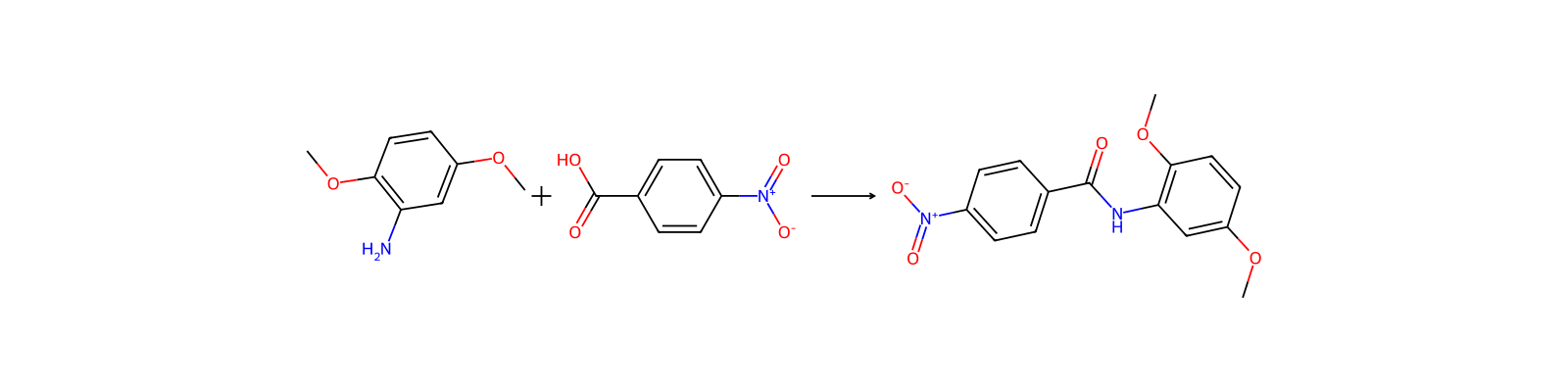
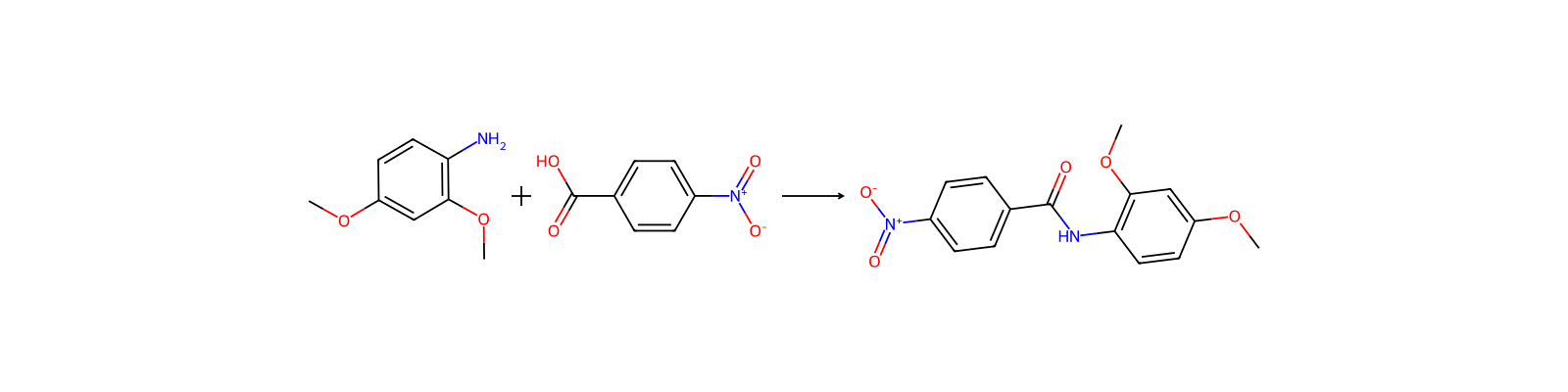
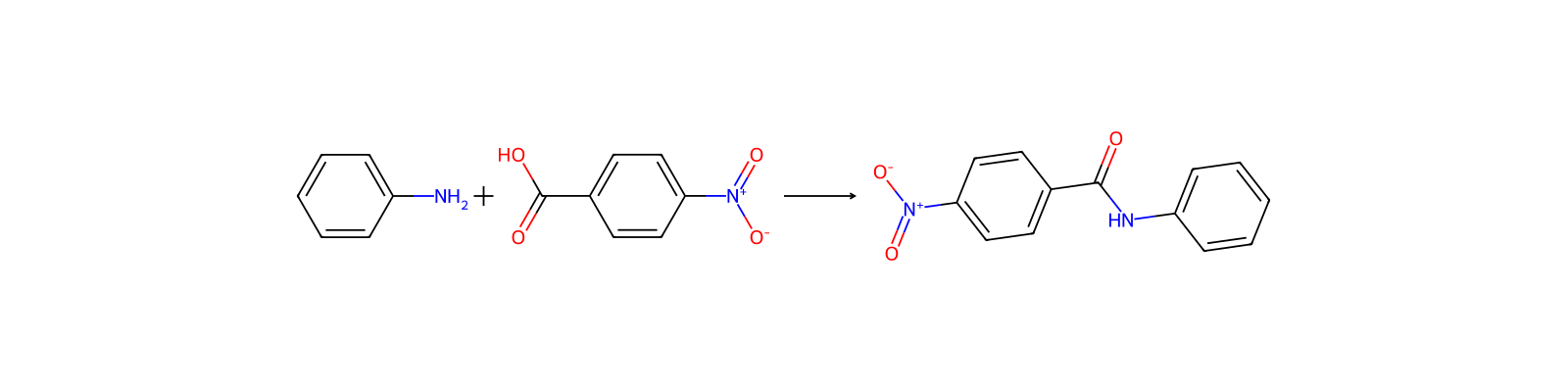
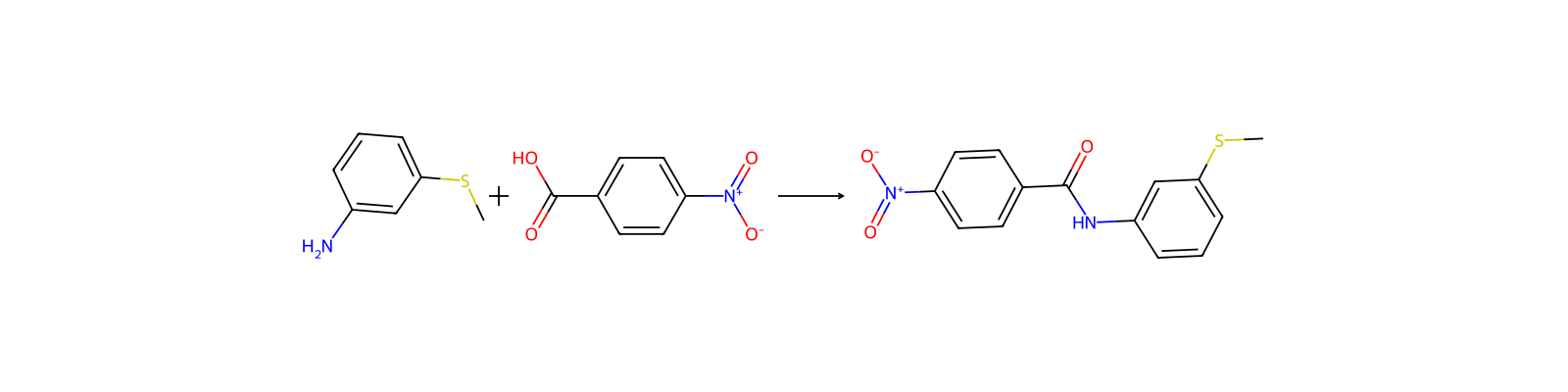
Zugehörige Reaktionen
602



Verknüpfte Notizen
Wird geladen…