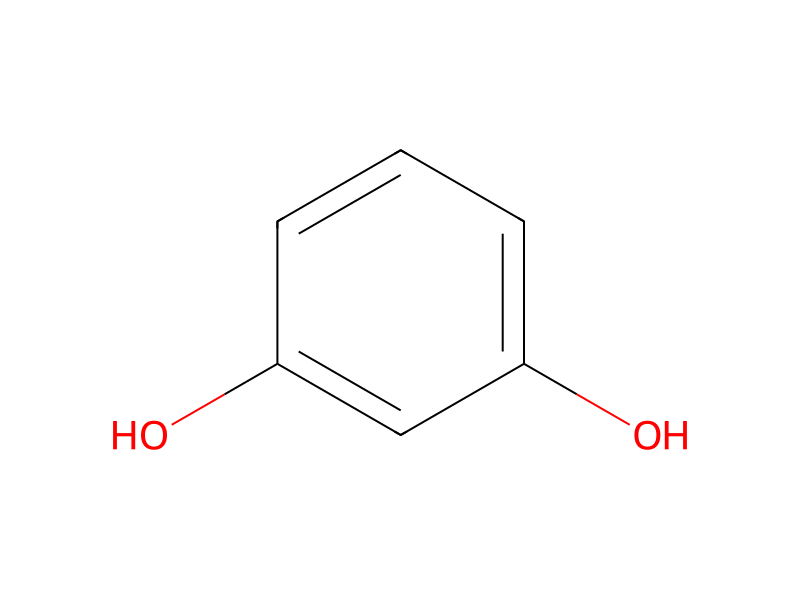
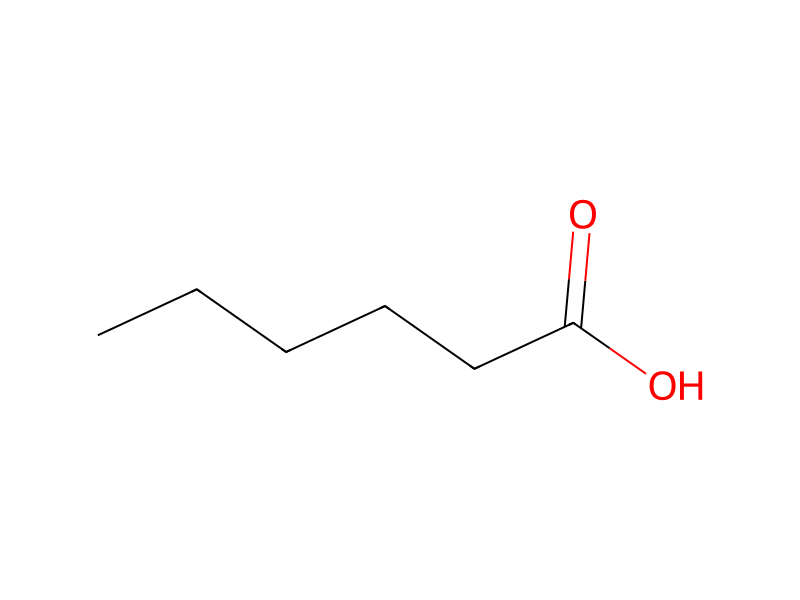
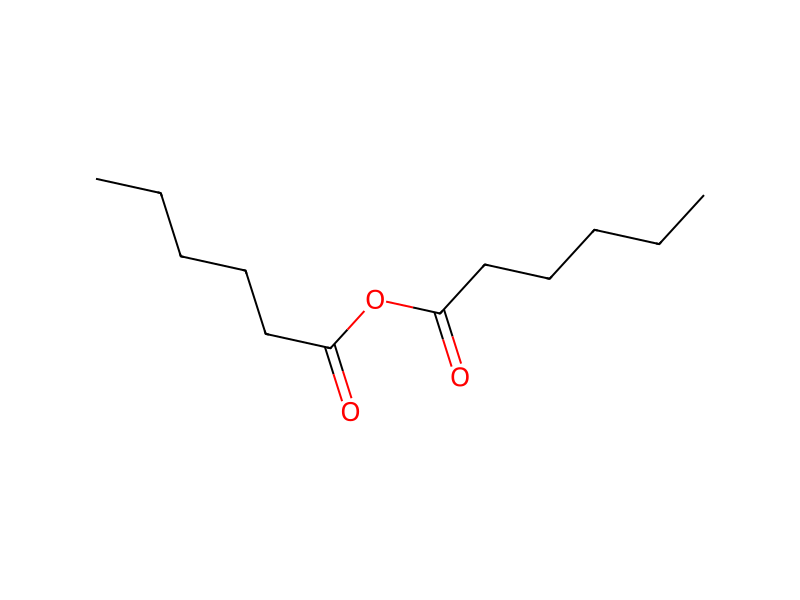
Sulfuric Acid → 1,3-Benzenediol, O,O'-dihexanoyl-
Reaktionsgleichung

C1(C=CC=C(O)C=1)O.C(OC(=O)CCCCC)(=O)CCCCC.S(=O)(=O)(O)O.C1(C(CCCCCC(O)=O)=C(C(CCCCCC(O)=O)=CC=1)O)O.[C:53]([O:60][C:61]1[CH:66]=[CH:65][CH:64]=[C:63]([O:67][C:68](=[O:74])[CH2:69][CH2:70][CH2:71][CH2:72][CH3:73])[CH:62]=1)(=[O:59])[CH2:54][CH2:55][CH2:56][CH2:57][CH3:58].C(O)(=O)CCCCC>>[C:53]([O:60][C:61]1[CH:66]=[CH:65][CH:64]=[C:63]([O:67][C:68](=[O:74])[CH2:69][CH2:70][CH2:71][CH2:72][CH3:73])[CH:62]=1)(=[O:59])[CH2:54][CH2:55][CH2:56][CH2:57][CH3:58]