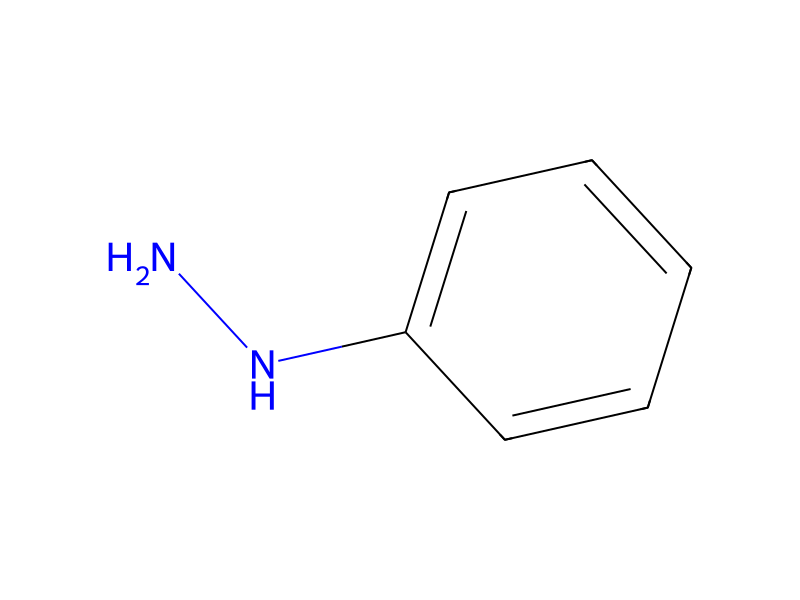
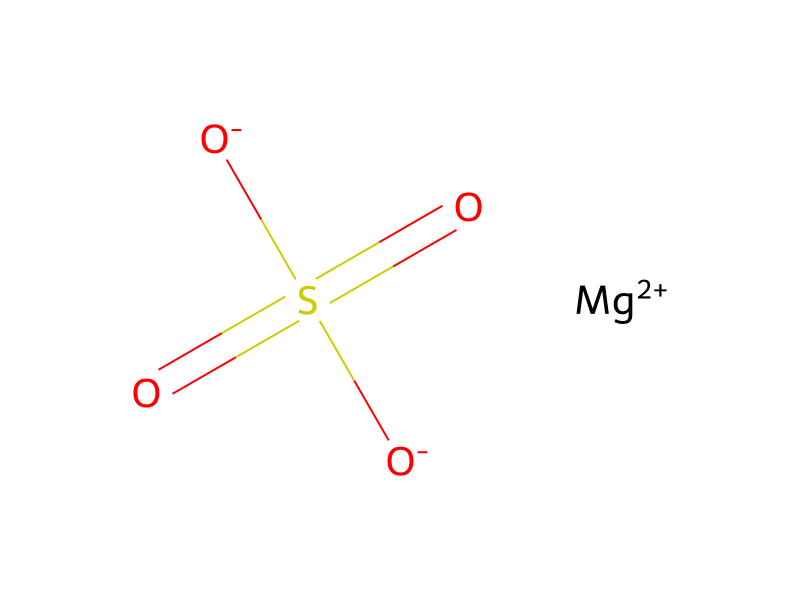
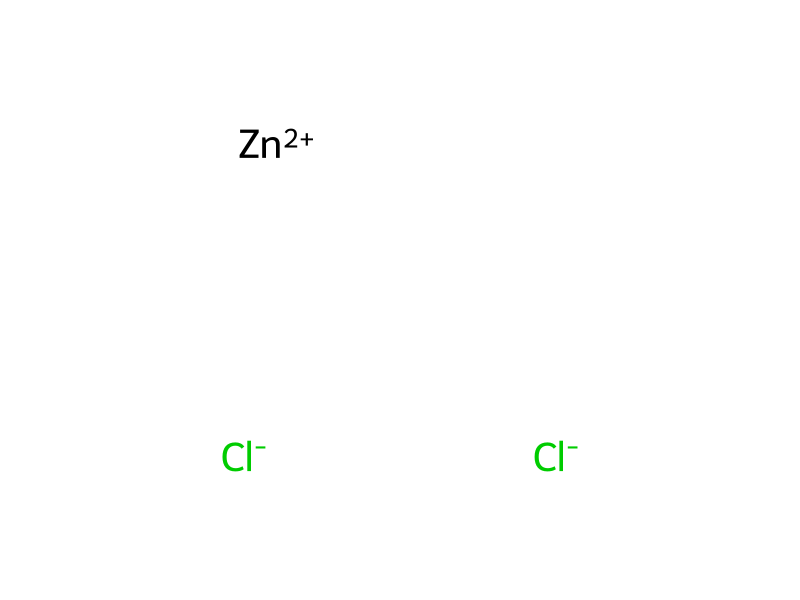
[CH2:1]1[O:11][C:4]2([CH2:9][CH2:8][C:7](=O)[CH2:6][CH2:5]2)[O:3][CH2:2]1.[C:12]1([NH:18]N)[CH:17]=[CH:16][CH:15]=[CH:14][CH:13]=1.S([O-])([O-])(=O)=O.[Mg+2].O>C(Cl)Cl.[Cl-].[Zn+2].[Cl-]>[CH2:2]1[CH2:1][O:11][C:4]2([CH2:9][C:8]3[C:17]4[C:12](=[CH:13][CH:14]=[CH:15][CH:16]=4)[NH:18][C:7]=3[CH2:6][CH2:5]2)[O:3]177.2 g (0.5 mol) of 1,4-cyclohexanedione monoethylene ketal are dissolved together with 48.4 ml (0.5 mol) of phenylhydrazine in 2 l of methylene chloride, and 300 g of magnesium sulphate are added, and the mixture is stirred for 30 min. The magnesium sulphate is then filtered off with suction, washed with methylene chloride, and the filtrate is evaporated. The residue is taken up in 1.5 l of benzene, and 62.1 g (0.46 mol) of anhydrous zinc chloride are added and the mixture is heated under reflux with a water separator for 3 h. The reaction solution is then concentrated, 2N sodium hydroxide solution is added, and the mixture is extracted 3 times with ethyl acetate. The combined ethyl acetate phases are dried with sodium sulphate and evaporated. The residue crystallizes from a little ether. In this way 3.5 g (72% of theory) of the product are obtained.