Hydrochloric Acid → 3,3'-Dichlorobisphenol A
HRID 1105975
Reaktionsgleichung

[OH:1][C:2]1[CH:7]=[CH:6][C:5]([C:8]([C:11]2[CH:16]=[CH:15][C:14]([OH:17])=[CH:13][CH:12]=2)([CH3:10])[CH3:9])=[CH:4][CH:3]=1.S(Cl)([Cl:21])(=O)=O.[ClH:23]>CCOCC>[Cl:23][C:7]1[CH:6]=[C:5]([C:8]([C:11]2[CH:12]=[CH:13][C:14]([OH:17])=[C:15]([Cl:21])[CH:16]=2)([CH3:10])[CH3:9])[CH:4]=[CH:3][C:2]=1[OH:1]Komponenten
5
Edukt 3


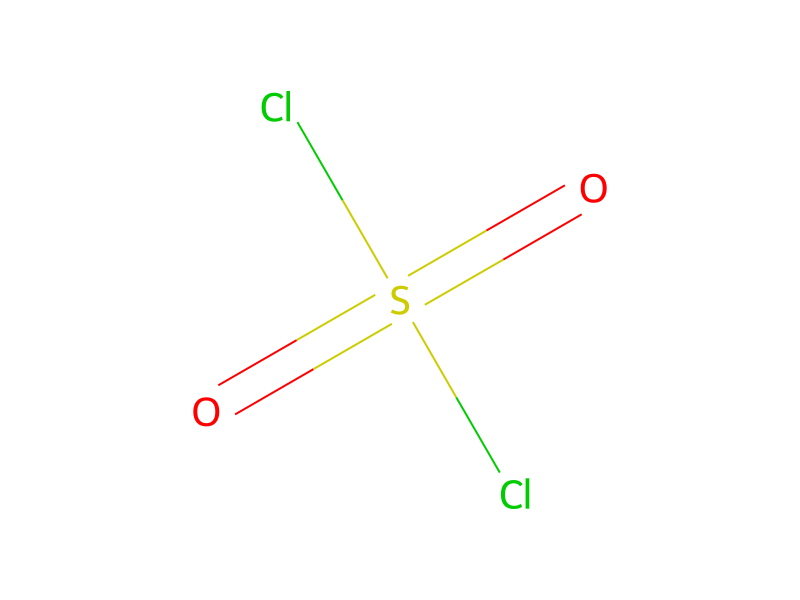
Produkt 1

Reagenzien, Katalysatoren, Lösungsmittel 1

Versuchsvorschrift
Bisphenol A (17.2 g; 75 mmol) dissolved in 100 mL of anhydrous ether was treated with sulfuryl chloride (22.25 g; 165 mmol) and stirred at room temperature. The reaction was exothermic, and the temperature initially rose to 30° C. However, HCl and SO2 gases that were given off cooled the system and maintained it below 30° C. After the gas evolution had stopped, the reaction mixture was refluxed for 1 hour. The work-up procedure involved washing with saturated NaHCO3 solution and water followed by drying (Na2SO4) and concentration. The product 2,2-bis(3-chloro,-4-hydroxyphenyl)propane was formed in 95% yield.