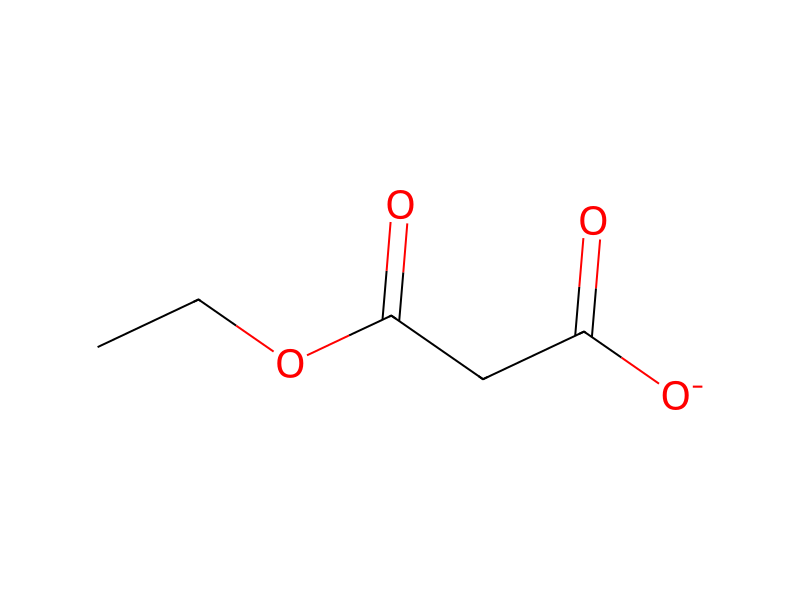
The starting material is prepared as follows: The solution of 39.6 g of monoethyl malonate, 50 mg of 2,2-bipyridyl (indicator) and 650 ml of tetrahydrofuran is cooled to -70°, whereupon 305 ml of 1.97 M n-butyl lithium in hexane are added slowly under nitrogen while stirring. The temperature is allowed to rise to about -5° near the end of addition, after the pink color of the indicator persists. The mixture is recooled to -65°, and the solution of 31.7 g of o-nitrobenzoyl chloride in 50 ml of tetrahydrofuran is added dropwise within 10 minutes. The resultant mixture is stirred at room temperature for 1 hour and then poured onto a mixture of 650 ml of 1 N hydrochloric acid and 1100 ml of diethyl ether. The organic layer is separated, washed successively with 350 ml of saturated aqueous sodium bicarbonate, 400 ml of water and 200 ml of brine, dried and evaporated, to yield the ethyl 2-(o-nitrobenzoyl)-acetate, as an oil.