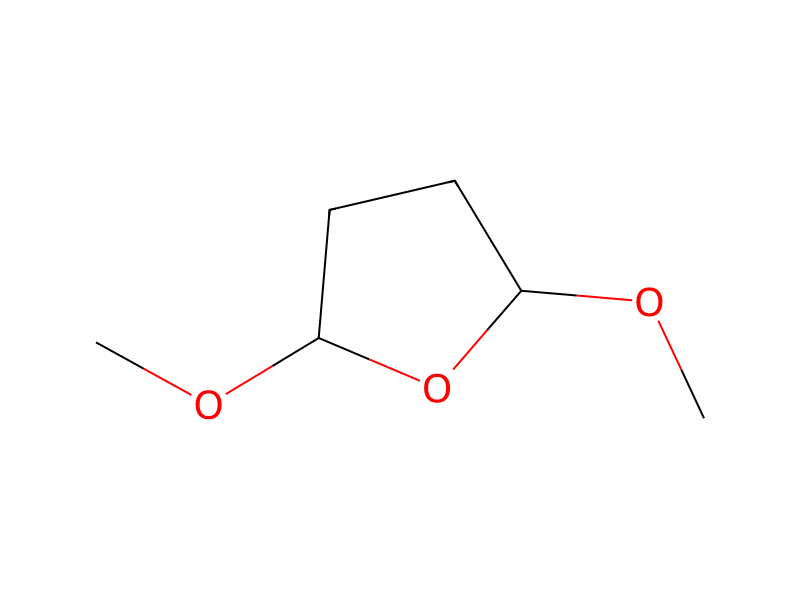
[NH2:1][C:2]1[N:3]=[C:4]([CH2:12][CH2:13][CH3:14])[NH:5][C:6]=1[C:7]([O:9][CH2:10][CH3:11])=[O:8].C([O-])(=O)C.[Na+].CO[CH:22]1[CH2:26][CH2:25][CH:24](OC)O1>C(O)(=O)C>[CH2:12]([C:4]1[NH:5][C:6]([C:7]([O:9][CH2:10][CH3:11])=[O:8])=[C:2]([N:1]2[CH:22]=[CH:26][CH:25]=[CH:24]2)[N:3]=1)[CH2:13][CH3:14]A solution of ethyl 4-amino-2-propylimidazole-5-carboxylate from above (9.34 g, 47 mmol) and sodium acetate (23.2 g) in acetic acid (100 mL) was heated to reflux and treated with 2,5-dimethoxy-tetrahydrofuran (6.75 mL, 52 mmol). The reaction was held at reflux for 30 minutes, then cooled back to room temperature with an ice bath. The majority of the acetic acid was evaporated under reduced pressure, then the residue was partitioned between ethyl acetate and 10% aqueous K2CO3 (120 mL) each. The organic layer was dried over MgSO4 and evaporated. The residue was purified by flash chromatography on silica gel, eluting with CH2Cl2 - ethyl acetate (80:20). Evaporation of solvents gave a solid which was recrystallized from hexane/EtOAc (1:1) to give 7.4 g of the title compound, mp 134°-135° C.; MS (CI), 248 (m+1).