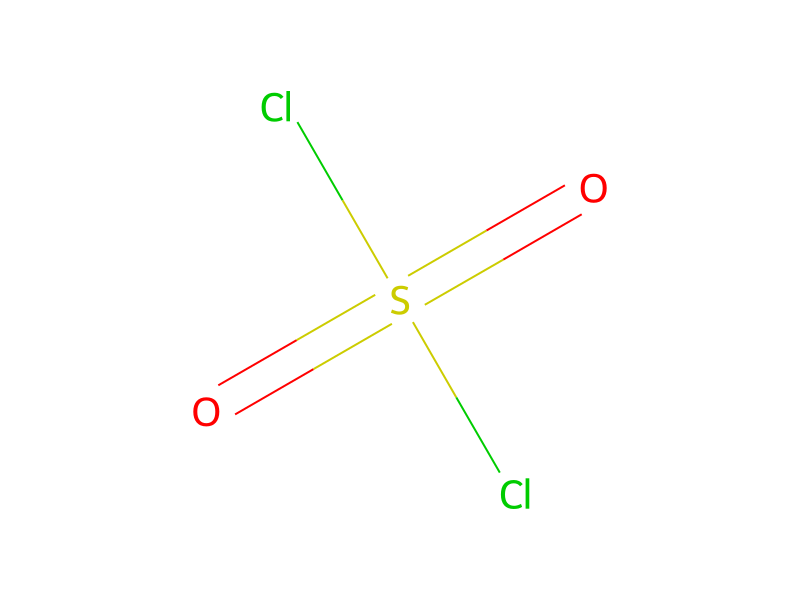
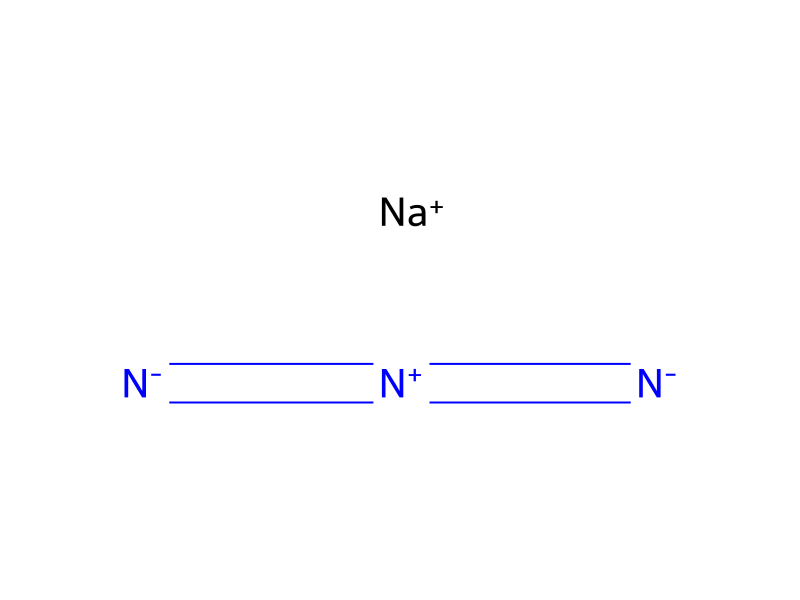
274 g (1.33 mole) of p-methoxybenzenesulfonyl chloride was dissolved in one liter ethanol in a two liter Erlenmeyer flask. The solution was stirred magnetically and warmed to 30° C. 112 g (1.72 mole) of sodium azide was dissolved in a minimum amount of water and the sodium azide solution was then added to the sulfonyl chloride solution. Sodium chloride precipitated over a 30 minute period. The reaction solution was then poured into a 4 liter Erlenmeyer flask containing 2 liters of ice water. The resultant white solid was removed by filtration and air dried in a vacuum oven overnight at room temperature; yield 281 g of p-methoxybenzenesulfonyl azide (99% of theory; mp 39°-42° C.). The sample was crystallized from methanol to yield a white solid in 96% yield, mp 48°-50° C., lit. value mp 52° C.