Reaktionsgleichung

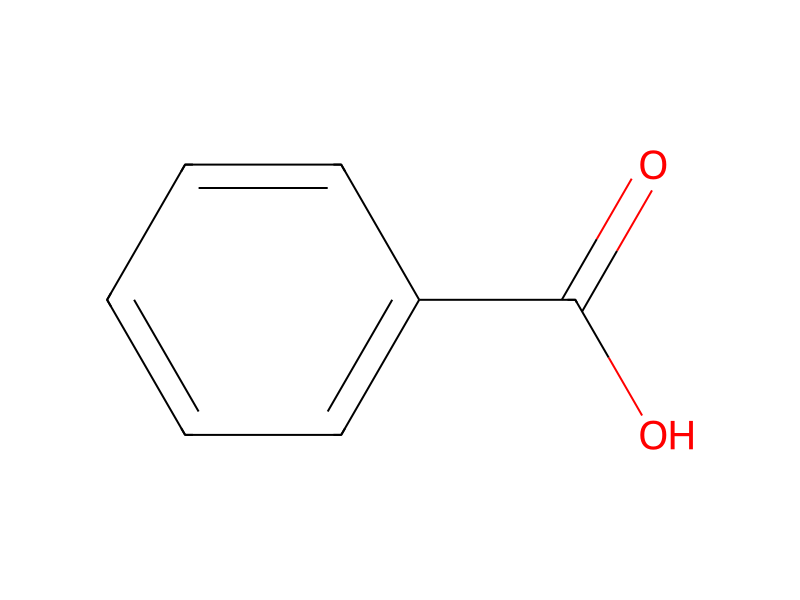
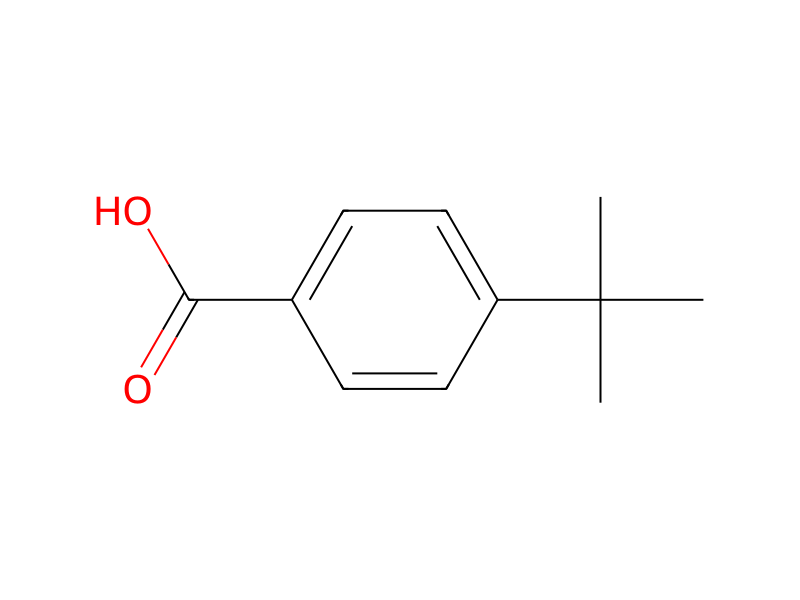
N[C:2]1[CH:23]=[CH:22][CH:21]=[CH:20][C:3]=1[C:4]([NH:6][N:7]=CC1C2C(=CC=CC=2)C=CC=1O)=[O:5].[C:24](C1C=CC(C(O)=O)=CC=1)([CH3:27])([CH3:26])[CH3:25].C(O)(=O)C1C=CC=CC=1.NN>>[C:24]([C:22]1[CH:23]=[CH:2][C:3]([C:4]([NH:6][NH2:7])=[O:5])=[CH:20][CH:21]=1)([CH3:27])([CH3:26])[CH3:25]Komponenten
5



Versuchsvorschrift
The particularly preferred substituted aromatic hydrazone 2-hydroxy-1-naphthaldehyde-p-(t-butyl)-benzoyl hydrazone is prepared in a manner similar to the preparation of 2-hydroxy-1-naphthaldehyde-o-aminobenzoyl hydrazone, Equations (1) through (3) above. Since the ester of p-(t-butyl)-benzoic acid is not available the preparation of this hydrazone requires the additional step of esterification of the benzoic acid. The ester of p-(t-butyl)-benzoic acid is reacted with hydrazine to produce p-(t-butyl)-benzhydrazide. This hydrazide is then reacted with 2-hydroxy-1-naphthaldehyde to yield 2-hydroxy-1-naphthaldehyde-p-(t-butyl)-benzoyl hydrazone.
Quellen und Nachweise
- ORD-Eintrag
- ord-803e2f836c27437cbbaca2d01beb8325
- Quelldatensatz
- uspto-grants-1982_06
- Patentnummer
- US04334015
Verknüpfte Notizen
Wird geladen…