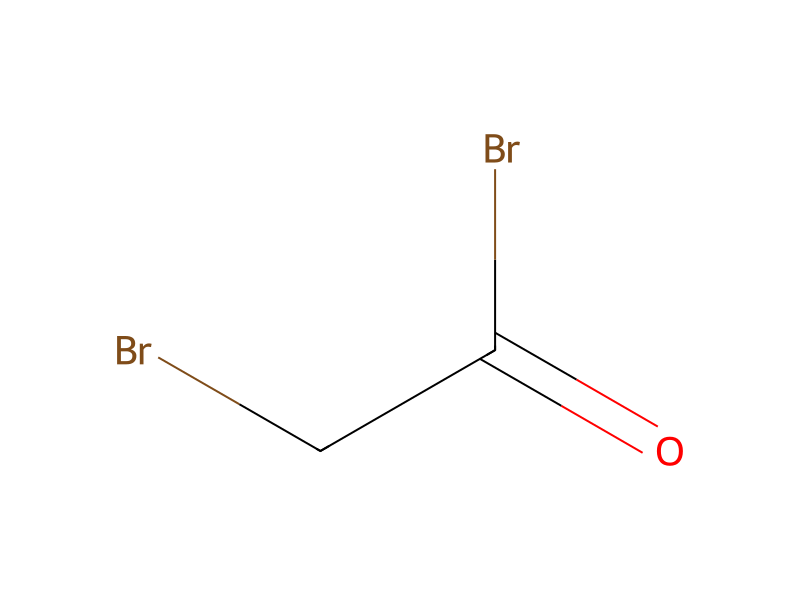
2-Amino-N-(2-hydroxyethyl)-4,5,6,7-tetrahydrobenzo[b]thiophene-3-carboxamide (4.6 g, 19.14 mmol) and DIPEA (4.95 g, 6.33 mL, 38.3 mmol) were dissolved in THF (100 mL) and the mixture purged with nitrogen and cooled in an ice bath. 2-Bromoacetyl bromide (3.86 g, 1.667 mL, 19.14 mmol) dissolved in THF (5 mL) was added dropwise and the reaction monitored by TLC. After 30 min TLC indicated 3:1 product: starting material with a faint spot for bis-acylated material. An additional quantity of 2-bromoacetyl bromide (0.97 g, 0.417 μL, 4.79 mmol) was added and stirring continued for a further 30 min. The mixture was quenched by addition of water before removal of THF under reduced pressure. The mixture was then partitioned between EtOAc/water and the organic layer collected—additional DCM was added to aid solubility. The aqueous layer was further washed with DCM. Combined organics were dried and concentrated to give a thick dark oil which was purified on silica eluting with 20-60% EtOAc/heptane. Desired fractions were collected and concentrated to yield the desired product as a light yellow solid (2.96 g, 8.23 mmol, 43%). The sample was used directly in the next step without any further purification.