1,1-Dichloroethane → (7-Methoxy-1,2,3,4-tetrahydro-naphthalen-2-yl)-propyl-amine hydrochloride
HRID 1168880
Reaktionsgleichung

[CH3:1][O:2][C:3]1[CH:12]=[C:11]2[C:6]([CH2:7][CH2:8][C:9](=O)[CH2:10]2)=[CH:5][CH:4]=1.[CH2:14]([NH2:17])[CH2:15][CH3:16].C(O[BH-](OC(=O)C)OC(=O)C)(=O)C.[Na+].[Cl:32]C(Cl)C>>[ClH:32].[CH3:1][O:2][C:3]1[CH:12]=[C:11]2[C:6]([CH2:7][CH2:8][CH:9]([NH:17][CH2:14][CH2:15][CH3:16])[CH2:10]2)=[CH:5][CH:4]=1Komponenten
5




Versuchsvorschrift
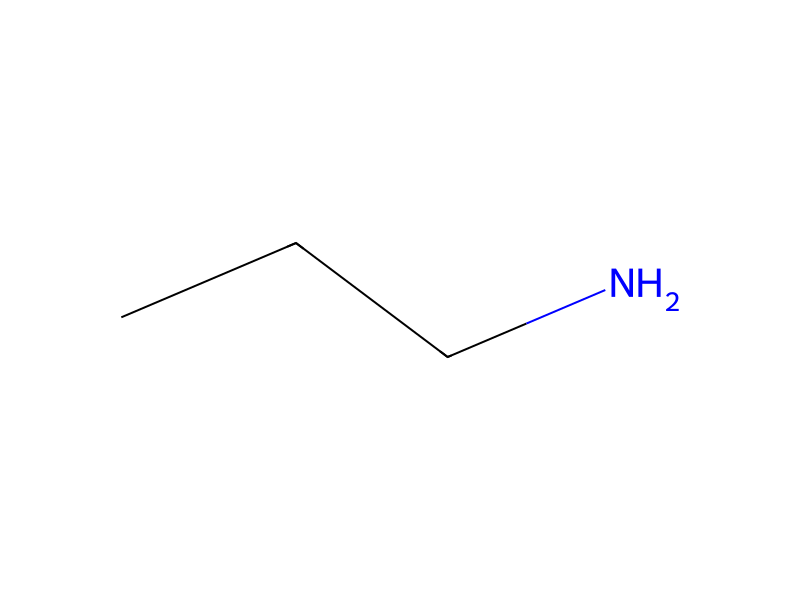
To a solution of 7-methoxy-3,4-dihydro-1H-naphthalen-2-one (6.0 g, 39.7 mmol) in dichloroethane (130 mL) under an inert atmosphere was added propylamine (3.4 mL, 41.7 mmol, 1.05 eq) followed by sodium triacetoxyborohydride (21 g, 99.3 mmol, 2.5 eq) in a single portion. The reaction was allowed to stir at room temperature for 24 h. The mixture was concentrated in vacuo and partitioned between EtOAc (200 mL) and 5% aq. NaOH (100 mL). The aqueous layer was extracted twice more with EtOAc (2×70 mL). The combined organic layers were washed with brine (100 mL), dried over MgSO4, filtered, and concentrated. The residue was taken up in ether (125 mL) and treated with 1N HCl in ether. The salt was filtered and dried to afford (7-methoxy-1,2,3,4-tetrahydro-naphthalen-2-yl)-propyl-amine hydrochloride as a tan solid (5.0 g).