StartseiteMCPWorkbenchSkills
StartseiteWorkbenchBenachrichtigungenMein Bereich
llms.txt · MCP-AnleitungDatenschutz · Nutzungsbedingungen · Supportv1.8.3
  1. Startseite
  2. /Reaktion

tert-Butanol → tert-butyl N-(2-bromoacetyl)carbamate

HRID 1176201
Drucken

Reaktionsgleichung

Reaktionsgleichung von HRID 1176201
[Br:1][CH2:2][C:3]([NH2:5])=[O:4].C(Cl)(=O)[C:7](Cl)=[O:8].[C:12]([OH:16])([CH3:15])([CH3:14])[CH3:13].CCCCCCC>C(Cl)CCl.ClCCl>[C:12]([O:16][C:7](=[O:8])[NH:5][C:3](=[O:4])[CH2:2][Br:1])([CH3:15])([CH3:14])[CH3:13]
KomponentenReaktionsbedingungenVersuchsvorschriftAufarbeitungQuellen und NachweiseNotizen zur Reaktion

Komponenten

7

Edukt 4

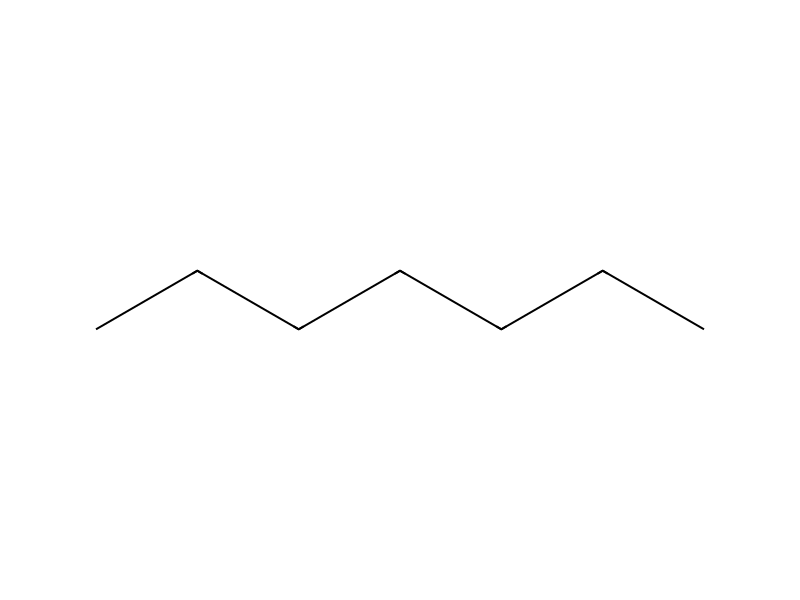
HCID 6386tert-ButanolHCID 8900HeptaneHCID 65578Oxalyl chlorideHCID 696322-Bromoacetamide

Produkt 1

HCID 46224013tert-butyl N-(2-bromoacetyl)carbamateAusbeute 86 %

Reagenzien, Katalysatoren, Lösungsmittel 2

HCID 11
1,2-Dichloroethane
Lösungsmittel
HCID 6344DichloromethaneLösungsmittel2×

Reaktionsbedingungen

Temperatur
2.5 °C

Versuchsvorschrift

2-Bromoacetamide (11.1 g, 80 mmol) was suspended in ethylene dichloride (130 ml) in a 250-ml round-bottomed flask fitted with a magnetic stirrer, a thermometer, and a condenser with nitrogen flow. Oxalyl chloride (9.76 ml, 112 mmol, 1.4 eq) was added slowly to the solution at room temperature with stirring. The mixture was stirred at room temperature for 30 min, and then heated to reflux for 5 hours (the suspension became a clear solution). The condenser was replaced with a distillation system, and about 35-40 ml solvent was removed with stirring. The heating mantle was withdrawn and the reaction mixture was cooled with an ice bath to 0-5° C. A solution of tert-butanol (10.7 ml, 112 mmol, 1.4 eq) in 10 ml dichloromethane was added slowly to maintain temperature below 15° C. and the mixture was stirred at 0-15° C. for 15-30 min. The reaction mixture was diluted with dichloromethane (220 ml) and washed sequentially with aqueous saturated sodium bicarbonate solution (50 ml) and water (3×80 ml) (The amount of unreacted 2-bromoacetamide in organic layer should be controlled to <1% by 1H NMR or HPLC, otherwise, continue washing with water to meet this requirement). The combined organic layers were concentrated under reduced pressure to remove about 200-250 ml solvent (A slurry was formed). Heptane (110 ml) was added and the mixture was concentrated to remove about 50-70 ml solvent at reduced pressure. Heptane (110 ml) was added and the mixture was heated to 50° C. for 30 min, and then cooled to room temperature. The mixture was stirred at room temperature for 1 hour and filtered and washed with heptane (30 ml) to afford the desired product (15.5 g, 86%) as a white crystalline solid.

Aufarbeitung

  1. customfitted with a magnetic stirrer
  2. stirringThe mixture was stirred at room temperature for 30 min
  3. temperatureheated
  4. temperatureto reflux for 5 hours (the suspension
  5. customwas removed
  6. stirringwith stirring
  7. customThe heating mantle was withdrawn
  8. temperatureto maintain temperature below 15° C.
  9. stirringthe mixture was stirred at 0-15° C. for 15-30 min
  10. washwashed sequentially with aqueous saturated sodium bicarbonate solution (50 ml) and water (3×80 ml) (The amount of unreacted 2-bromoacetamide in organic layer
  11. washotherwise, continue washing with water
  12. concentrationThe combined organic layers were concentrated under reduced pressure
  13. customto remove about 200-250 ml solvent (A slurry
  14. customwas formed)
  15. concentrationthe mixture was concentrated
  16. customto remove about 50-70 ml solvent at reduced pressure
  17. additionHeptane (110 ml) was added
  18. temperaturethe mixture was heated to 50° C. for 30 min
  19. temperaturecooled to room temperature
  20. stirringThe mixture was stirred at room temperature for 1 hour
  21. filtrationfiltered
  22. washwashed with heptane (30 ml)

Quellen und Nachweise

ORD-Eintrag
ord-1bbcb95dfa314789a6a70e70526c5006
Quelldatensatz
uspto-grants-2010_11
DOI
10.6084/m9.figshare.5104873.v1
Patentnummer
US07842813B2

Notizen zur Reaktion

Auf dieser SeiteKomponentenReaktionsbedingungenVersuchsvorschriftAufarbeitungQuellen und NachweiseNotizen zur Reaktion