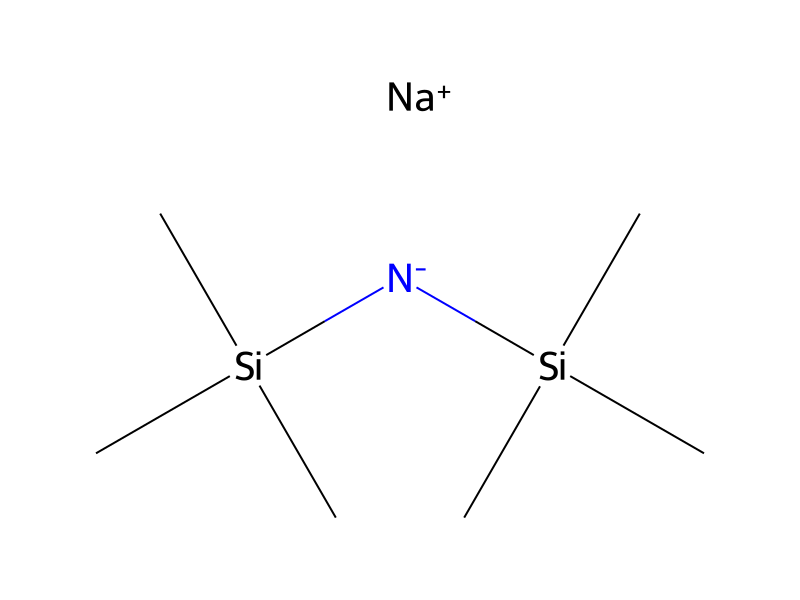
C[Si]([N-][Si](C)(C)C)(C)C.[Na+].[NH:11]1[C:19]2[CH:18]=[CH:17][N:16]=[CH:15][C:14]=2[N:13]=[CH:12]1.[CH:20]1([N:26]([CH3:37])[C:27](=[O:36])[C:28]2[CH:33]=[CH:32][C:31]([CH2:34]Br)=[CH:30][CH:29]=2)[CH2:25][CH2:24][CH2:23][CH2:22][CH2:21]1>C1COCC1.C(OCC)(=O)C.CO.O>[CH:20]1([N:26]([CH3:37])[C:27](=[O:36])[C:28]2[CH:33]=[CH:32][C:31]([CH2:34][N:11]3[C:19]4[CH:18]=[CH:17][N:16]=[CH:15][C:14]=4[N:13]=[CH:12]3)=[CH:30][CH:29]=2)[CH2:25][CH2:24][CH2:23][CH2:22][CH2:21]1Sodium bis(trimethylsilyl)amide (22 ml of 1 M solution in THF) was added to a stirred solution of imidazo[4,5-c]pyridine (2.60 g, 0.02 mol) in dry THF (200 ml) under argon. A fine white precipitate formed. After 90 min. the mixture was treated with N-cyclohexyl-N-methyl 4-bromomethylbenzamide (6.20 g, 0.02 mol) dissolved in dry THF (50 ml). The mixture was allowed to warm to ambient temperature and stirred overnight. Methanol (1 ml) was added, followed by water and the product extracted using ethyl acetate (3×150 ml) The combined organic layers were washed,, with water (2×100 ml), dried over anhydrous potassium carbonate and the solvent removed to give the crude product. Flash chromatography (flash silica: 10% methanol in ethyl acetate) followed by repeated fractional crystallisation (6 times from ethyl acetate/DIPE) gave the desired regioisomer N-cyclohexyl-N-methyl 4-(1 H-imidazo[4,5-c]pyridylmethyl)benzamide (0.39 g, 5%) as an off white crystalline solid.