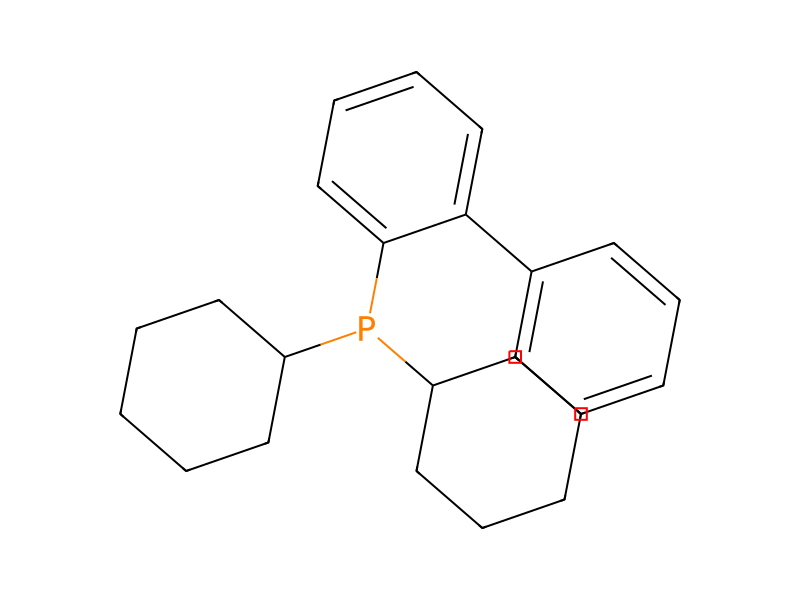
9.3 g (40 mmol) of 4-chloro-2-(ethoxymethoxy)-1-nitrobenzene from step A and 7.3 g (60 mmol) of phenylboric acid were dissolved in 170 mL of toluene under nitrogen. Then, 0.1 g (0.5 mmol) of palladium acetate, 0.35 g (1 mmol) of 2-(dicyclohexylphosphino)biphenyl and 15 g of tripotassium phosphate were added, and the reaction mixture was heated to 80° C. At the end of the reaction, the reaction mixture was poured into 100 mL of ethyl acetate and the organic phase was extracted with dilute sodium hydroxide solution and then dried over magnesium sulfate. The solvent was distilled off in a rotary evaporator, and the residue was purified on silica gel with hexane/ethyl acetate (9:1). The resulting product dissolved in 50 mL of ethanol was heated to 50° C. 80 mL of a 2.9-molar ethanolic hydrochloric acid solution was then added dropwise after which the reaction mixture was cooled to 0° C. The precipitate was filtered off, washed twice with 20-mL portions of ethanol and then dried. This gave 9.35 g of 4-nitro-1,1′-biphenyl-3-ol.