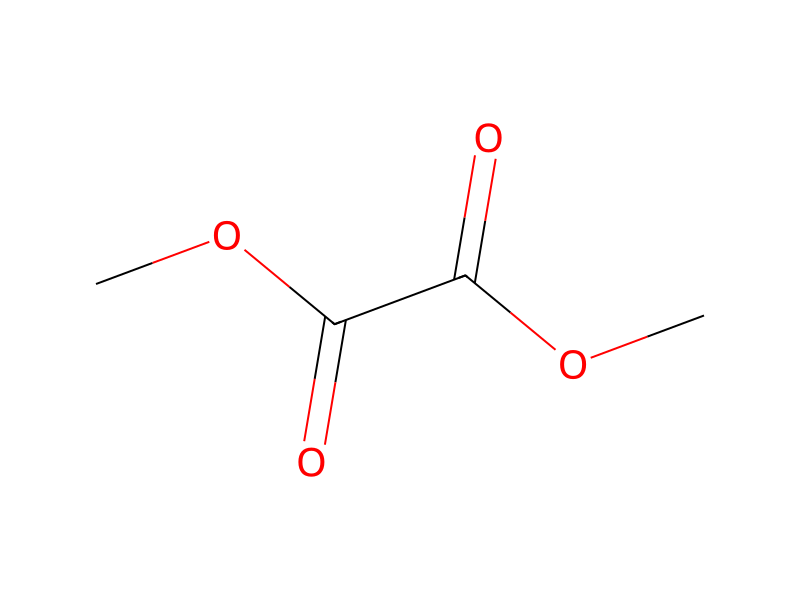
A 1 L multi-neck flask equipped with agitator, thermometer, addition funnel, and nitrogen protection is charged with acetonitrile (0.67 kg, 0.85 L) followed by adding dimethylformamide (0.00086 kg, 0.91 mL, d=0.944 g/mL). At ambient temperature, is added 4-dimethylaminocrotonic acid hydrochloride (0.0709 kg) and the mixture stirred until homogeneous. Cool the reaction mixture to (0–10° C.) and add oxalyl chloride (0.0473 kg, 0.0325 L, d=1.45 g/mL) dropwise over (20 minutes) at (0–10° C.) followed by a rinse with acetonitrile (0.02 kg, 0.03 L). The temperature (0–10° C.) is maintained for about (20 minutes). The temperature of the reaction mixture is adjusted to (22–26° C.) over (20 minutes) and maintained over (2 hours). The temperature of reaction mixture is adjusted to (40–45° C.) and held for about (5 minutes). Cool the light suspension to about (20–25° C.) and check for reaction completion by high-pressure liquid chromatography (HPLC). The reaction is complete when there is ≦15% of the starting material (4-dimethylaminocrotonic acid hydrochloride) present and/or ≦2% of oxalyl chloride (detected as the dimethyl oxalate).