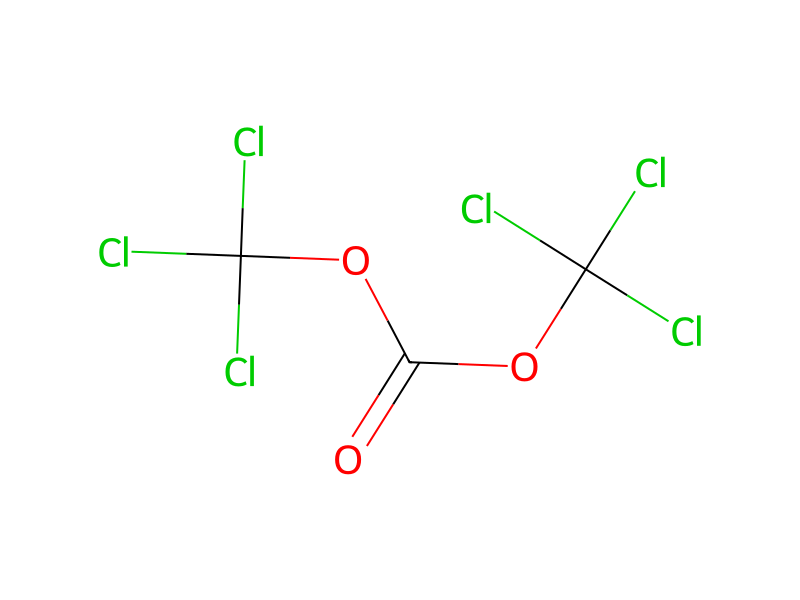
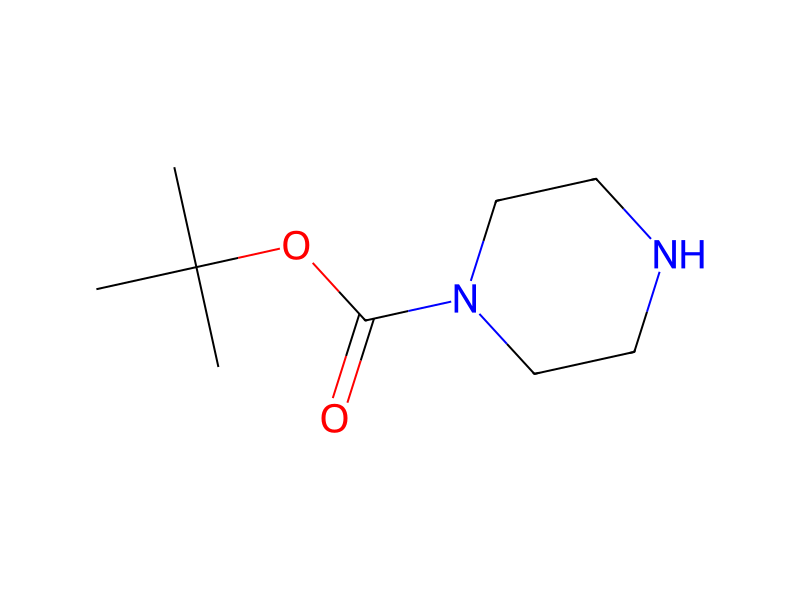
To a stirring solution of triphosgene (2.7 g, 9.0 mmol) in dichloromethane (100 mL) was added, dropwise via an addition funnel, a solution of 2-bromo-4-chloroaniline (5 g, 24.2 mmol) and N,N-diisopropylethylamine (6.9 g, 53.2 mmol) in dichloromethane (50 mL). After complete addition and an additional hour, a solution of N-Boc-piperazine (5 g, 26.6 mmol) in dichloromethane (50 mL) was added. After stirring overnight, the solvent was removed in vacuo and the residue was partitioned between ethyl acetate and water. The organic phase was separated and washed consecutively with 1 M citric acid, brine, sat. aq sodium bicarbonate and finally with brine, then dried with MgSO4, filtered and concentrated in vacuo. The residue was then dissolved in a minimal amount of chloroform and chromatographed over silica gel, eluting with 20% ethyl acetate in hexanes followed by 30% ethyl acetate in hexanes. The product containing fractions were combined and concentrated in vacuo and the resulting solid was suspended in diethyl ether, sonicated and then filtered and dried in vacuo to give 7.2 g (71%) of a white powder.