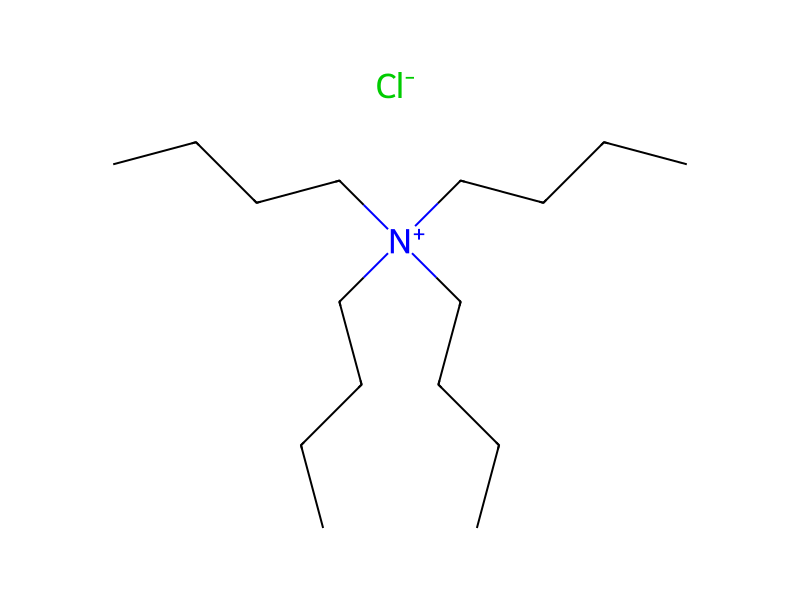
Potassium hydroxide (1.5 g, 10%) is added over a period of 1 hour 15 min to a stirred suspension of 3-hydroxy-1-(1-piperidinylmethyl)benzocyclobutene (1.0 g), and tetrabutylammonium chloride (0.13 g) in 1,3-dibromopropane (4.6 ml) and the resulting mixture stirred at RT under nitrogen for two days. The reaction mixture is partitioned between ice-water and ether and the aqueous layer separated and extracted with ether. The combined organic extract is washed with water, ice cold 5% aqueous HCl thereby forming a precipitate which is filtered and washed with ether. The acidic layer is alkalized forming an oily precipitate which is taken up in ether. The combined ether fractions are washed with water, dried over Na2SO4, filtered and concentrated in vacuo yielding the desired product as an oil which is used in the next step without further purification.