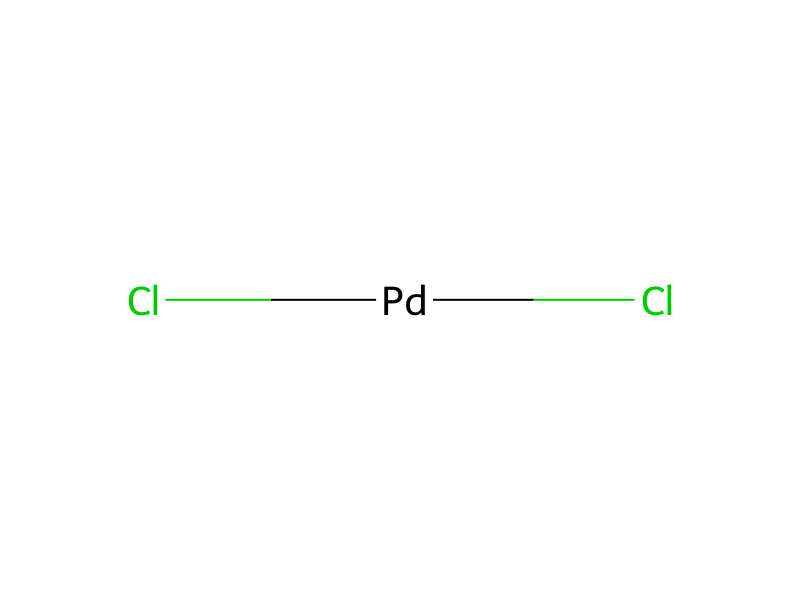
I[C:2]1[CH:3]=[N:4][N:5]2[CH:10]=[C:9]([C:11]3[CH:12]=[N:13][N:14]([CH3:16])[CH:15]=3)[CH:8]=[C:7]([O:17][CH3:18])[C:6]=12.CC1(C)C2[C:41](=C(P(C3C=CC=CC=3)C3C=CC=CC=3)C=CC=2)[O:40][C:22]2C(P(C3C=CC=CC=3)C3C=CC=CC=3)=CC=C[C:21]1=2.C(N(CC)CC)C.C([OH:70])C>[Pd](Cl)Cl>[CH3:18][O:17][C:7]1[C:6]2[N:5]([N:4]=[CH:3][C:2]=2[C:41]([O:40][CH2:22][CH3:21])=[O:70])[CH:10]=[C:9]([C:11]2[CH:12]=[N:13][N:14]([CH3:16])[CH:15]=2)[CH:8]=13-iodo-4-methoxy-6-(1-methyl-1H-pyrazol-4-yl)pyrazolo[1,5-a]pyridine (650.0 mg, 1.835 mmol), palladium (II) chloride (16.3 mg, 0.092 mmol), and Xantphos (53.1 mg, 0.092 mmol) were placed in a 40 mL scintillation vial. Absolute ethanol (6 ml) and triethylamine (0.384 ml, 2.75 mmol) were added and the mixture was sparged with argon for 5 minutes. The vial was transferred to a pressure reactor, which was filled with CO (30 psi) and vented (3×). The vessel was pressurized to 100 psi of CO and heated to 100° C. After 4 h, the system was cooled to ambient temperature. The reaction mixture was diluted in ethyl acetate, washed with saturated aqueous sodium hydrogen carbonate and brine then dried over sodium sulfate, filtered and concentrated. The residue was purified by column chromatography on silica gel (methanol/ethyl acetate gradient) to give ethyl 4-methoxy-6-(1-methyl-1H-pyrazol-4-yl)pyrazolo[1,5-a]pyridine-3-carboxylate.
Wird geladen…