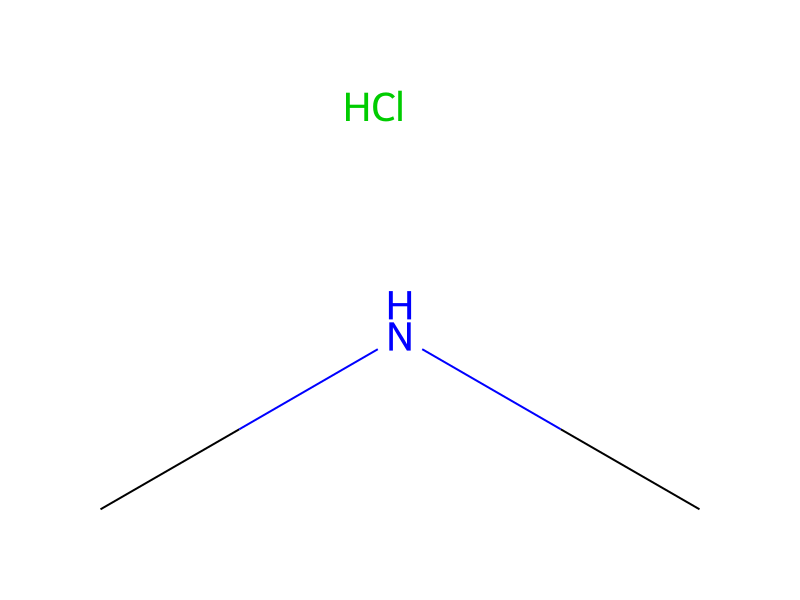
[NH:1]1[C:9]2[C:4](=[CH:5][C:6]([O:10][C:11]3[CH:19]=[CH:18][CH:17]=[CH:16][C:12]=3[C:13]([OH:15])=O)=[CH:7][CH:8]=2)[CH:3]=[N:2]1.[CH2:20]([NH2:24])[CH:21]([CH3:23])[CH3:22].Cl.CNC.OC1C2N=NNC=2C=CC=1.C(N(CC)CC)C.C(=O)([O-])O.[Na+]>CN(C)C=O>[NH:1]1[C:9]2[C:4](=[CH:5][C:6]([O:10][C:11]3[CH:19]=[CH:18][CH:17]=[CH:16][C:12]=3[C:13]([NH:24][CH2:20][CH:21]([CH3:23])[CH3:22])=[O:15])=[CH:7][CH:8]=2)[CH:3]=[N:2]1The 2-(1H-indazol-5-yloxy)benzoic acid (80.6 mg, 0.317 mmol) synthesized in Example 479 and isobutylamine (301 mg, 0.412 mmol) were dissolved in N,N-dimethylformamide (2 ml), and dimethylamine hydrochloride (72.5 mg, 0.380 mmol), hydroxybenzotriazole (47.1 mg, 0.349 mmol) and triethylamine (0.09 ml, 0.634 mmol) were added thereto at room temperature and then stirred for 2.5 hours. After the reaction, a saturated aqueous sodium hydrogencarbonate solution was added thereto, followed by extraction with chloroform. The organic layer was washed with a saturated aqueous sodium chloride solution, dried over anhydrous sodium sulfate, and then concentrated to obtain 2-(1H-indazol-5-yloxy)-N-isobutylbenzamide (47 mg, 48%) as a brown solid.