StartseiteMCPWorkbenchSkills
StartseiteWorkbenchBenachrichtigungenMein Bereich
llms.txt · MCP-AnleitungDatenschutz · Nutzungsbedingungen · Supportv1.8.3
  1. Startseite
  2. /Reaktion

Sodium Hydroxide → (3,4-Dihydro-2H-pyrido[3,2-b][1,4]thiazin-6-yl)methanol

HRID 1271700
Drucken

Reaktionsgleichung

Reaktionsgleichung von HRID 1271700
O=[C:2]1[CH2:7][S:6][C:5]2[CH:8]=[CH:9][C:10]([C:12](OC)=[O:13])=[N:11][C:4]=2[NH:3]1.[H-].[Al+3].[Li+].[H-].[H-].[H-].[OH-].[Na+].S([O-])([O-])(=O)=O.[Na+].[Na+]>O1CCCC1.CCOCC.C(Cl)(Cl)Cl>[S:6]1[CH2:7][CH2:2][NH:3][C:4]2[N:11]=[C:10]([CH2:12][OH:13])[CH:9]=[CH:8][C:5]1=2
KomponentenVersuchsvorschriftAufarbeitungQuellen und NachweiseNotizen zur Reaktion

Komponenten

8

Edukt 4

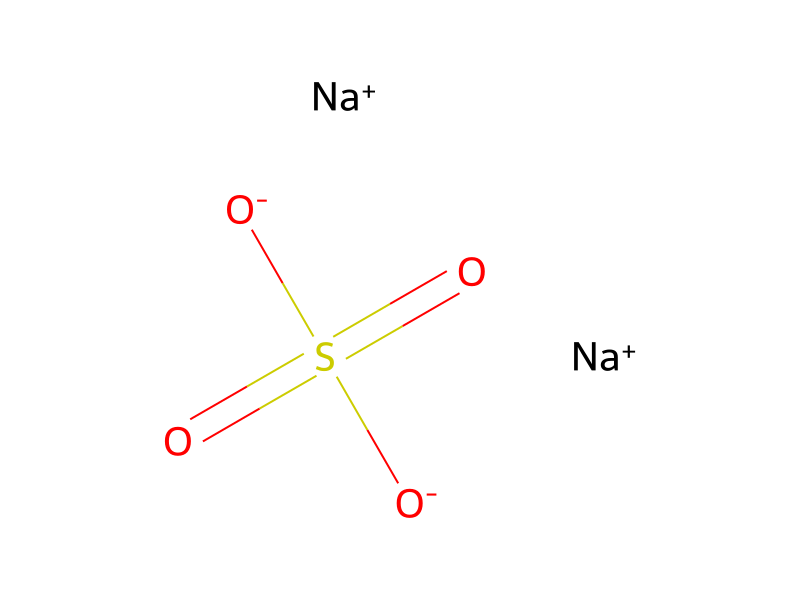
HCID 14798Sodium HydroxideHCID 24436Sodium SulfateHCID 21226445Aluminium lithium hydrideHCID 21873660Methyl 3-oxo-3,4-dihydro-2H-pyrido[3,2-b][1,4]thiazine-6-carboxylate

Produkt 1

HCID 18454501(3,4-Dihydro-2H-pyrido[3,2-b][1,4]thiazin-6-yl)methanolAusbeute 59,3 %

Reagenzien, Katalysatoren, Lösungsmittel 3

HCID 3283Diethyl EtherLösungsmittelHCID 6212ChloroformLösungsmittelHCID 8028TetrahydrofuranLösungsmittel

Versuchsvorschrift

A solution of methyl 3-oxo-3,4-dihydro-2H-pyrido[3,2-b][1,4]thiazine-6-carboxylate (31a) (1.0 g) in dry tetrahydrofuran (170 ml) was treated with a 1M solution of lithium aluminium hydride in ether (14 ml) and the mixture was heated under reflux for 18 hours. It was cooled and a slight excess of 2N sodium hydroxide was added followed by chloroform and anhydrous sodium sulphate and the mixture was stirred for 30 minutes and filtered. The solution was evaporated to dryness to give a semi-solid (0.482 g)

Aufarbeitung

  1. temperaturethe mixture was heated
  2. temperatureunder reflux for 18 hours
  3. temperatureIt was cooled
  4. filtrationfiltered
  5. customThe solution was evaporated to dryness

Quellen und Nachweise

ORD-Eintrag
ord-1bb47c27b74a49458f9b036fa092ce4e
Quelldatensatz
uspto-grants-2007_04
DOI
10.6084/m9.figshare.5104873.v1
Patentnummer
US07205408B2

Notizen zur Reaktion

Auf dieser SeiteKomponentenVersuchsvorschriftAufarbeitungQuellen und NachweiseNotizen zur Reaktion