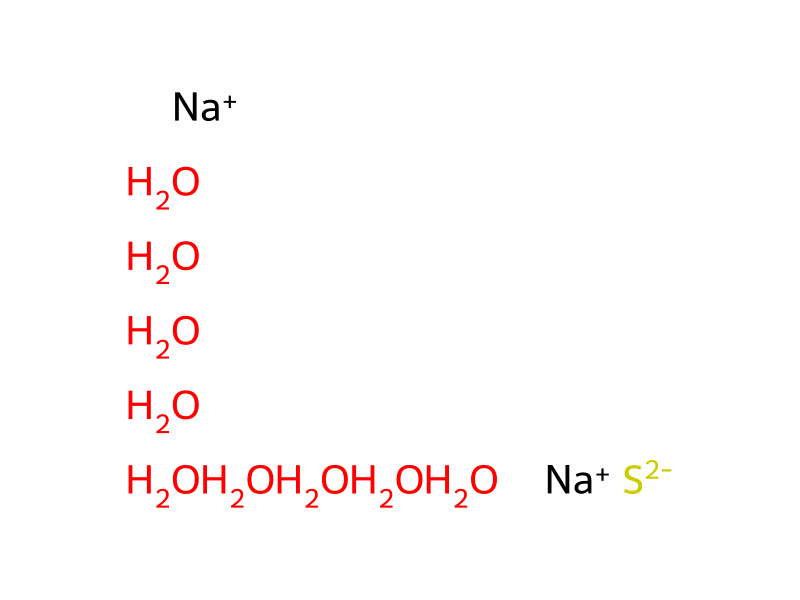
3.3 g (19.9 mmol) of methyl 2,3-diaminobenzoate were dissolved in 100 ml of methanol, and a solution of 4.0 g (25.8 mmol) of N-acetylpiperidine-4-carbaldehyde in 100 ml of methanol was added dropwise at room temperature. The whole was stirred for about 10 minutes at room temperature. Thereafter, 5.2 g (25.8 mmol) of copper(II) acetate, which was dissolved in 100 ml of water, were added dropwise and the whole was refluxed for 30 minutes. After cooling, 25 ml of concentrated hydrochloricacid were added carefully and the whole was again refluxed. 7.15 g (29.8 mmol) of sodium sulfide nonahydrate, dissolved in 100 ml of water, were then added dropwise and the whole was boiled for a further 10 minutes. After cooling, the reaction solution was evaporated down under reduced pressure. The residue obtained was dispersed in water and filtered. The filtrate was rendered alkaline with aqueous sodium bicarbonate solution and was extracted several times with ethyl acetate. The combined organic phases were washed with water, dried and evaporated down under reduced pressure. 4.5 g of the product were obtained.