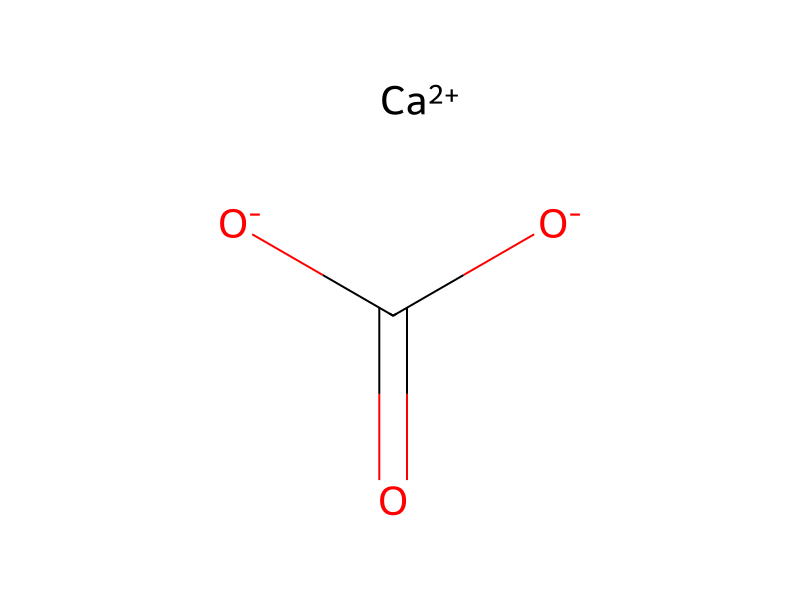
[Br:1][C:2]1[CH:3]=[CH:4][C:5]([NH2:8])=[N:6][CH:7]=1.C(=O)([O-])[O-].[Ca+2].[C:14](Cl)(Cl)=[S:15].[Br:18][C:19]1[CH:20]=[CH:21][C:22]([N:25]=[C:26]=[S:27])=[N:23][CH:24]=1.[N-]=C=S>C(#N)C>[Br:1][C:2]1[CH:3]=[CH:4][C:5]2[N:6]([CH:7]=1)[C:14](=[S:15])[N:25]([C:22]1[CH:21]=[CH:20][C:19]([Br:18])=[CH:24][N:23]=1)[C:26](=[S:27])[N:8]=2Following the procedures of Examples 1 and 2, 25.4 g. of 5-bromo-2-aminopyridine, 31 g. of calcium carbonate and 18.1 g. of thiophosgene is converted to 5-bromo-2-pyridylisothiocyanate with a b.p. of 105° C. at 0.5 mm. of Hg. 5 G. of the above freshly distilled isothiocyanate is dissolved in 50 ml. of acetonitrile and allowed to stand overnight at room temperature. The reaction mixture is filtered and the solid material washed with acetonitrile affording 7-bromo-3-(5-bromo-2-pyridyl) pyrido(1,2-a) 1,3,5-triazine 2,4-dithione m.p. 77° C.