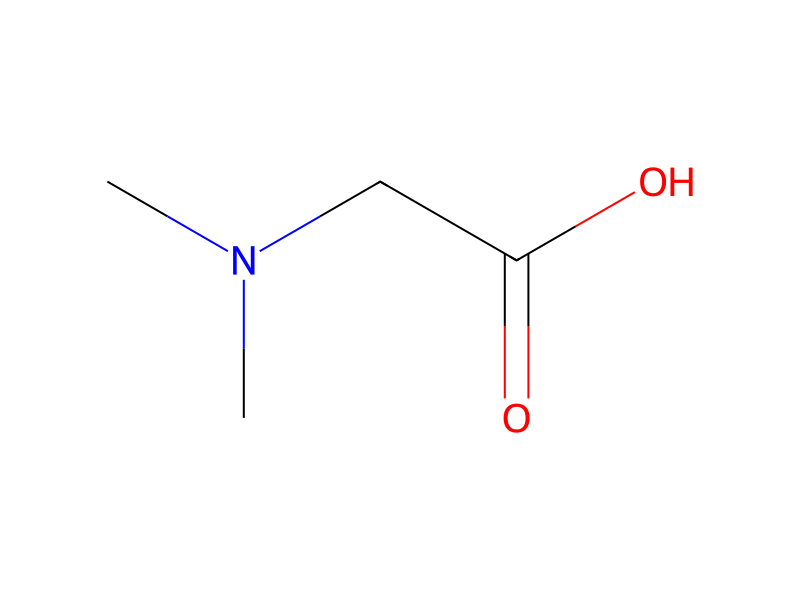
A stirred suspension consisting of N,N-dimethylglycine (6.0 mmol), anhydrous sodium acetate (40 mmol), methyl 3-bromo-4-methoxybenzoate (20 mmol, 4.90 g), N,N-diisopropylacrylamide (24 mmol, 3.72 g), bis-(benzonitrile)-palladium-II chloride (1.5 mol %), and 20 ml of N-methyl-2-pyrrolidinone was heated at 130° C. until no starting material could be detected by tlc (starting material methyl 3-bromo-4-methoxybenzoate: Rf 0.73; N,N-diisopropylacrylamide: Rf 0.46; solvent system (1)). After cooling to room temperature 50 ml of an aqueous 2N HCl solution was added. The reaction was diluted with dichloromethane (50 ml) and the precipitated grey palladium metal was filtered off. The organic phase was washed with five portions (50 ml each) of 2N aqueous hydrochloric acid, dried (MgSO4) and evaporated to dryness. The remaining off-white solid was recrystallized from ethyl acetate/n-hexane to give 4.40 g (E)-N,N-diisopropyl-3-(2-methoxy-5-methoxycarbonylphenyl)acrylamide in 69% yield, m.p. 139-140° C., tlc: (1) Rf 0.40. NMR (CD2Cl2): 21.22, 22.10, 46.39, 48.87, 52.59, 56.61, 111.42, 123.39, 123.78, 125.54, 130.32, 132.53, 135.07. MS (EI, DI, 105° C.): 319 (M+−, 22), 304 (6%), 276 (8%), 219 (100%), 187 (18%), 160 (7%).