Ethanol → Ethyl 2-(4-amino-3-hydroxyphenyl)acetate
HRID 1357858
Reaktionsgleichung

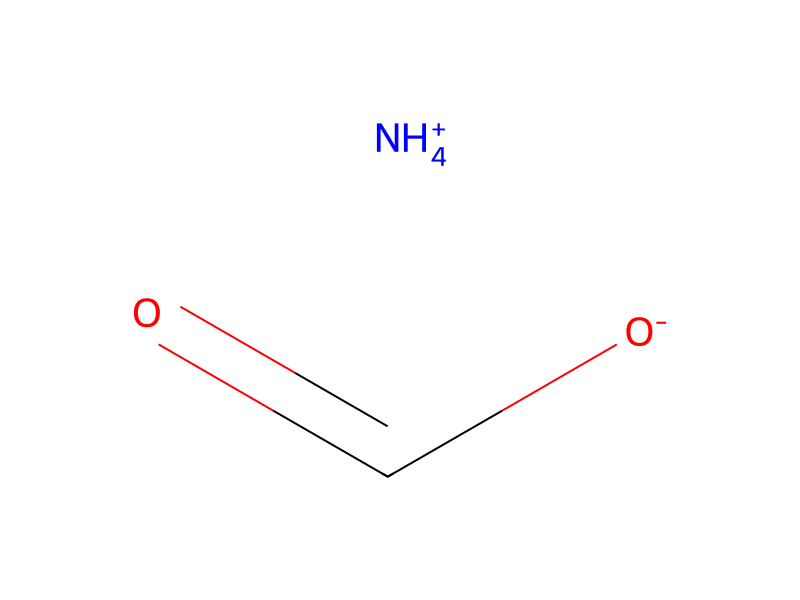
C1(C)C=CC=CC=1NC1[O:9][C:10]2[CH:16]=[C:15]([CH2:17][CH2:18]C(NC3C=CC([C@H](C)CC(O)=O)=CC=3)=O)[CH:14]=[CH:13][C:11]=2[N:12]=1.C([O-])=[O:36].[NH4+].[CH2:39]([OH:41])[CH3:40]>[Pd]>[NH2:12][C:11]1[CH:13]=[CH:14][C:15]([CH2:17][C:18]([O:41][CH2:39][CH3:40])=[O:36])=[CH:16][C:10]=1[OH:9]Komponenten
5