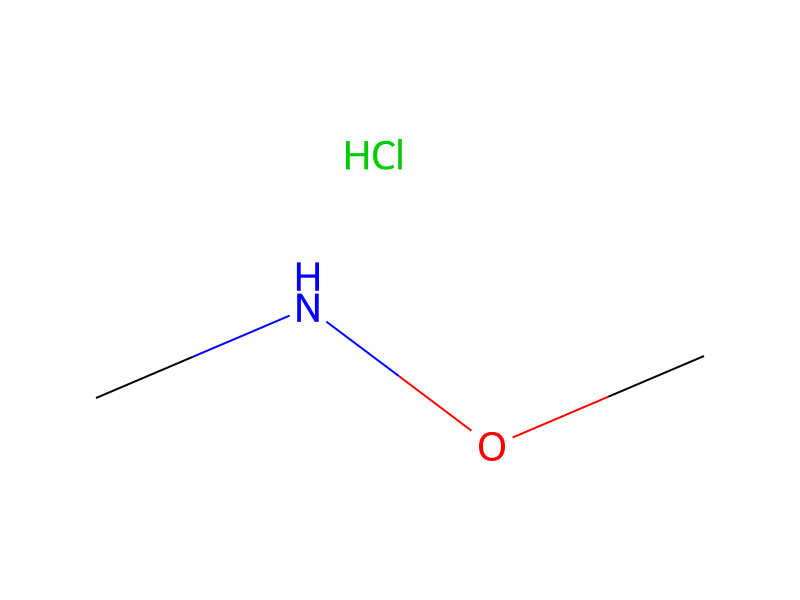
To a solution of 3-bromoisoxazole-5-carboxylic acid (2.85 g, 14.8 mmol) in DMF (74 mL) was added 2-(7-aza-1H-benzotriazole-1-yl)-1,1,3,3-tetramethyluronium hexafluorophosphate (HATU) (6.89 g, 18.1 mmol). The solution was cooled (0° C.) and DIPEA (10.5 mL, 60.3 mmol) was added followed by N,O-dimethylhydroxylamine hydrochloride (1.81 g, 18.6 mmol) and the reaction was maintained at room temperature. After 25 hours, DMAP (183 mg, 1.50 mmol) was added. After 38 hours, the mixture was diluted with EtOAc and washed with saturated aqueous NaHCO3, saturated aqueous NH4Cl, water, brine, dried over Na2SO4, filtered and concentrated in vacuo. The crude material was purified by silica gel chromatography eluting with a gradient of 0%-100% EtOAc in heptane to afford 3-bromo-isoxazole-5-carboxylic acid methoxy-methyl-amide as a pale yellow solid. MS m/z 235 (M), 237 (M+2).