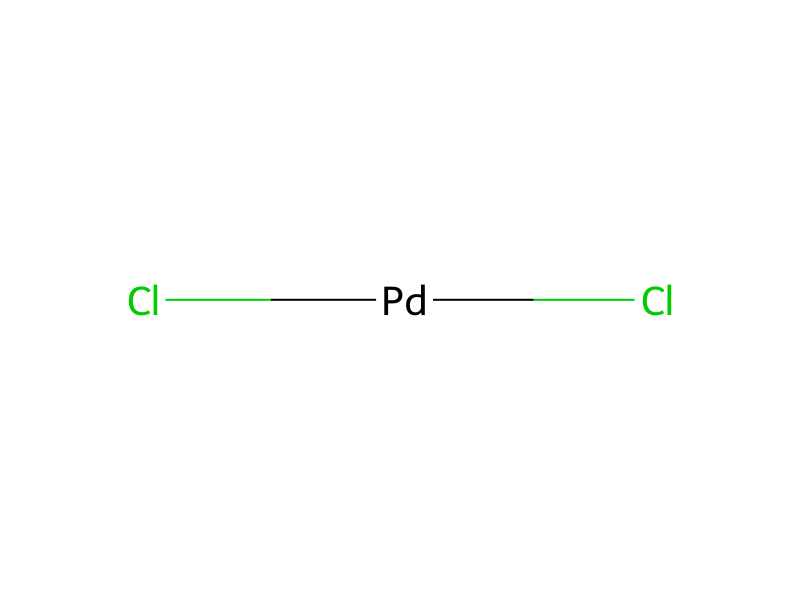
Br[C:2]1[CH:3]=[C:4]([CH:8]=[CH:9][CH:10]=1)[C:5]([NH2:7])=[O:6].[OH:11][C:12]1[CH:13]=[C:14](B(O)O)[CH:15]=[CH:16][CH:17]=1.C([O-])([O-])=O.[K+].[K+].Cl>[N+](CCCC)(CCCC)(CCCC)CCCC.[Br-].CC(C)=O.Cl[Pd]Cl.O.CCO>[OH:11][C:12]1[CH:17]=[C:16]([C:2]2[CH:10]=[CH:9][CH:8]=[C:4]([C:5]([NH2:7])=[O:6])[CH:3]=2)[CH:15]=[CH:14][CH:13]=1To a 5 L 3-neck round bottom flask was charged with 3-bromobenzamide (128.29 g, 0.64 mol), EtOH (1274 mL), PdCl2 (0.588 g, 3.3 mmol, 0.005 equivalents), 3-hydroxyphenyl boronic acid (93 g, 0.67 mol. 1.05 equivalents), K2CO3 (177 g, 1.28 mol, 2 equivalents) and nBu4NBr (10.3 g, 0.032 mol, 0.05 equivalents). The reaction mixture was stirred at room temperature for approximately 16 hours. Upon completion of the reaction, a 10% aqueous HCl solution was added to the reaction mixture until the pH reached 1-2. The reaction mixture was extracted with EtOAc. The organic phases were combined and filtered through celite. The organic solvents were then removed under vacuum to obtain an orange solid. The solid was dissolved in acetone (200-300 mL) and water (1700 mL) was added. The reaction mixture was stirred for 1 hour at approximately 5-10° C. The product was collected by filtration as a white solid and dried under vacuum at 40-45° C. (132.9 g, 0.62 mol, 98%).