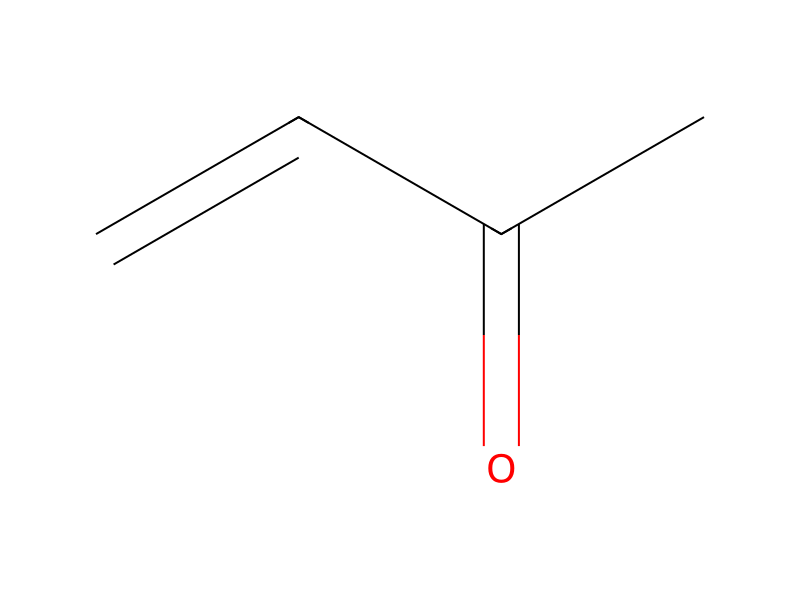
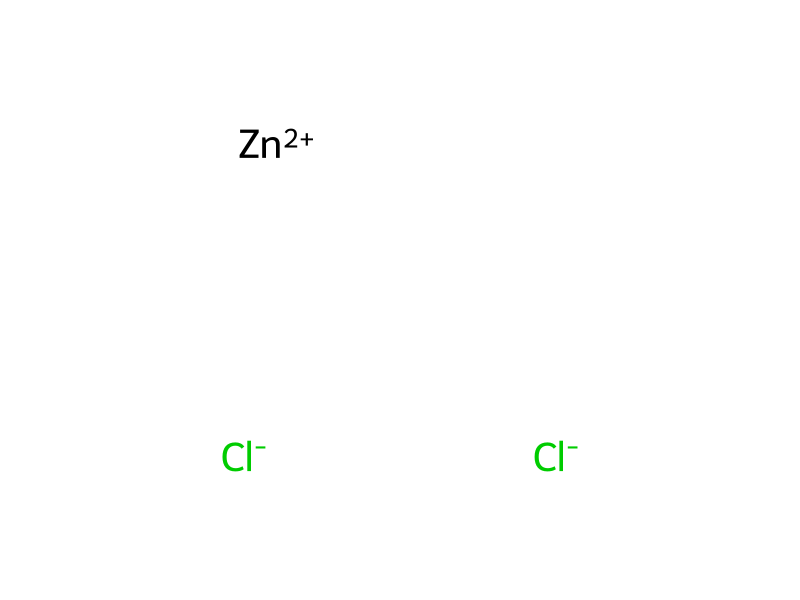
25 g of a mixture of 85% of 2-nitrothiophene and 15% of 3-nitrothiophene and 375 ml of a 37% aqueous solution of hydrochloric acid were mixed together and then, at 30° C. over about one hour, 50 g of tin in granules were introduced in small portions. The mixture was stirred at 30° C. until the metal had disappeared (4 hours in all) and 50 ml of ethanol, 22 g of anhydrous ferric chloride and 0.5 g of anhydrous zinc chloride were added. Then at 60° C. over about one hour, 30 ml of methyl vinyl ketone and 60 ml of ethanol were introduced with stirring at 80° C. for two hours and at 20° C. for 16 hours. The reaction mixture was poured onto ice and carbon tetrachloride and concentrated ammonia were added to pH 9. After filtering on hyflosupercel and decanting, the aqueous phase was extracted with carbon tetrachloride, then dried and concentrated to dryness by distilling under reduced pressure. The 9.8 g of residue were chromatographed over silica under nitrogen pressure and eluted with a gradient of 100% of methylene chloride to 100% of ethyl acetate to obtain 7.55 g of 4-methyl thieno[2,3-b]pyridine.