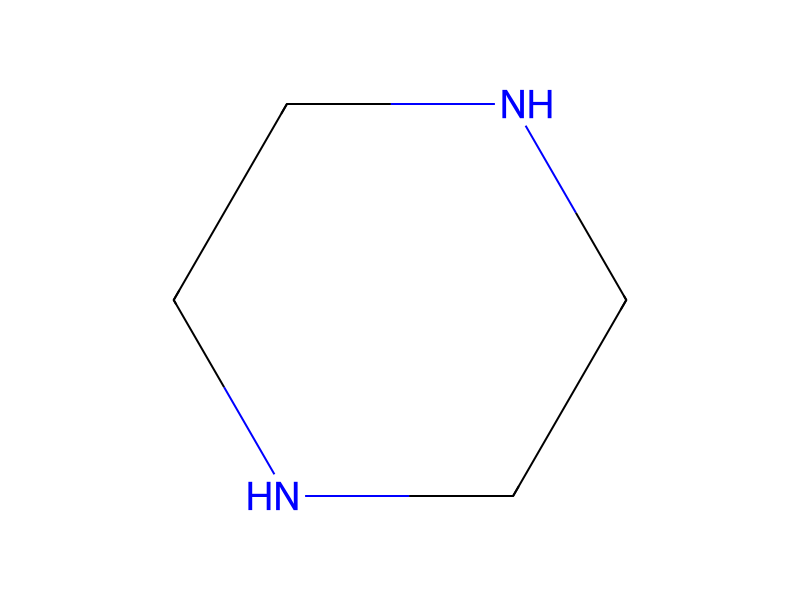
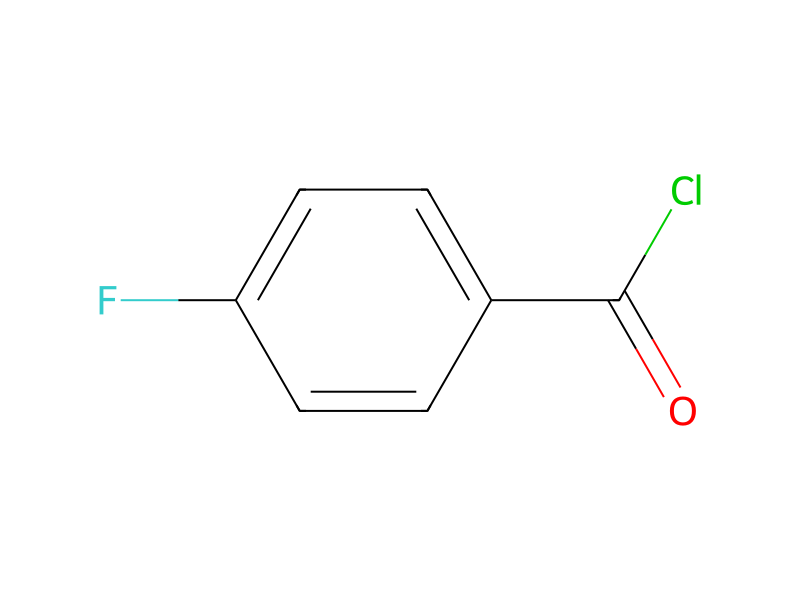
Concentrated hydrochloric acid was added dropwise to a solution of piperazine (0.124 mol) in water (110 ml) to adjust the pH to 2.8. The solution was then heated to 50° C. 4-Fluorobenzoyl chloride (0.124 mol) was added to the warm solution dropwise while maintaining the pH at 2.8 by the concurrent addition of 40% aqueous sodium acetate solution. After complete addition, a solution of potassium carbonate (47 g) in water (50 ml) was added and the mixture cooled in an ice bath. The cold mixture was extracted with chloroform (5×150 ml). The combined extracts were dried (MgSO4) and evaporated in vacuo affording 22.5 g of a white solid (88% yield). Spectral data are consistent with the assigned structure. This material was used without further purification.