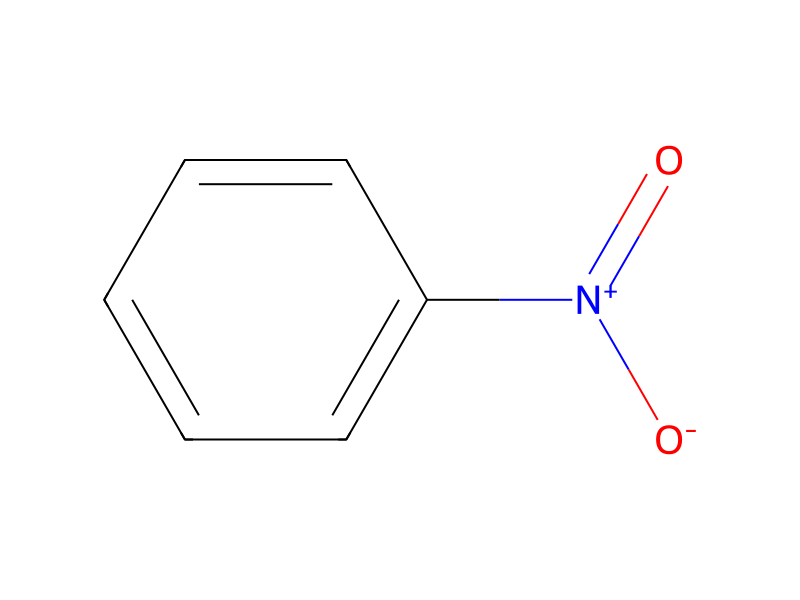
To a solution of 5.00 g (24 mmol) of 2-amino-3-chloro-1,4-dihydro-1,4-dioxonaphthalene in 50 mL of nitrobenzene, 14.6 mL (120 mmol) of 3-fluorobenzoic acid chloride are added; after 5 min of stirring, 0.50 mL of concentrated sulfuric acid is then added with protection from light. After 24 h of reflux and complete cooling, 200 mL of ether are added to the reaction mixture. The precipitate formed is filtered, then redissolved in 200 mL of dichloromethane, to which 100 mL of a glacial sodium hydroxide solution are added. After 6 h of stirring at this temperature, the organic phase is extracted, washed several times with water and dried over calcium chloride. The solid obtained after evaporation of the solvent is purified on a medium-pressure column (support: silica; conditioning heptane; eluant: dichloromethane/heptane, 50/50). The yellow crystals so obtained are uncolored and recrystallized in a dichloromethane/heptane mixture (volume/volume) to produce 0.50 g of 4,9-dihydro-4,9-dioxo-2-(3-fluorophenyl)-naphtho[2,3-d]oxazole in the form of yellow crystals.