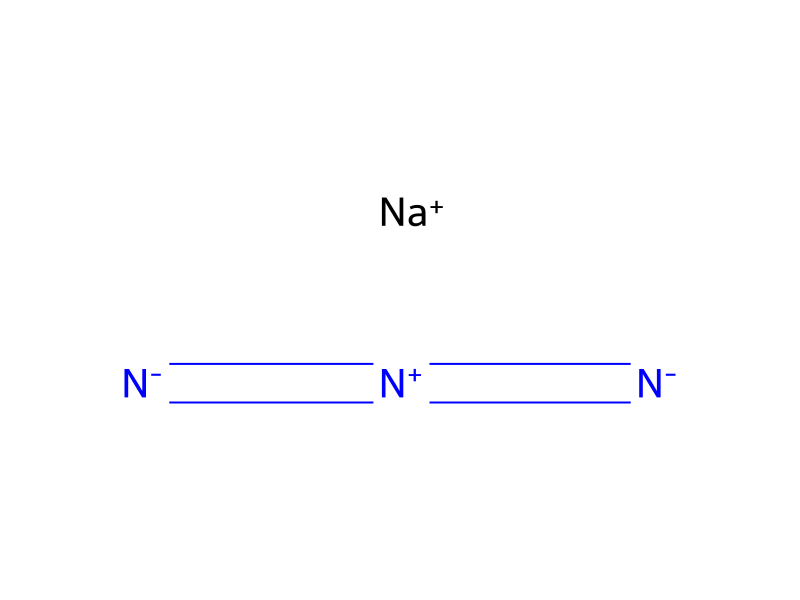
[F:1][C:2]1[CH:3]=[CH:4][C:5]2[O:9][C:8]([C:10]3[C:19]([N:20]([CH3:24])[CH:21]([CH3:23])[CH3:22])=[N:18][C:17]4[C:12](=[CH:13][CH:14]=[C:15]([C:25]#[N:26])[CH:16]=4)[N:11]=3)=[CH:7][C:6]=2[CH:27]=1.[N-:28]=[N+:29]=[N-:30].[Na+]>CS(C)=O.O.[Zn+2].[Br-].[Br-]>[F:1][C:2]1[CH:3]=[CH:4][C:5]2[O:9][C:8]([C:10]3[C:19]([N:20]([CH3:24])[CH:21]([CH3:23])[CH3:22])=[N:18][C:17]4[C:12]([N:11]=3)=[CH:13][CH:14]=[C:15]([C:25]3[NH:30][N:29]=[N:28][N:26]=3)[CH:16]=4)=[CH:7][C:6]=2[CH:27]=1To a solution of 2-(5-fluorobenzofuran-2-yl)-3-[methyl(propan-2-yl)amino]quinoxaline-6-carbonitrile (150 mg, 0.42 mmol) in DMSO (30 ml) and water (2 ml) was added ZnBr2 (46.9 mg, 0.21 mmol) and NaN3 (81.3 mg, 1.25 mmol), and the resulting mixture was stirred for 48 h at 130° C. The reaction mixture was quenched with water (100 ml) and adjusted to pH 3 with HCl (2N), extracted with ethyl acetate (4×60 ml), and the organic layers combined and concentrated in vacuo to give the residue, which was purified by silica gel column chromatography (12% methanol in dichloromethane) to afford 3-(5-fluorobenzofuran-2-yl)-N-methyl-N-(propan-2-yl)-7-(1H-tetrazol-5-yl)quinoxalin-2-amine as a yellow solid (62.6 mg, 37%).