StartseiteMCPWorkbenchSkills
StartseiteWorkbenchBenachrichtigungenMein Bereich
llms.txt · MCP-AnleitungDatenschutz · Nutzungsbedingungen · Supportv1.8.0
  1. Startseite
  2. /Reaktion

Phosphate → Tert-butyl ((2S,3R)-4-chloro-3-hydroxybutan-2-YL)carbamate

HRID 1406052
Notizen
Druckvorschau

Reaktionsgleichung

Reaktionsgleichung von HRID 1406052
P([O-])([O-])([O-])=O.[K+].[K+].[K+].P([O-])(O)(O)=O.[K+].P([O-])([O-])(O)=O.[K+].[K+].P([O-])([O-])([O-])=O.C1C=[N+]([C@H]2O[C@@H](COP(OP(OC[C@H]3O[C@@H](N4C5N=CN=C(N)C=5N=C4)[C@H](OP(O)(O)=O)[C@@H]3O)(O)=O)([O-])=O)[C@H](O)[C@@H]2O)C=C(C(N)=O)C=1.[Na][Na].[Cl:77][CH2:78][C:79](=[O:90])[C@@H:80]([NH:82][C:83](=[O:89])[O:84][C:85]([CH3:88])([CH3:87])[CH3:86])[CH3:81]>[Cl-].[Mg+2].[Cl-].O.CC(O)C.O.O.O.O.O.O.[Cl-].[Mg+2].[Cl-].C(OCC)(=O)C.COC(C)(C)C>[Cl:77][CH2:78][C@H:79]([OH:90])[C@@H:80]([NH:82][C:83](=[O:89])[O:84][C:85]([CH3:87])([CH3:86])[CH3:88])[CH3:81]
KomponentenReaktionsbedingungenVersuchsvorschriftAufarbeitungQuellen und NachweiseNotizen zur Reaktion

Komponenten

14

Edukt 7

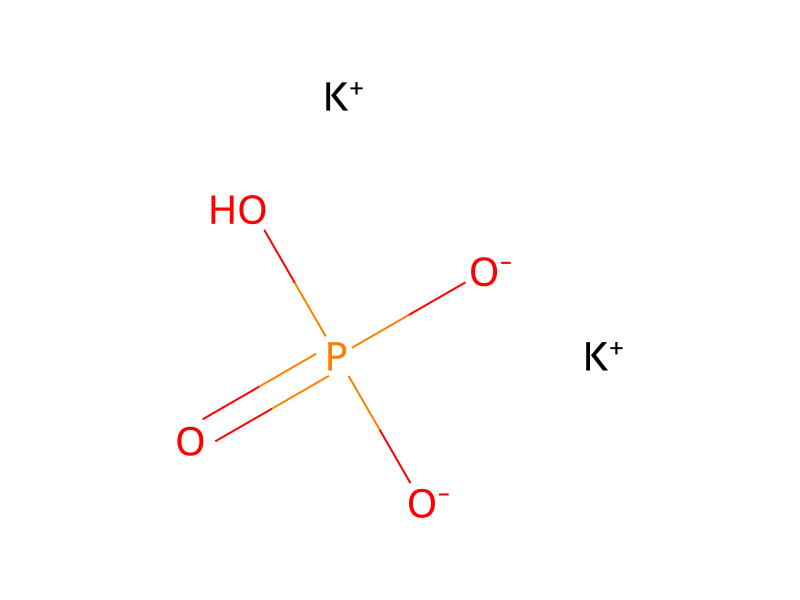
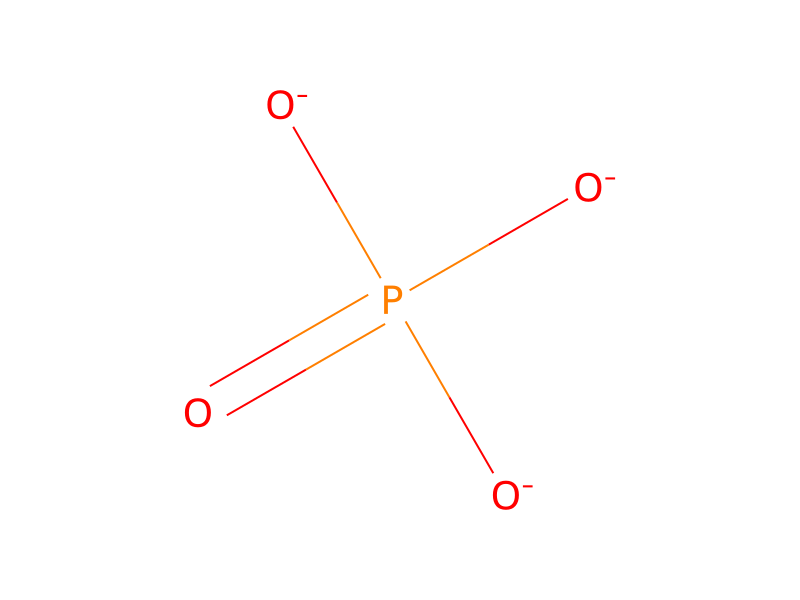
HCID 1061PhosphateHCID 24450Potassium Phosphate, DibasicHCID 62657Potassium Phosphate, TribasicHCID 141233DisodiumHCID 516951Monobasic potassium phosphateHCID 13532962tert-butyl N-((2S)-4-chloro-3-oxobutan-2-yl)carbamate
HCID 71717786
[[(2R,3R,4R,5R)-5-(6-aminopurin-9-yl)-3-hydroxy-4-phosphonooxyoxolan-2-yl]methoxy-hydroxyphosphoryl] [(2S,3R,4S,5S)-5-(3-carbamoylpyridin-1-ium-1-yl)-3,4-dihydroxyoxolan-2-yl]methyl phosphate

Produkt 1

HCID 90087020Tert-butyl ((2S,3R)-4-chloro-3-hydroxybutan-2-YL)carbamateAusbeute 28 %

Reagenzien, Katalysatoren, Lösungsmittel 6

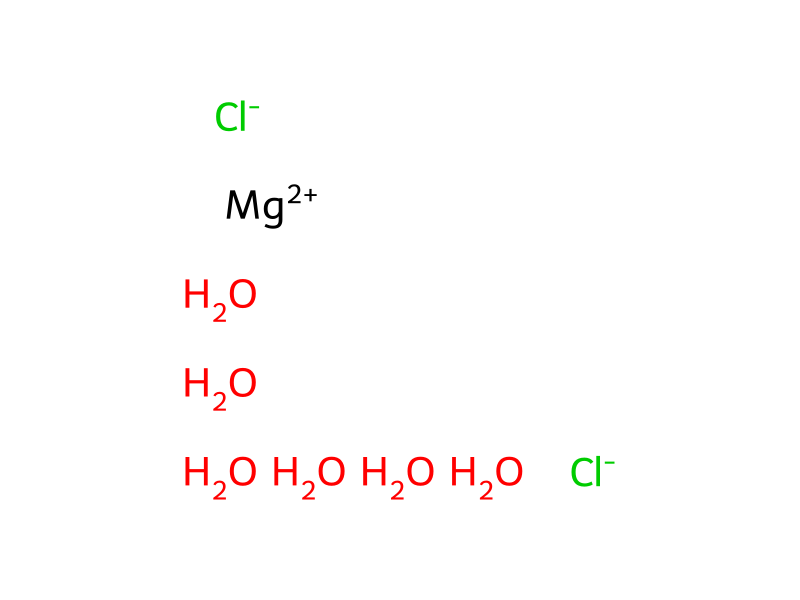
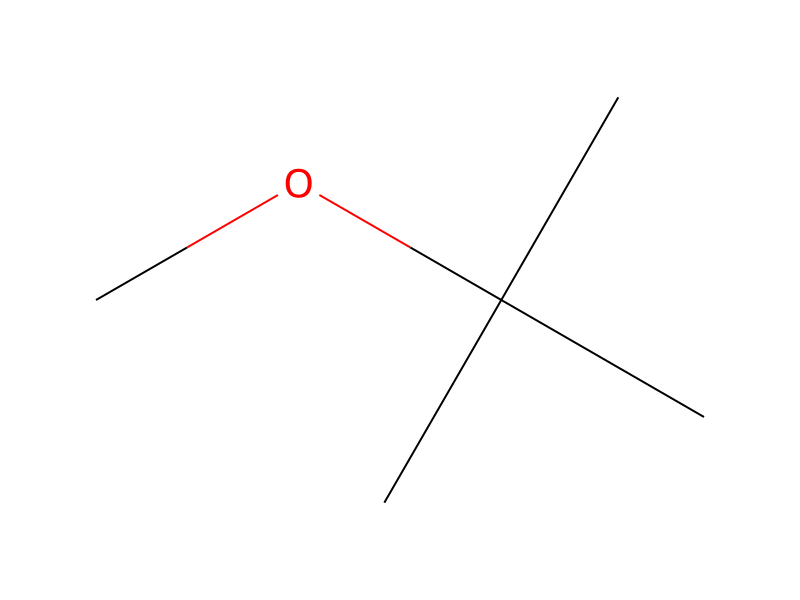
HCID 24644Magnesium chloride hexahydrateKatalysatorHCID 962WaterLösungsmittel2×HCID 3776IsopropanolLösungsmittel2×HCID 8857Ethyl AcetateLösungsmittelHCID 15413tert-Butyl methyl etherLösungsmittelHCID 5360315Magnesium ChlorideLösungsmittel

Reaktionsbedingungen

Temperatur
22 °C

Versuchsvorschrift

A 0.1 M potassium phosphate buffer, 2.0 mM in magnesium chloride, was prepared by combining potassium dihydrogenphosphate (9.86 g, 72.4 mmol), potassium hydrogenphosphate (22.2 g, 127 mmol) and magnesium chloride hexahydrate (0.812 g, 4.0 mmol) in water (2 L); the pH of the resulting solution was 7.05. To this phosphate buffer (1.8 L) was added nicotinamide adenine dinucleotide phosphate, disodium salt trihydrate (1.9 g, 2.4 mmol) and ketoreductase enzyme (Codexis, KRED-P1-E05) (8 g), and the mixture was stirred for 45 minutes at 22° C. to dissolve the ketoreductase. A solution of tert-butyl [(2S)-4-chloro-3-oxobutan-2-yl]carbamate (C43) (50.0 g, 226 mmol) in 2-propanol (200 mL) was added, and the resulting suspension was stirred for 46 hours at 30° C., under a nitrogen flow (10 mL/minute) from a sparge inlet containing 2-propanol and water (1:1, 300 mL). At this point, tert-butyl methyl ether (1 L) was added to the reaction mixture, which was swirled for 20 minutes. The resulting emulsion was filtered through diatomaceous earth (200 g), and the filter cake was broken and washed with tert-butyl methyl ether (3×400 mL). The combined organic layers from the filtrates were dried with sodium sulfate (625 g), filtered, and concentrated in vacuo to afford the crude product as a red oil (50 g). This material was mixed with ethyl acetate (80 mL) and treated with decolorizing carbon (5 g) over 10 minutes with gentle heating. After filtration through Celite, the solution was concentrated in vacuo and mixed with warm hexanes (40 mL) under stirring. After 18 hours, the resulting solid was collected via filtration and rinsed with pentane, providing the product as a white powder (14.14 g). The mother liquor was concentrated under reduced pressure to yield an oil (32 g), which was crystallized in the same way using warm hexanes (30 mL) to obtain additional product as a white powder (13.65 g). Total yield: 27.79 g, 124 mmol, 55%. 1H NMR (400 MHz, CDCl3) δ 4.77 (br s, 1H), 3.77-3.87 (m, 1H), 3.69-3.76 (m, 1H), 3.65 (dd, half of ABX pattern, J=11.1, 3.9 Hz, 1H), 3.53 (dd, half of ABX pattern, J=11.3, 8.0 Hz, 1H), 3.00 (br s, 1H), 1.45 (s, 9H), 1.26 (d, J=6.8 Hz, 3H).

Aufarbeitung

  1. dissolutionto dissolve the ketoreductase
  2. stirringthe resulting suspension was stirred for 46 hours at 30° C., under a nitrogen flow (10 mL/minute) from a sparge inlet
  3. waitwas swirled for 20 minutes
  4. filtrationThe resulting emulsion was filtered through diatomaceous earth (200 g)
  5. washwashed with tert-butyl methyl ether (3×400 mL)
  6. dry with materialThe combined organic layers from the filtrates were dried with sodium sulfate (625 g)
  7. filtrationfiltered
  8. concentrationconcentrated in vacuo
  9. customto afford the crude product as a red oil (50 g)
  10. additiontreated with decolorizing carbon (5 g) over 10 minutes with gentle heating
  11. filtrationAfter filtration through Celite
  12. concentrationthe solution was concentrated in vacuo
  13. additionmixed with warm hexanes (40 mL)
  14. stirringunder stirring
  15. waitAfter 18 hours
  16. filtrationthe resulting solid was collected via filtration
  17. washrinsed with pentane

Quellen und Nachweise

ORD-Eintrag
ord-e4076e84149e4f05acf585540fa7d0f3
Quelldatensatz
uspto-grants-2014_12
DOI
10.6084/m9.figshare.5104873.v1
Patentnummer
US08916564B2

Notizen zur Reaktion

Wird geladen…

Auf dieser SeiteKomponentenReaktionsbedingungenVersuchsvorschriftAufarbeitungQuellen und NachweiseNotizen zur Reaktion