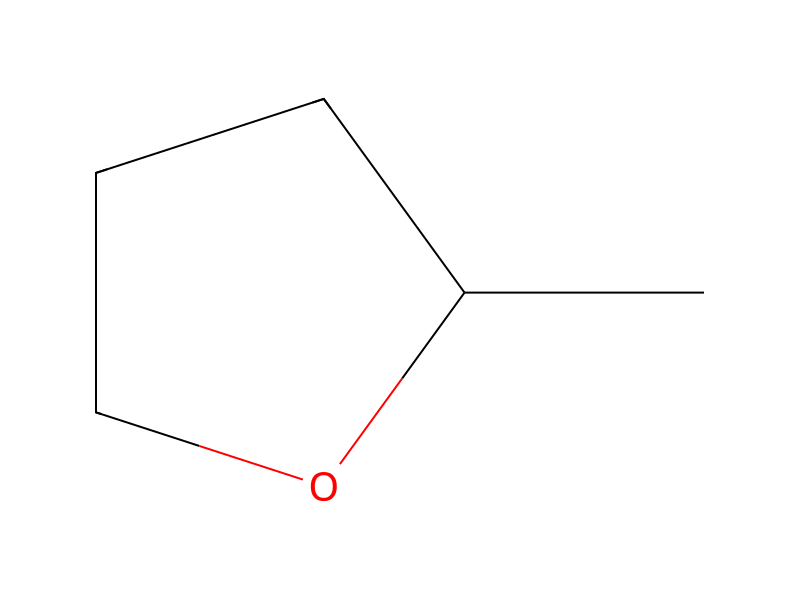
S(Cl)(Cl)=O.C(N(C(C)C)C(C)C)C.[CH:14]1([NH:20][C:21]2[CH:26]=[CH:25][CH:24]=[CH:23][N:22]=2)[CH2:19][CH2:18][CH2:17][CH2:16][CH2:15]1.[CH3:27][CH:28]1[CH2:32][CH2:31][CH2:30][O:29]1.[C:33]1([CH3:39])[CH:38]=CC=[CH:35][CH:34]=1>O>[CH:14]1([N:20]([C:21]2[CH:26]=[CH:25][CH:24]=[CH:23][N:22]=2)[C:30](=[O:29])/[CH:31]=[CH:32]/[C:28]2[CH:35]=[CH:34][C:33]([CH3:39])=[CH:38][CH:27]=2)[CH2:19][CH2:18][CH2:17][CH2:16][CH2:15]15.50 g (0.034 mol) of 4-methylcinammic acid, 61 ml of toluene and 0.27 g (3.7 mmol) g of N,N-dimethylormamide are provided and mixed with 4.8 g (0.041 mol) of thionyl chloride. Stirring takes place for 1 hour followed by heating to 50° C. The toluene and excess thionyl chloride are drawn off under vacuum. Then 18 ml of toluene and 4.8 g (0.037 mol) of ethyldiisopropylamine are added at 60° C. A solution of 6.8 g (0.037 mol) of cyclohexyl-2-pyridylamine in toluene is added and stirred for 1 hour at 60° C. Hydrolysis with water is performed and 2-methyltetrahydrofuran is added. The organic phase is separated and washed with water, 1 N NaOH and again with water. The organic phase is rotated and the residue crystallised from MTBE. The crystallised solid is drawn off, washed with MTBE and dried, wherein the desired compound is obtained.