StartseiteMCPSkillsWorkbenchOpenChem
StartseiteWorkbenchBenachrichtigungenMein Bereich
llms.txt · skill.md · MCP-AnleitungDatenschutz · Nutzungsbedingungen · Supportv1.8.4
  1. Startseite
  2. /Reaktion

Benzyl Alcohol → Benzyl 2-(4-bromophenyl)acetate

HRID 1454090
Drucken

Reaktionsgleichung

C(N1CCOCC1)=O.[Br:9][C:10]1[CH:15]=[CH:14][C:13]([CH2:16][C:17]([OH:19])=[O:18])=[CH:12][CH:11]=1.C(Cl)(=O)C(Cl)=O.[CH2:26](O)[C:27]1[CH:32]=[CH:31][CH:30]=[CH:29][CH:28]=1>ClCCl>[Br:9][C:10]1[CH:11]=[CH:12][C:13]([CH2:16][C:17]([O:19][CH2:26][C:27]2[CH:32]=[CH:31][CH:30]=[CH:29][CH:28]=2)=[O:18])=[CH:14][CH:15]=1
KomponentenVersuchsvorschriftAufarbeitungQuellen und NachweiseNotizen zur Reaktion

Komponenten

6

Edukt 4

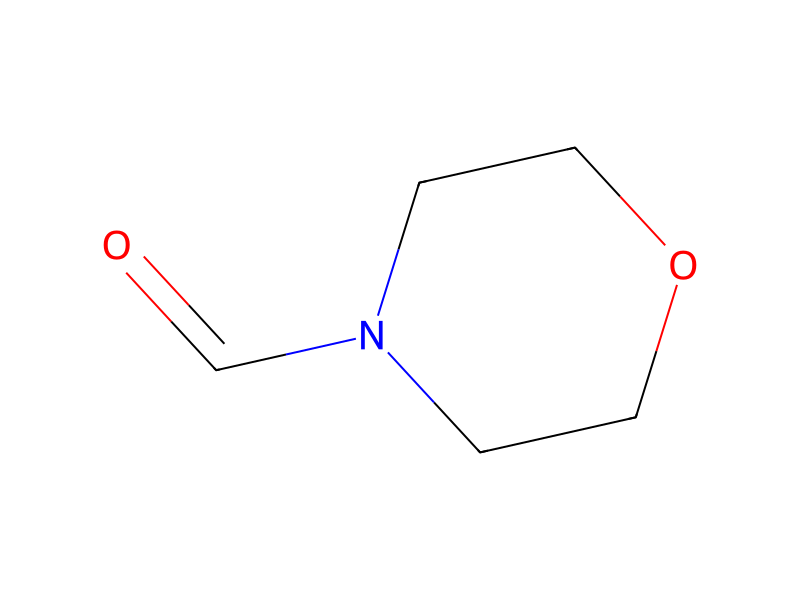
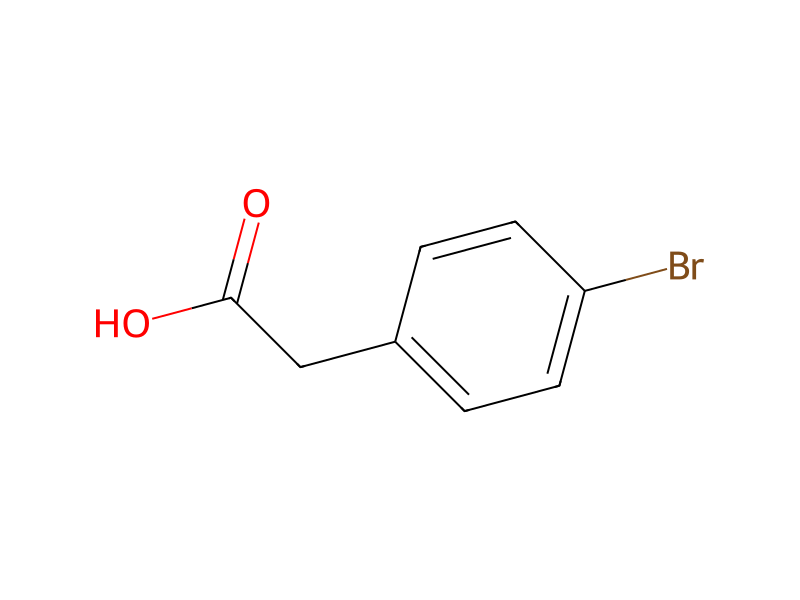
HCID 244Benzyl AlcoholHCID 20417N-FormylmorpholineHCID 65578Oxalyl chlorideHCID 74654Benzeneacetic acid, 4-bromo-

Produkt 1

HCID 14888723Benzyl 2-(4-bromophenyl)acetateAusbeute 95,1 %

Reagenzien, Katalysatoren, Lösungsmittel 1

HCID 6344
Dichloromethane
Lösungsmittel

Versuchsvorschrift

4-Formylmorpholine (50 μL) was added to a stirred solution of 4-bromophenylacetic acid (5.00 g, 23.3 mmol) and oxalyl chloride (5.89 g, 4.05 mL, 46.6 mmol) in dichloromethane (30 mL) under nitrogen at room temperature. When gas evolution ceased the volatiles were evaporated and the residue was taken up in dichloromethane (30 mL). Benzyl alcohol (2.52 g, 2.41 mL, 23.3 mmol) was added in one portion and stirring was continued under nitrogen for 2 h. The volatiles were evaporated and the residue partitioned between dichloromethane (50 mL) and saturated sodium hydrogen carbonate solution (50 mL). The phases were separated and the aqueous phase was washed with dichloromethane (2×50 mL). The organic layers were combined, dried (magnesium sulfate) and the solvent evaporated. The residue was chromatographed on silica gel (20% diethyl ether: cyclohexane) to give the title compound as a white solid (6.76 g, 95%). LC/MS: 3.57 min; z/e 322 and 324, calcd (M+18) 322 and 324. 1H NMR (400 MHz: CDCl3): 7.45 (2H), 7.30 (5H), 7.15 (2H), 5.15 (2H), 3.60 (2H).

Aufarbeitung

  1. customwere evaporated
  2. customThe volatiles were evaporated
  3. customthe residue partitioned between dichloromethane (50 mL) and saturated sodium hydrogen carbonate solution (50 mL)
  4. customThe phases were separated
  5. washthe aqueous phase was washed with dichloromethane (2×50 mL)
  6. dry with materialdried (magnesium sulfate)
  7. customthe solvent evaporated
  8. customThe residue was chromatographed on silica gel (20% diethyl ether: cyclohexane)

Quellen und Nachweise

ORD-Eintrag
ord-1490c0db687742b1b887a190d47f3928
Quelldatensatz
uspto-grants-2009_01
DOI
10.6084/m9.figshare.5104873.v1
Patentnummer
US07476759B2

Notizen zur Reaktion

Auf dieser SeiteKomponentenVersuchsvorschriftAufarbeitungQuellen und NachweiseNotizen zur Reaktion