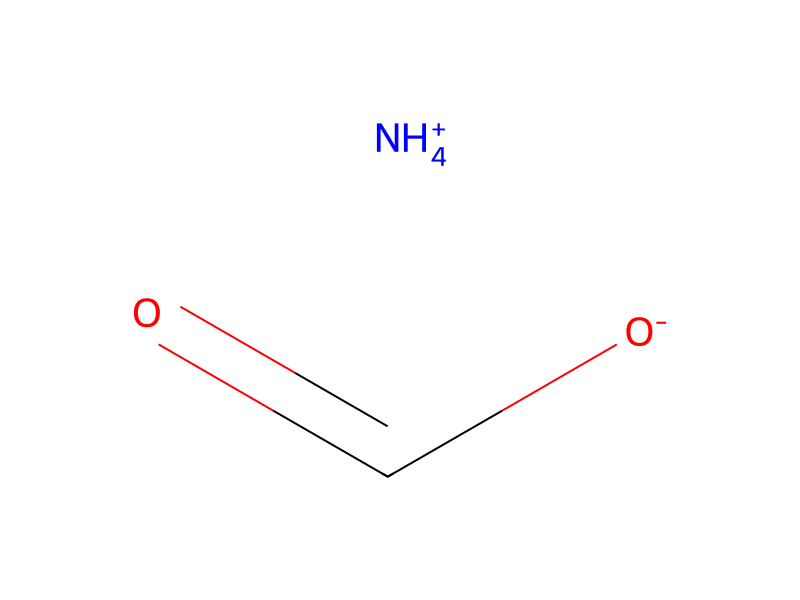
A round bottom flask under N2 was charged with 10% Pd/C (0.99 g) and ethyl alcohol (50 mL) followed by 3-[2-(4-methylpiperazin-1-yl)-benzylidene]-pyrrolidin-2-one (3.00 g, 11.1 mmol) and ammonium formate (6.97 g, 110.6 mmol). The reaction mixture was stirred at room temperature for 1 hour then heated to 50° C. for 3 hours. The reaction mixture was cooled to room temperature and filtered through Celite™ under N2. The Celite™ pad was washed with ethyl alcohol (25 mL) and water (10 mL). The filtrate was evaporated to give white solids which were partitioned between ethyl acetate (25 mL) and H2O (10 mL). The aqueous layer was extracted with additional ethyl acetate (2×25 mL). The combined organic extracts were washed with brine, dried (Na2SO4) and concentrated to a white solid (2.90 g, 96%). The material could be used crude or triturated with ethyl acetate (5 vol) to give 80% recovery of improved purity of the title compound. 13C NMR (100 MHz, CDCl3) d 180.6, 152.1, 135.5, 130.4, 127.5, 124.5, 120.8, 55.9, 52.9, 46.4, 42.4, 40.6, 31.8, 27.3; MS (AP/Cl) 274.3 (M+H)+.