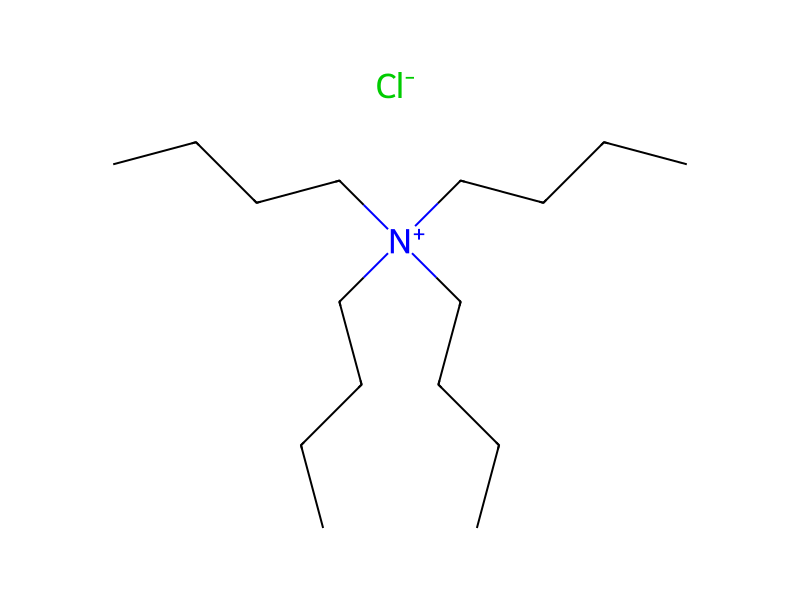
Br[C:2]1[CH:3]=[CH:4][C:5]([NH2:9])=[N:6][C:7]=1[CH3:8].[CH2:10]=[CH:11][C:12]1[CH:17]=[CH:16][CH:15]=[CH:14][CH:13]=1.C([O-])=O.[K+].C([O-])(O)=O.[Na+]>CN(C=O)C.[Cl-].C([N+](CCCC)(CCCC)CCCC)CCC.C([O-])(=O)C.[Pd+2].C([O-])(=O)C>[CH3:8][C:7]1[N:6]=[C:5]([NH2:9])[CH:4]=[CH:3][C:2]=1[CH:10]=[CH:11][C:12]1[CH:17]=[CH:16][CH:15]=[CH:14][CH:13]=15-Bromo-6-methyl-pyridin-2-ylamine (0.5 g), styrene (0.28 g) and potassium formate (0.68 g) were dissolved in DMF (5 mL). Tetrabutylammonium chloride (0.74 g) and palladium(II)acetate (30 mg) were added and the mixture was stirred under argon at 60° C. for 18 hours; a black suspension was obtained. The mixture was poured into saturated NaHCO3 solution (75 mL) and extracted with ethyl acetate. The organic layers were washed with brine, dried over Na2SO4 and evaporated. The residue was purified by flash chromatography (silica gel, gradient of ethyl acetate in heptane) to give 6-methyl-5-styryl-pyridin-2-ylamine (144 mg) as a 7:3 mixture of (E) and (Z) isomers as a white foam. MS (ESI): 211.3 (MH+). This material was contaminated with trace amounts of 6-methyl-5-phenethyl-pyridin-2-ylamine according to MS analysis.