Reaktionsgleichung

[O-2].[Ca+2].[O-2].[Mg+2].[CH2:5]1[C:14]2[C:9](=[CH:10][CH:11]=[CH:12][CH:13]=2)[CH2:8][CH2:7][CH2:6]1.[CH2:15]=[CH:16][CH3:17]>[O-2].[Fe+2]>[CH:16]([C:11]1[CH:10]=[C:9]2[C:14](=[CH:13][CH:12]=1)[CH2:5][CH2:6][CH2:7][CH2:8]2)([CH3:17])[CH3:15]Komponenten
Edukt 4
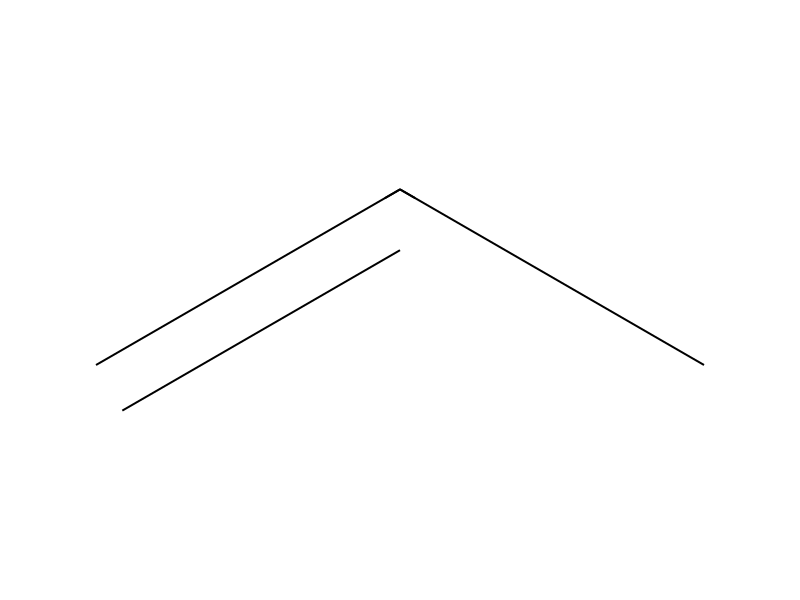


Produkt 1

Reagenzien, Katalysatoren, Lösungsmittel 1

Versuchsvorschrift
Bouncer, EP 160145A, has taught that tetralin can be selectively monoalkylated with olefins using as catalysts a wide pore amorphous silica-alumina. Muganlinsk et al., SU1076424-A have obtained [presumably] monoalkyltetralins in 95-98% yield by alkylating tetralins with aliphatic alcohols containing 4 to 10 carbon atoms using a sulfated silica-alumina (approximately 7:1) containing iron oxide, calcium oxide, and magnesium oxide. However, it seems likely that alkylation occurs via olefin arising from the alcohol, since olefinic oligomers are the principal side products of the reaction. The patentee in J81009958-B used a 7:1 silica-alumina in the alkylation of tetralin with propylene to give 6-isopropyltetralin in 92% yield. More recently Innes et al., U.S. Pat. No. 4,891,458, have used zeolite β to alkylate aromatic hydrocarbons with olefins of 2-4 carbon atoms in the liquid phase, claiming that zeolite β has a higher selectivity to the monoalkyl products and a longer catalyst lifetime than other zeolites.
Aufarbeitung
- customthe principal side products of the reaction
Quellen und Nachweise
- ORD-Eintrag
- ord-2d2e16af772b41cab6213fc04178d486
- Quelldatensatz
- uspto-grants-1991_12
- Patentnummer
- US05073654
Verknüpfte Notizen
Wird geladen…