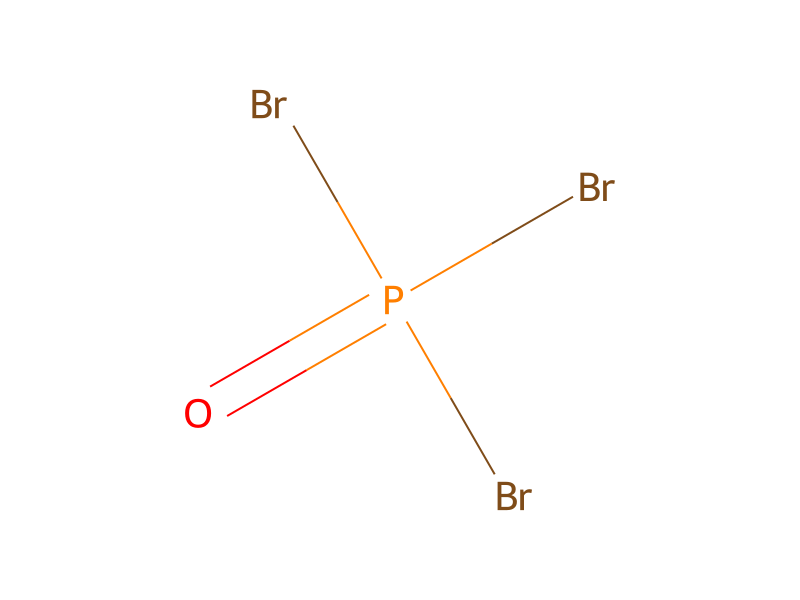
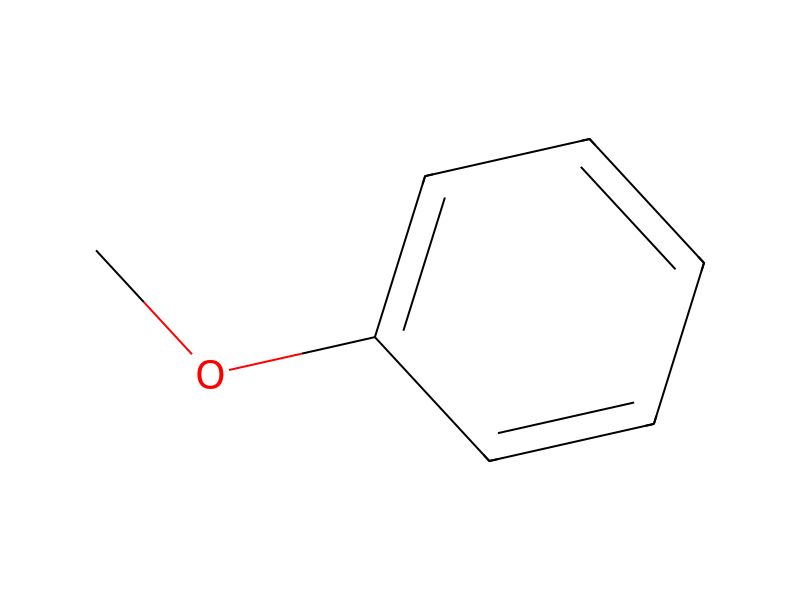
P(Br)(Br)([Br:3])=O.[CH2:6]([N:13]1[CH2:22][CH2:21][C:20]2[C:19](=O)[NH:18][CH:17]=[CH:16][C:15]=2[CH2:14]1)[C:7]1[CH:12]=[CH:11][CH:10]=[CH:9][CH:8]=1.C(=O)(O)[O-].[Na+]>C1(OC)C=CC=CC=1.C(#N)C.ClCCl>[CH2:6]([N:13]1[CH2:22][CH2:21][C:20]2[C:15](=[CH:16][CH:17]=[N:18][C:19]=2[Br:3])[CH2:14]1)[C:7]1[CH:12]=[CH:11][CH:10]=[CH:9][CH:8]=1Phosphorous oxybromide (7.5 g, 26 mmol) is added portion wise to a suspension of 6-benzyl-5,6,7,8-tetrahydro-2,6-naphthyridin-1(2H)-one (1.6 g, 6.7 mmol) in anisole (20 mL) and acetonitrile (10 mL). The reaction mixture is stirred under reflux for 4 hours. The cooled mixture is poured onto ice and diluted with dichloromethane. The mixture is slowly neutralized using saturated sodium bicarbonate solution. The aqueous phase is extracted with dichloromethane three times. The organic phase are combined and washed with brine, dried over Na2SO4 and taken to dryness by rotary evaporation. The crude product as purified by column chromatography on silica gel to afford 2-benzyl-5-bromo-1,2,3,4-tetrahydro-2,6-naphthyridine as a white solid. MS m/z 303.1 (M+1).
Wird geladen…