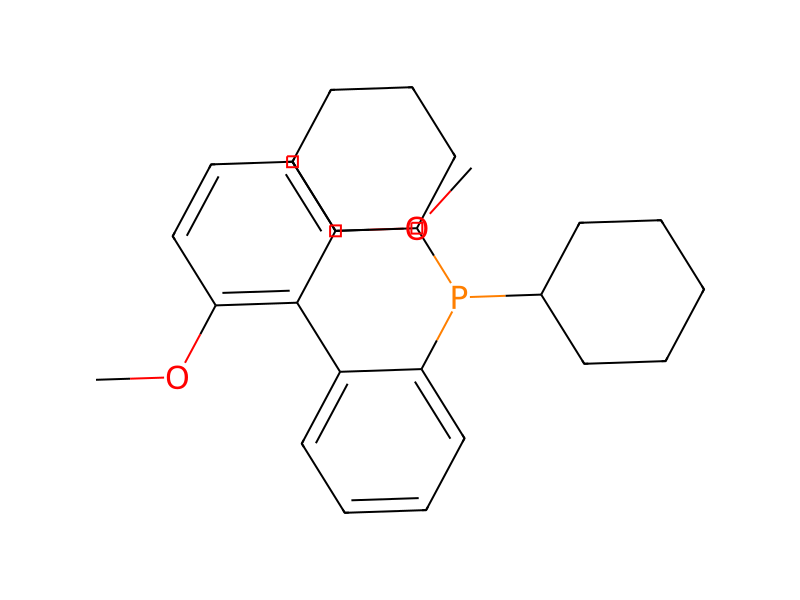
3-Amino-6-bromo-pyrazine-2-carboxylic acid methyl ester (1.0 g) (made according to J. Org. Chem. (1988), 59(9), 2052-5), palladium(II) acetate (0.101 g), and 2′-dicyclohexylphosphino-2,6-dimethoxy-1,1′-biphenyl (“S-Phos”) were placed in a flask with toluene (15 ml) and water (3 drops). Methyl boronic acid (0.394 g) and potassium phosphate (1.71 g) were added and the reaction mixture was heated to reflux for 24 hours. After allowing the reaction mixture to cool to ambient temperature, the mixture was diluted with aqueous hydrochloric acid (1M) and extracted with ethyl acetate. The combined organic extracts were concentrated and the residue was purified by column chromatography on silica gel (eluent: diethyl ether) to give 3-amino-6-methyl-pyrazine-2-carboxylic acid methyl ester as a yellow solid (0.114 g). 1H-NMR (400 MHz, CDCl3): 2.40 (s, 3H), 3.92 (s, 3H), 6.21 (bs, 2H), 8.03 (s, 1H) ppm.