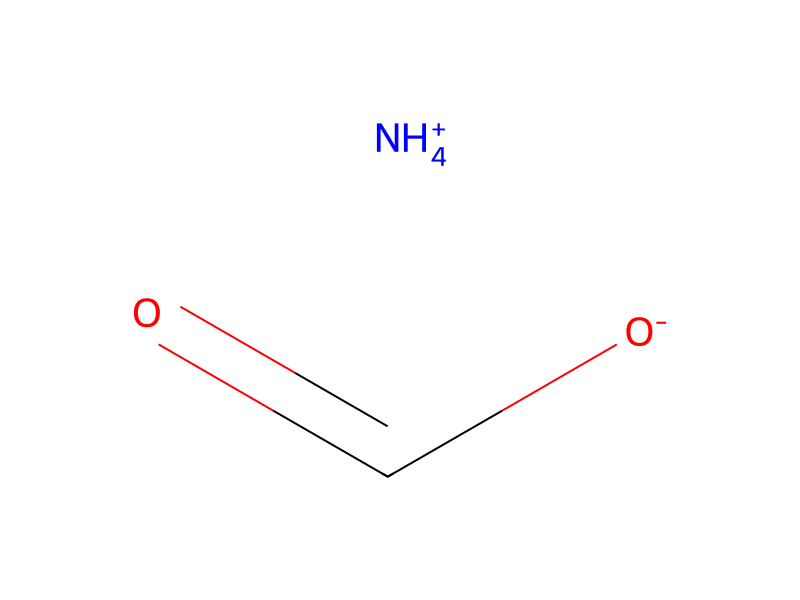
C([O:8][C:9]1[CH:18]=[CH:17][C:16]2[C:11](=[CH:12][CH:13]=[C:14]([O:19][CH3:20])[CH:15]=2)[C:10]=1[O:21][C:22]1[CH:37]=[CH:36][C:25]([O:26][CH2:27][CH2:28][N:29]2[CH2:35][CH2:34][CH2:33][CH2:32][CH2:31][CH2:30]2)=[CH:24][CH:23]=1)C1C=CC=CC=1.C([O-])=O.[NH4+]>C(OCC)(=O)C.CO.[Pd]>[N:29]1([CH2:28][CH2:27][O:26][C:25]2[CH:24]=[CH:23][C:22]([O:21][C:10]3[C:11]4[C:16](=[CH:15][C:14]([O:19][CH3:20])=[CH:13][CH:12]=4)[CH:17]=[CH:18][C:9]=3[OH:8])=[CH:37][CH:36]=2)[CH2:35][CH2:34][CH2:33][CH2:32][CH2:31][CH2:30]1Dissolve 1-{2-[4-(2-benzyloxy-6-methoxy-naphthalen-1-yloxy)-phenoxy]-ethyl}-azepane (19 g, 38 mmol) in ethyl acetate (500 mL) and methanol (600 ml Heat the mixture to obtain a clear solution. Cool to room temperature. Add ammonium formate (30 g, 476 mmol) and palladium on carbon (2 g, 1.9 mmol). Heat to reflux for 30 minutes. Add ammonium formate (7 g, 111 mmol) and palladium on carbon (0.7 g, 0.7 mmol). Heat to reflux for 30 minutes. Filter the suspension through a pad of celite and elute with ethyl acetate (500 mL). Evaporate solvent under reduced pressure and add water (100 mL). Dilute the mixture with ethyl acetate (500 mL) and separate layers. Wash the organic layer with saturated sodium bicarbonate solution (2×200 mL), dry with magnesium sulfate, filter and evaporate solvent under reduced pressure to give 15.1 g (97%) of 1-[4-(2-azepan-1-yl-ethoxy)-phenoxy]-6-methoxy-naphthalen-2-ol.