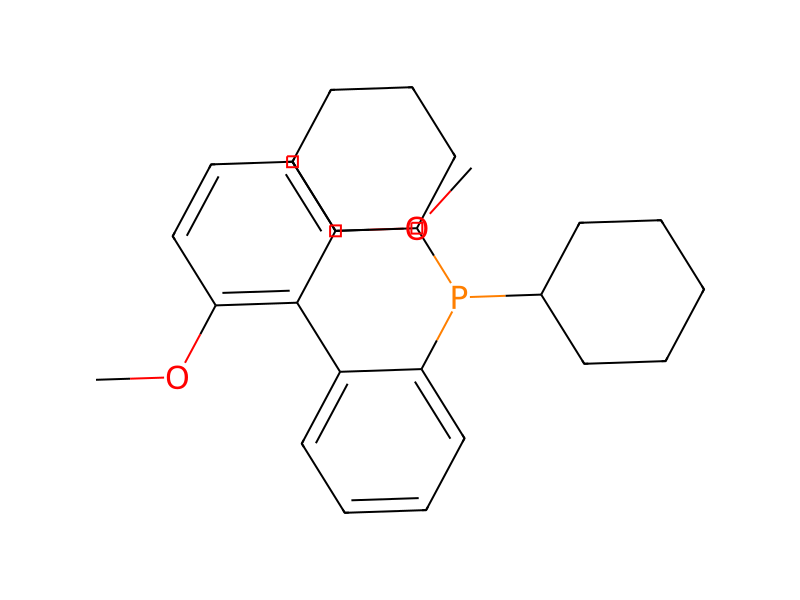
[CH3:1][S:2][C:3]1[CH:8]=[CH:7][CH:6]=[CH:5][C:4]=1B(O)O.[NH2:12][C:13]1[C:14](Br)=[N:15][CH:16]=[CH:17][CH:18]=1.O.P([O-])([O-])([O-])=O.[K+].[K+].[K+].C1(C)C=CC=CC=1>O.C1C=CC(/C=C/C(/C=C/C2C=CC=CC=2)=O)=CC=1.C1C=CC(/C=C/C(/C=C/C2C=CC=CC=2)=O)=CC=1.C1C=CC(/C=C/C(/C=C/C2C=CC=CC=2)=O)=CC=1.[Pd].[Pd].C1(P(C2CCCCC2)C2C=CC=CC=2C2C(OC)=CC=CC=2OC)CCCCC1>[CH3:1][S:2][C:3]1[CH:8]=[CH:7][CH:6]=[CH:5][C:4]=1[C:14]1[C:13]([NH2:12])=[CH:18][CH:17]=[CH:16][N:15]=1The 500 mL round-bottom flask, equipped with magnetic stirrer and reflux condenser was charged with 2-(methylthio)phenylboronic acid (9.48 g, 56 mmol), 3-amino-2-bromopyridine (7.15 g, 57 mmol), 2-dicyclohexylphosphino-2′,6′-dimethoxybiphenyl (S-Phos, 0.92 g, 4 mol %), Pd2(dba)3 (1.02 g, 2 mol %), potassium phosphate hydrate (39 g, 3 equivalents), 100 mL of toluene. The flask was filled with nitrogen and heated to reflux under nitrogen atmosphere for 24 hours. Then the reaction was cooled down to room temperature, diluted with 500 ml of water and extracted with ethyl acetate (5×40 mL). Organic fractions were combined, dried over sodium sulfate, filtered and evaporated. The residue was subjected to column chromatography on silica gel with eluent hexane/ethyl acetate gradient mixture, providing 2-(2-(methylthio)phenyl)pyridin-3-amine as yellow crystals (9.5 g). NMR confirmed the structure.
Wird geladen…