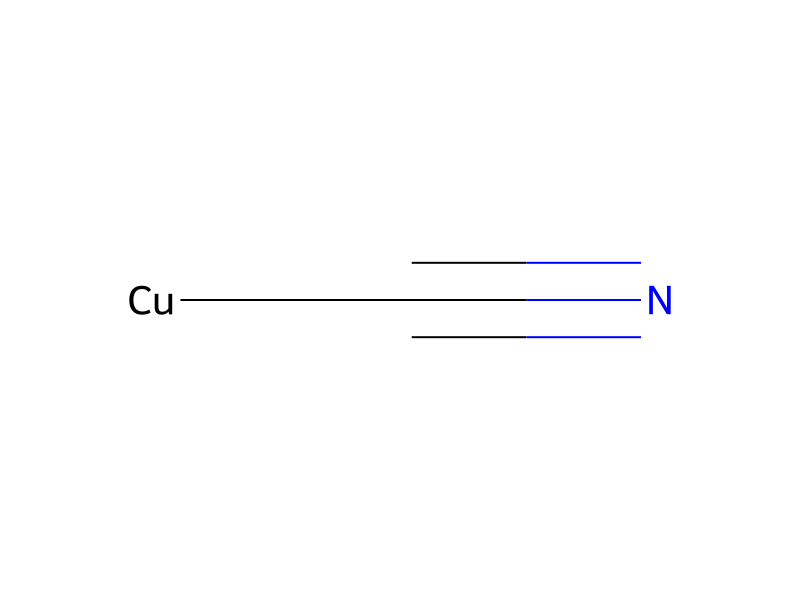
Br[C:2]1[C:3]([C:21]([O:23][CH3:24])=[O:22])=[C:4]([NH:7][C:8](=[O:20])[CH2:9][C:10]2[CH:19]=[CH:18][CH:17]=[C:16]3[C:11]=2[CH:12]=[CH:13][N:14]=[CH:15]3)[S:5][CH:6]=1.[C:25]([Cu])#[N:26].[NH4+].[OH-].C(OCC)C>CN(C=O)C>[C:25]([C:2]1[C:3]([C:21]([O:23][CH3:24])=[O:22])=[C:4]([NH:7][C:8](=[O:20])[CH2:9][C:10]2[CH:19]=[CH:18][CH:17]=[C:16]3[C:11]=2[CH:12]=[CH:13][N:14]=[CH:15]3)[S:5][CH:6]=1)#[N:26]To a stirring mixture of methyl 4-bromo-2-(2-(isoquinolin-5-yl)acetamido)thiophene-3-carboxylate (100 mg) in DMF (0.5 mL) was added CuCN (150 mg). The resulting mixture was heated to 100° C. overnight. The reaction mixture was cooled to room temperature. To this mixture was added a 10% NH4OH solution and ethyl ether. The crude mixture was stirred at rt for 1 h. A normal aqueous workup with ethyl ether was followed. The organic layers were dried over MgSO4, filtered and concentrated under reduce pressure. The crude product mixture was purified by silica gel column chromatography to give methyl 4-cyano-2-(2-(isoquinolin-5-yl)acetamido)thiophene-3-carboxylate. Method[1], MS(ESI) 352.0 [M+H], Retention time=1.343 min.